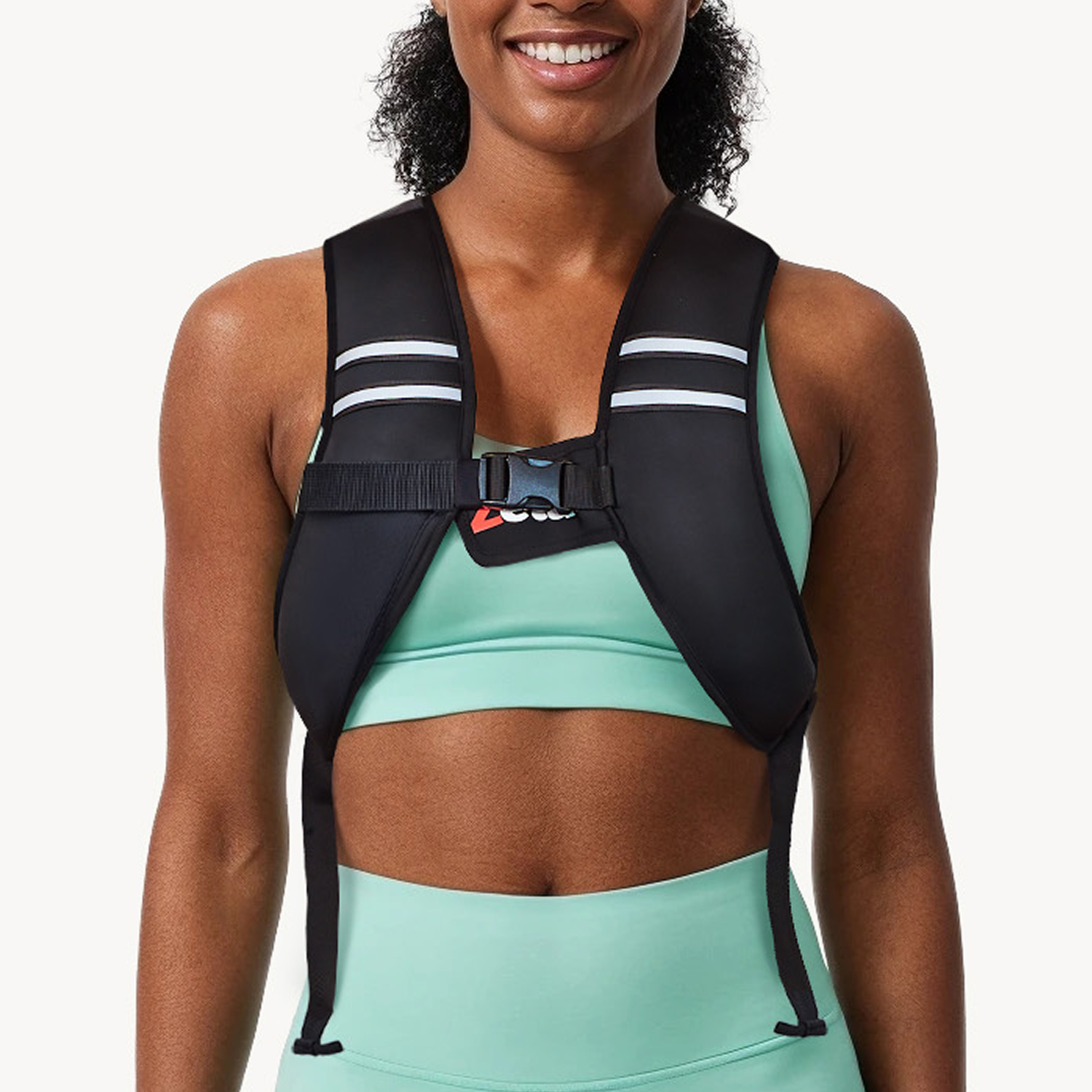
Benefits of Running With a Weight Vest: Pros and Cons Explained
When I first started running with a weight vest, I was curious about whether it would actually make a difference or just make my workouts unnecessarily harder.
Over time, I realized that it completely changed the way I approach running. I could feel my body working harder with every step, and even my regular runs without the vest started to feel easier and more efficient.
I’ll share my personal experience and break down the pros and cons of running with a weight vest so you can decide if it’s right for you.
Benefits of Running With a Weight Vest
Running has always been one of my favourite ways to stay active, but after adding a weight vest to my routine, I noticed a completely different level of challenge and improvement. At first, running with extra weight felt difficult, and even short distances seemed more demanding. However, over time, I realised that a weighted vest could improve endurance, strengthen muscles, and make regular runs feel easier when I trained without it.
Below are some of the biggest benefits I personally experienced from running with a weight vest.
Weighted Vests: Benefits, Sizing, and How to Use One
I Feel My Cardiovascular Endurance Improve Faster
One of the first things I noticed when running with a weighted vest was how much harder my heart and lungs had to work. Even during shorter runs, my breathing became heavier and my heart rate increased more quickly than during normal runs.
Because my body was carrying additional weight, every stride required more effort. After several weeks of training, I found that my stamina improved noticeably. When I removed the vest and returned to regular running, I felt lighter, faster, and less fatigued during longer distances.
I Build More Leg Strength During Runs
Running with a weighted vest places extra demand on the lower body. I could feel my calves, quadriceps, hamstrings, and glutes working harder almost immediately. Hills and inclines became especially challenging, but they also helped strengthen my legs more effectively than standard running.
Over time, I noticed improved power and stability in my stride. My legs felt stronger not only while running but also during other workouts such as hiking, cycling, and strength training.
My Core Has Become Stronger
One unexpected benefit I experienced was improved core engagement. A weighted vest changes how the body balances during movement, so my abdominal muscles and lower back had to work harder to maintain proper posture while running.
If I relaxed my core too much, I could immediately feel my posture collapsing or my running form becoming unstable. Because of this, I naturally became more aware of keeping my torso upright and controlled.
After consistent training, I noticed better balance and overall body control, especially during faster runs and uneven terrain.
Running Without the Vest Feels Easier
One of the most rewarding feelings comes after removing the weighted vest. Normal running suddenly feels much lighter and smoother.
I often compare it to training with resistance and then experiencing a sense of freedom afterward. My pace feels quicker, my movements feel more efficient, and I can usually run longer before getting tired.
I Burn More Calories During Workouts
Because my body has to work harder carrying extra weight, I noticed that weighted vest runs feel more intense even at slower speeds.
The increased workload means more energy is required, which can help burn additional calories compared to regular running alone. On days when I wanted a shorter but more challenging workout, using a weighted vest allowed me to increase intensity without needing to spend extra time running.
Hills and Sprint Training Feel More Effective
I especially enjoy using a weighted vest during hill training or short sprint sessions. The additional resistance makes explosive movements more demanding, which can help improve power and acceleration.
When I train on inclines with a vest, I can feel my glutes and calves working much harder than during flat runs. After removing the vest, uphill running feels noticeably easier and more manageable.
For athletes looking to improve speed, endurance, or conditioning, weighted vest training can add an extra layer of difficulty to traditional running workouts.
I Appreciate That It Adds Resistance Naturally
Unlike holding dumbbells or carrying equipment in my hands, a weighted vest distributes weight across the torso more evenly. This allows me to keep a relatively natural running motion while still increasing resistance.
I also like that weighted vests come in adjustable options, meaning I can gradually increase the load over time instead of jumping into heavy resistance too quickly. Starting light helped me adapt safely and avoid unnecessary strain.
Running with a Weight Vest: Pros and Cons
Running with a weighted vest has become part of my training routine, and I’ve noticed both clear benefits and a few drawbacks that are worth considering.
From my experience, one of the biggest pros is the increased intensity. When I run with a weight vest, my body has to work harder with every step, which makes a normal run feel like a strength-and-cardio combination. I can feel my heart rate rising faster, and over time, this has helped improve my overall endurance. I also like that it strengthens my legs, core, and even my posture, because I naturally engage more muscles to stabilize my body while carrying the extra load. Another advantage is efficiency—I can get a more challenging workout in a shorter amount of time compared to a regular run.
However, I’ve also realized there are some downsides. The added weight puts more stress on my joints, especially my knees and ankles, which means I have to be careful not to overdo it. If I use too much weight or run too frequently with the vest, I start feeling more fatigue and occasional discomfort in my lower back. It also affects my running form if I’m not mindful, making me feel a bit less natural and more rigid compared to running without it. On hot days, I notice I get tired faster because the vest adds extra heat and resistance.
Hiking with a Weighted Vest: Pros and Cons
Does Running with a Weight Vest Help Lose Weight?
From my experience, running with a weighted vest can definitely help me lose weight, but it’s not a magic solution on its own. When I add extra weight to my runs, my body has to work harder with every step, which increases my heart rate and makes me burn more calories compared to a normal run. Over time, this higher energy demand can support fat loss, especially when I combine it with a balanced diet.
I also notice that wearing a weight vest improves my overall workout intensity. Even a short run feels more challenging, which helps me build endurance and strength at the same time. Because I’m working harder in less time, I find it easier to stay consistent, and consistency is really what drives weight loss results for me.
Does Walking With a Weighted Vest Burn More Calories?
Does a Weighted Vest Help Lose Belly Fat?
What Muscles Does a Weighted Vest Work? Full Body Guide
Is Running with a Weighted Vest Bad for Your Knees?
From my experience, the extra weight increases the impact forces each time my foot hits the ground. That means my knees, ankles, and hips absorb more stress than they do during a normal run. If I use too much weight, run too often with the vest, or already have weak stabilizing muscles, I start to feel discomfort or soreness around my knees afterward.
However, I’ve also found that it doesn’t have to be harmful if I use it correctly. When I keep the weight moderate, focus on good running form, and limit vest runs to occasional training sessions instead of every day, my body adapts without issues. Strengthening my legs and core outside of running also helps protect my knees because better muscle support reduces joint strain.
I don’t see a weighted vest as inherently bad for my knees, but I do treat it as a higher-impact training tool. It works best for me when I use it in moderation and pay attention to how my joints feel during and after the run.
Risks of Running with Weighted Vests
- Increased Joint Stress
One of the biggest risks I notice is increased joint stress. The extra weight amplifies impact forces with every step, which can put more pressure on my knees, ankles, hips, and lower back. If I push too hard or use too much weight, I start feeling soreness or irritation in those areas, especially after longer runs or downhill sections.
- Altered Running Form
Another risk is altered running form. When I wear a vest, I sometimes find myself leaning forward more or shortening my stride without realizing it. Over time, this can lead to inefficient movement patterns and increase the chance of overuse injuries. If my form breaks down too much, the workout stops being beneficial and becomes more risky than productive.
- Fatigue
I’ve also noticed that fatigue builds up faster with a vest. Because my body is working harder, I can reach exhaustion sooner than expected, which may increase the chance of mistakes like poor foot placement or loss of balance. In some cases, that could even lead to slips or minor falls, especially on uneven terrain.
- Overtraining
Finally, there’s the risk of overtraining. Since a weighted vest makes running feel more intense, I’ve been tempted to use it too often, thinking more intensity equals faster results. But without proper recovery, that can lead to chronic soreness, reduced performance, and higher injury risk overall.
6 Reasons Your Weighted Vest Might Be Hurting Your Body
Recommended Weight Limits for Weighted Vests for Running
I usually keep my vest at about 5% of my body weight when I’m starting out. This is the most commonly recommended safe entry point because it allows my joints, tendons, and running form to adapt gradually without excessive stress. I weigh 150 lbs, so I treat 7–10 lbs (about 5%–7% of body weight) as a smart starting range for running with a weighted vest.
At around 7 lbs, I notice the vest feels light enough that I can still run with relatively normal form. My stride, breathing, and rhythm don’t change too much, so this weight works well for getting used to the feeling of resistance without overwhelming my joints. When I move closer to 10 lbs, the workout becomes noticeably more intense. I feel my heart rate rise faster, and my legs and core have to work harder to stabilize my body. This weight starts to feel like a real strength-endurance session rather than a normal run.
How Much Weight Should You Put in Your Weighted Vest?
Does Running with a Weight Vest Build Muscle?
Running with a weighted vest can help me build some muscle, but it’s not the same as traditional strength training.
When I run with extra weight, my legs, glutes, and core have to work harder to support and stabilize my body. Over time, I notice improvements in muscular endurance—my muscles don’t fatigue as quickly during regular runs, and I feel stronger in my hips and lower body. My core especially feels more engaged because it has to stabilize the added load with every step.
However, I also realize that the type of muscle building is limited. The resistance from a vest isn’t enough to create significant muscle size gains like I would get from weightlifting. Instead, it mostly improves strength endurance and functional stability rather than hypertrophy. My upper body also doesn’t get much direct muscle growth from running alone, even with the vest.
I’ve found that the best results come when I combine both methods—using the weighted vest for running to improve endurance and lower-body strength, while also doing resistance training if I want real muscle growth. On its own, the vest helps me feel stronger and more resilient, but it doesn’t fully replace traditional strength workouts.
Does Running Build Muscle? If you Wear a Weighted Vest
Does Running with a Weight Vest Make You Faster?
Running with a weighted vest doesn’t make me faster while I’m wearing it—but it can help me become faster over time if I use it correctly.
When I run with extra weight, my body has to work harder to move at the same pace. This improves my cardiovascular fitness, leg strength, and overall endurance. After I take the vest off, normal running feels easier, and I sometimes notice I can hold a faster pace with less effort than before.
However, I’ve also learned that it can backfire if I’m not careful. If I use too much weight or rely on it too often, my running form can change in a way that actually slows me down. I might shorten my stride, land heavier, or become less efficient, which doesn’t help my speed development.
How Far Should You Run with a Weighted Vest?
I don’t treat distance as the main goal when I run with a weighted vest. For me, the safe and effective range is usually short—around 1 to 3 miles max, depending on my fitness level, weight used, and how my body is recovering.
When I’m starting out, I usually keep my weighted vest running for about 1–2 miles (or 10–20 minutes of running). Once I’m more comfortable, I might extend it slightly to around 2–3 miles, but only if I’m using a light vest and running on flat, even surfaces.
Can You Wear a Weighted Vest All Day? Benefits, Risks & Safe Tips
When I Run on a Treadmill with a Weighted Vest
Running on a treadmill with a weighted vest has become something I use occasionally when I want a controlled, high-intensity workout. One of the biggest advantages I notice is that the treadmill gives me a stable, predictable surface, which makes it easier to focus on effort rather than terrain. When I add a vest, even a normal walking or jogging speed feels much more demanding, so my heart rate climbs quickly and I can get a strong cardio workout in a shorter amount of time.
I also like that treadmill running with a vest allows me to control pace precisely. I can adjust speed and incline in small steps, which helps me manage intensity and avoid overdoing it. On incline walks especially, the vest makes my glutes, calves, and core work much harder, and I really feel the conditioning effect without needing to run fast.
However, I’ve also learned there are some drawbacks. The combination of belt movement and extra weight can increase repetitive impact, especially on my knees and lower back if I run too fast or use too much weight. I also notice that fatigue builds up faster than outdoor running, which can sometimes affect my form if I’m not paying attention. If I lean too far forward or hold the handrails, it can reduce the effectiveness of the workout and strain my posture.
Overall, I see treadmill running with a weighted vest as a useful but advanced training method. I use it in moderation, usually at lighter weights and controlled speeds, and I prefer mixing walking inclines with short jogging intervals rather than long continuous runs.
Best Weighted Vest for Running
Learn More:
Zelus Weighted Vest Size Chart for Men and Women
Best Weighted Vest Sizes for Plus-Sized Women
A Simple Guide to Buying Your First Weighted Vest
FAQ
Is running with a weight vest safe?
Running with a weight vest can be safe, but only if I use it carefully and treat it as an advanced training tool rather than a normal running setup.
Is it worth running with a weight vest?
I’d say it is worth it, but only if I treat it as a tool to enhance training, not as a core part of my running routine. For me, the vest is worth it only when I use it as a supplement—like for occasional short runs, incline treadmill walks, or conditioning sessions. It’s not something I use for every workout or long-distance training.
Is running with a weight vest bad for you?
I wouldn’t say running with a weighted vest is bad for me—but I do see it as a higher-risk, higher-intensity training method.
What are alternative exercises to running with a weighted vest to improve bone density?
Strength training is the most powerful option since exercises like squats, deadlifts, lunges, and step-ups place direct load on the bones in my hips, spine, and legs, encouraging them to grow stronger.
I also find brisk walking or incline walking useful because it provides steady weight-bearing stress without the higher impact of running.
Are Weighted Vests Good for Walking? Benefits & Tips
How Weighted Vests Affect Bone Health and Weight Loss
What is the 80% rule in running?
The 80% rule in running, also known as the 80/20 rule or polarized training, means that about 80% of my running should be done at an easy, low-intensity pace, while only 20% should be at moderate to high intensity.
Can I wear a weighted vest if I have osteoporosis?
If you have osteoporosis, you can wear a weighted vest, but only if your condition is mild, your doctor approves it, and you need to use a very light weight with controlled, low-impact activities like walking—not running or jumping.
If you have a high fracture risk, then it’s generally not recommended because the added spinal and joint loading can increase injury risk.
Can You Use a Weighted Vest for Osteoporosis?
Can you wear a weighted vest if you have scoliosis?
If you have scoliosis, you should wear a weighted vest, but only in mild cases and with medical or physiotherapy approval.
Before You Go…
Here are a few handpicked articles to inspire your next self-care moment.