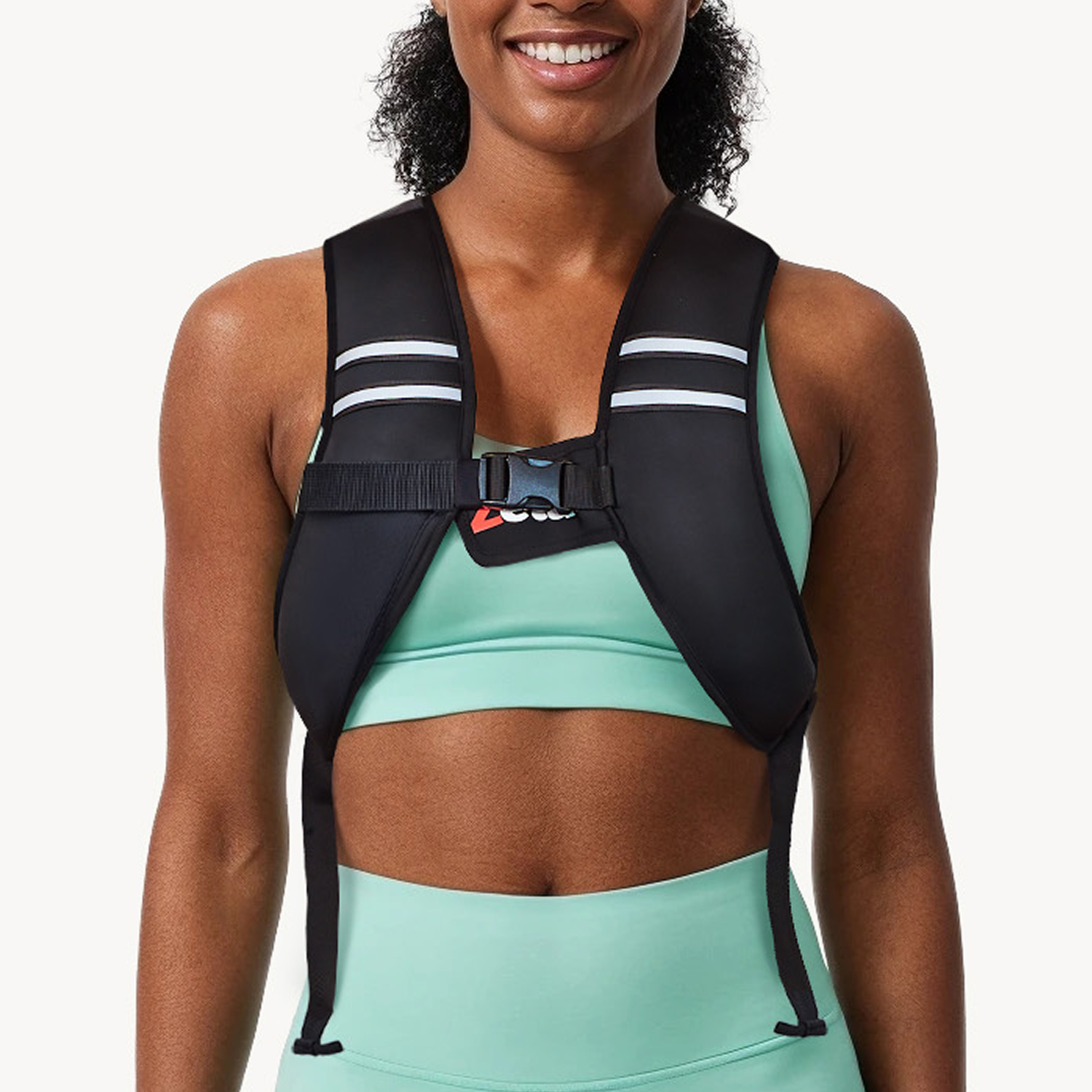
Jogging with a Weighted Vest: Benefits, Tips & Safety Guide
Jogging with a weighted vest is a simple way to make a familiar workout significantly more challenging without changing your route or routine. By adding extra resistance to each step, your body works harder to move forward, increasing both cardiovascular demand and muscular engagement.
However, because the added load increases impact on your joints, it’s important to approach it gradually and with proper form. In this guide, we’ll explore the key benefits of jogging with a weighted vest, how to do it safely, and what to keep in mind before you start.
Benefits of Jogging with a Weighted Vest
Jogging with a weighted vest is a form of resistance cardio training that increases the demand on your cardiovascular system, muscles, and connective tissues. Compared to normal jogging, it intensifies the workout without requiring changes in speed or distance.
Weighted Vests: Benefits, Sizing, and How to Use One
Higher heart rate response
Adding weight forces your heart and lungs to work harder at the same pace. This leads to a faster increase in heart rate and helps improve cardiovascular efficiency and endurance over time.
Better VO₂ max development
Because your body is working under extra load, jogging with a vest can help improve oxygen uptake (VO₂ max) more effectively than standard jogging, especially when done in intervals or moderate sessions.
Higher energy demand
Carrying extra weight increases the energy cost of every step. This means you burn more calories per minute compared to regular jogging at the same speed.
Enhanced fat utilization
Over consistent training, this added demand can encourage the body to rely more on fat as an energy source, especially during longer, steady-paced sessions.
Lower-body strengthening
Your calves, quads, hamstrings, and glutes must generate more force to move your body plus the added load. This improves muscular endurance and strength endurance without traditional weight training.
What Muscles Does a Weighted Vest Work
Core stabilization
The vest also forces your core muscles to work harder to stabilize your torso. Over time, this can improve posture, balance, and running efficiency.
Stronger stride mechanics
Training under resistance helps build a more powerful stride. When the vest is removed, many runners experience a feeling of being lighter and faster, with improved turnover and stride strength.
Better fatigue resistance
Your body adapts to maintaining effort under stress, which can improve endurance during longer runs or races.
Increased loading benefits
The added weight increases mechanical stress on bones, tendons, and ligaments in a controlled way. This can support stronger bone density and more resilient connective tissues when progression is gradual and safe.
Jogging with a weighted vest is an effective way to boost cardiovascular fitness, increase calorie burn, and build strength endurance at the same time. It is especially useful for improving running performance and overall conditioning, but it should be introduced gradually to avoid excessive joint stress.
Safety Tips for Jogging with a Weighted Vest
Jogging with a weighted vest can be highly effective for improving fitness, but it also increases stress on your joints and muscles. Following proper safety guidelines helps reduce injury risk and ensures consistent progress.
- Start with a Light Weight
Begin with a vest that is 5%–10% of your body weight or even less if you are new to resistance training. Starting too heavy is one of the most common causes of knee, hip, and lower back strain.
- Maintain Proper Running Form
Keep your posture upright with a slight forward lean from the ankles, not the waist. Avoid overstriding, as landing too far in front of your body increases joint impact when wearing extra weight.
- Progress Gradually
Increase duration, speed, or vest weight slowly over time. Your body needs time to adapt to the added load, especially your tendons, ligaments, and joints, which strengthen more slowly than muscles.
- Limit Session Length
Keep weighted vest jogging sessions relatively short, especially at the beginning. 20–40 minutes is usually sufficient. Longer sessions can lead to fatigue-related form breakdown and higher injury risk.
Can You Wear a Weighted Vest All Day? Benefits, Risks & Safe Tips
- Choose Proper Footwear
Wear supportive running shoes with good cushioning and stability. Proper footwear helps absorb extra impact forces created by the added weight.
- Avoid Uneven or Hard Surfaces Initially
Start on flat, even surfaces such as tracks or smooth pavement. Avoid trails or uneven terrain until you are fully adapted, as instability combined with added weight increases injury risk.
- Listen to Your Body
Mild muscle fatigue is normal, but sharp pain, joint discomfort, or persistent soreness is a warning sign. Stop or reduce intensity if your body signals excessive strain.
6 Reasons Your Weighted Vest Might Be Hurting Your Body
- Don’t Use It for Every Run
Weighted vest jogging should be a supplement, not a replacement for regular running. Mixing weighted and unweighted sessions helps prevent overuse injuries and supports balanced development.
- Warm Up and Cool Down Properly
Always include a dynamic warm-up before jogging and a light cooldown afterward. This prepares your muscles for added load and supports recovery.
Walking with a Weighted Vest vs Jogging with a Weighted Vest
Both walking and jogging with a weighted vest increase the difficulty of movement by adding external resistance, but they train the body in noticeably different ways. The main differences come from intensity, impact, and how much stress is placed on your cardiovascular system and joints.
Key Differences Between the Them
Walking with a weighted vest is primarily about sustainable endurance, fat loss, and joint-friendly conditioning, while jogging with a weighted vest focuses on higher-intensity cardiovascular training and performance improvement.
Walking allows longer sessions with lower injury risk, making it ideal for consistency and base-building. Jogging delivers faster fitness gains but requires better conditioning, proper form, and more careful recovery management.
Walking with a weighted vest builds a strong, durable aerobic foundation with minimal stress, while jogging with a weighted vest pushes cardiovascular and muscular limits for faster performance gains. Both can be effective, but they serve different training purposes and should be chosen based on your fitness level and goals.
|
Category |
Walking with a Weighted Vest |
Jogging with a Weighted Vest |
|
Intensity |
Low to moderate |
Moderate to high |
|
Impact on joints |
Low impact, joint-friendly |
Higher impact on knees, ankles, hips |
|
Cardiovascular demand |
Steady, moderate heart rate |
Elevated heart rate, more strain on cardio system |
|
Calorie burn rate |
Moderate, but sustained over long duration |
Higher calories burned per minute |
|
Muscle engagement |
Endurance-focused (legs, core, posture) |
Stronger activation of legs, core, and stabilizers |
|
Primary benefit |
Fat loss, aerobic base, recovery training |
Speed endurance, VO₂ max, performance conditioning |
|
Best for |
Beginners, long-duration cardio, recovery days |
Intermediate/advanced fitness, performance training |
|
Session duration |
Can be long (45–120+ minutes) |
Usually shorter (15–45 minutes) |
|
Fatigue level |
Gradual and manageable |
Faster fatigue accumulation |
|
Injury risk |
Low |
Moderate to high (depending on vest weight & form) |
|
Recovery time needed |
Short |
Longer |
|
Training focus |
Endurance, consistency, low stress conditioning |
Power, endurance under load, athletic performance |
Walking with a Weighted Vest
Low-impact endurance training
Walking with a weighted vest is a low-impact, steady-state form of exercise. Because your speed is controlled and your foot strikes are softer compared to jogging, the added weight mainly increases muscular demand rather than joint stress. This makes it a safe and sustainable option for most fitness levels.
Aerobic base and fat loss focus
This type of training is especially effective for building an aerobic foundation. Your heart rate stays in a moderate zone for longer periods, which supports fat oxidation and overall cardiovascular health. It is also commonly used for longer sessions where consistency matters more than intensity.
Strength and posture benefits
The vest forces your core, glutes, and legs to work harder with every step. Over time, this can improve posture, stability, and lower-body endurance without requiring high-speed movement or complex technique.
Jogging with a Weighted Vest
Higher intensity and greater impact
Jogging with a weighted vest significantly increases both cardiovascular demand and joint impact. Each stride involves more force, which raises your heart rate faster and places greater stress on muscles, tendons, and joints compared to walking.
Performance and conditioning gains
This form of training is more suitable for improving speed endurance, VO₂ max, and overall athletic conditioning. It challenges your body to maintain a faster pace under load, which can translate into improved running efficiency and power when the vest is removed.
Faster fatigue and recovery needs
Because the intensity is higher, fatigue builds more quickly. Recovery time is also longer, especially if the vest is heavy or sessions are frequent. This makes jogging with a weighted vest better suited for shorter, structured workouts rather than long-duration cardio.
Running with a Weighted Vest vs. Jogging with a Weighted Vest
The difference between running with a weighted vest and jogging with a weighted vest mainly comes down to intensity, biomechanics, and training impact—even though both use the same equipment.
|
Category |
Running with a Weighted Vest |
Jogging with a Weighted Vest |
|
Intensity |
High to very high |
Low to moderate |
|
Speed |
Faster pace, often performance-driven |
Slower, conversational pace |
|
Impact on joints |
High impact on knees, ankles, hips |
Moderate impact, more controlled |
|
Cardiovascular demand |
Very high (near anaerobic at times) |
Moderate aerobic effort |
|
Calorie burn rate |
Very high per minute |
Moderate to high per minute |
|
Muscle engagement |
Explosive strength + endurance |
Steady muscular endurance |
|
Primary benefit |
Speed, power, VO₂ max, performance gains |
Base endurance, conditioning, fat loss |
|
Best for |
Advanced athletes, sprint endurance, performance training |
General fitness, progression training, longer sessions |
|
Session duration |
Shorter (10–30 minutes typical) |
Longer (20–60+ minutes possible) |
|
Fatigue level |
Rapid fatigue buildup |
Gradual fatigue accumulation |
|
Injury risk |
High if form or weight is not controlled |
Moderate, more forgiving |
|
Recovery time needed |
Longer recovery required |
Shorter recovery needed |
|
Training focus |
Power output, speed endurance, athletic conditioning |
Aerobic conditioning, stamina building |
1. Intensity and Speed
Running with a weighted vest is higher intensity. You’re moving faster, generating more ground impact, and working closer to your anaerobic threshold. This turns the workout into more of a power + speed endurance session.
Jogging with a weighted vest is lower intensity and more aerobic. The pace is steady and conversational, focusing on endurance rather than speed.
2. Impact on Joints and Form
With running, the added weight significantly increases impact forces on your knees, ankles, and hips. It also challenges your running form more aggressively—small inefficiencies get amplified, which can lead to quicker fatigue or breakdown in posture.
With jogging, the impact is still higher than normal jogging, but more controlled. It’s easier to maintain proper posture and stride mechanics over longer periods.
3. Training Effect
Weighted vest running tends to build:
- Explosive strength
- Speed endurance
- VO₂ max improvements
- Sprint resilience and power output
Weighted vest jogging tends to build:
- Aerobic base
- Muscular endurance
- Fat oxidation (calorie burn over time)
- Joint and connective tissue adaptation at lower stress levels
4. Fatigue and Recovery
Running with a vest causes faster fatigue and longer recovery time. It’s more taxing on the nervous system and muscles.
Jogging with a vest is more sustainable, allowing longer sessions and more frequent training with less recovery demand.
5. Risk Level
Running with a weighted vest carries a higher injury risk, especially if the vest is heavy or your running form isn’t solid.
Jogging with a weighted vest is generally safer and more beginner-friendly, especially if you’re gradually building tolerance.
Jogging with a Weighted Vest FAQs
Is jogging with a weighted vest safe?
Jogging with a weighted vest is generally safe if you start light and progress gradually. The main risk comes from adding too much weight too soon, which can overload your knees, ankles, hips, and lower back. Good form and controlled progression are key.
How heavy should a weighted vest be for jogging?
A common recommendation is 5%–10% of your body weight for jogging. Beginners should stay on the lower end, while more experienced users may go slightly higher depending on fitness level and joint tolerance.
How often should I jog with a weighted vest?
Most people benefit from 1–3 sessions per week, depending on fitness level and recovery. It should not replace all regular jogging, but rather be used as a supplementary training tool.
Can beginners jog with a weighted vest?
Yes, but beginners should be cautious. It’s better to start with walking or brisk walking first, then progress to light jogging once your body adapts to the added load.
Does jogging with a weighted vest build muscle?
It helps build muscular endurance and strength in the lower body and core, but it is not a substitute for traditional strength training. It complements resistance training rather than replacing it.
Does it help with weight loss?
Yes. Because it increases energy expenditure, jogging with a weighted vest can support fat loss when combined with a proper diet. It burns more calories than regular jogging at the same pace.
Should I wear a weighted vest for long-distance jogging?
It’s generally not recommended for long-distance runs. Weighted vest jogging is better suited for short to moderate sessions where intensity and conditioning are the focus.
Before You Go…
Here are a few handpicked articles to inspire your next self-care moment.