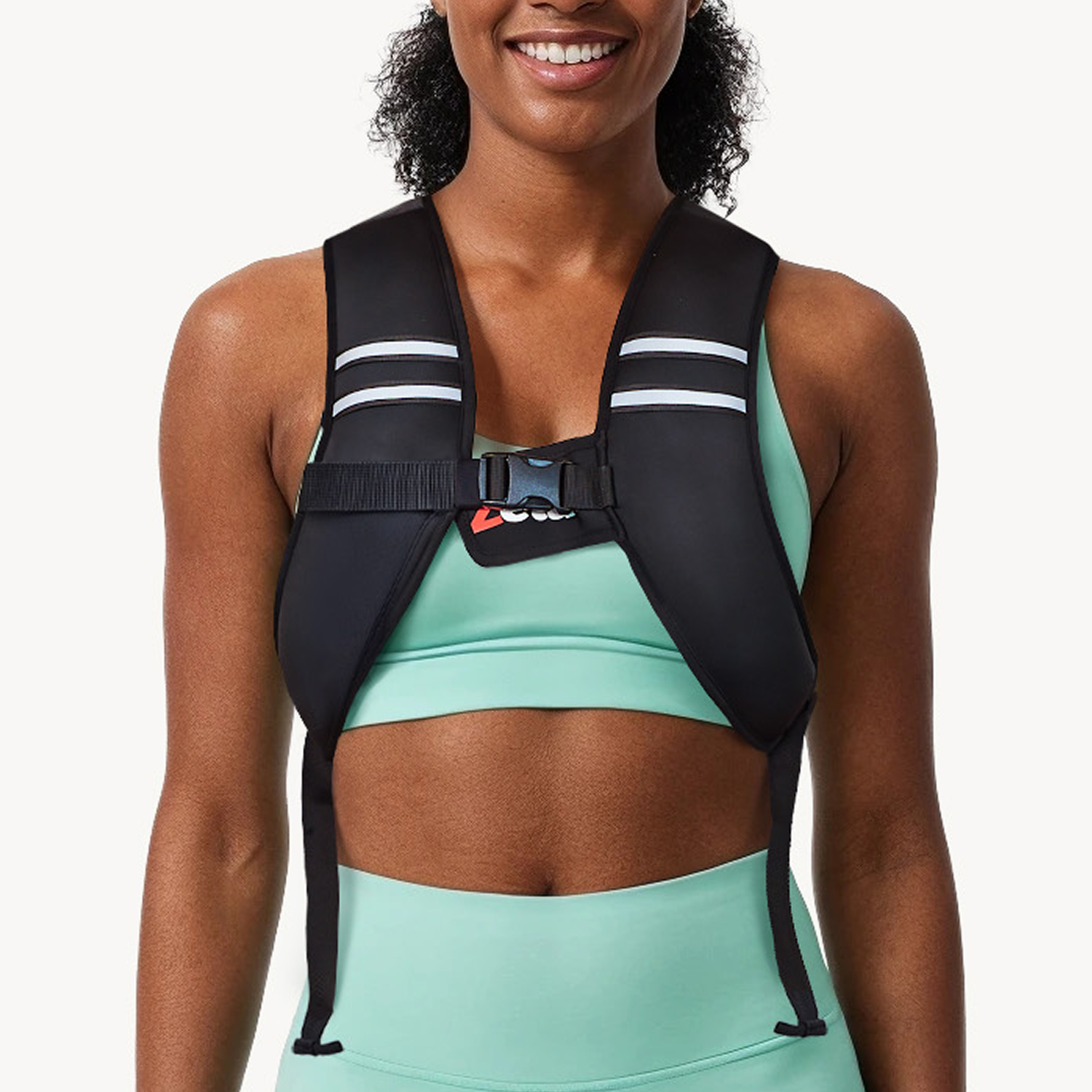
Does Walking With a Weighted Vest Burn More Calories?
Walking is a simple, low-impact form of exercise that benefits cardiovascular health, endurance, and overall fitness. But what if you could double the effectiveness of your daily walk without increasing your speed or distance? In the fitness and outdoor communities, there is a rapidly growing trend known as "Rucking."
Rooted in military rucksack marches, rucking simply means walking with a weighted vest or a loaded backpack. This minor adjustment injects extra resistance into your stride, forcing your muscles and cardiovascular system to work twice as hard.
Does Walking With a Weighted Vest Burn More Calories
Yes, walking with a weighted vest can burn significantly more calories than walking without one—typically around 5–15% more, depending on the weight of the vest, walking pace, and individual fitness level.
The added weight increases the body’s metabolic demand, forcing muscles, joints, and the cardiovascular system to work harder with each step. This extra resistance not only raises your heart rate, helping improve cardiovascular fitness, but also engages key muscle groups in the legs, core, and back more intensely.
Weighted Vest Core Strength: Benefits, Exercises & Workouts Guide
Unlike increasing walking speed or distance, a weighted vest allows you to challenge your body and boost calorie burn without putting additional strain on your joints. Over time, this can lead to improved endurance, muscle tone, and overall energy expenditure, making weighted vest walking an efficient strategy for those looking to maximize the benefits of a standard walk.
How Many More Calories Burned with Weighted Vest
|
Body Weight |
Vest Weight (% of Body Weight) |
Walking Pace |
Calories Burned Without Vest |
Additional Calories Burned With Vest |
Total Estimated Calories Burned |
|
70 kg (154 lb) |
10% (7 kg / 15 lb) |
Moderate (~3.5 mph / 5.6 km/h) |
280 kcal |
28 kcal (+10%) |
308 kcal |
|
70 kg (154 lb) |
15% (10 kg / 22 lb) |
Moderate (~3.5 mph / 5.6 km/h) |
280 kcal |
42 kcal (+15%) |
322 kcal |
Walking with a weighted vest can increase calorie burn by roughly 5–15% compared to walking without one, depending on factors like vest weight, walking pace, and your body weight.
For example, a 70 kg person walking at a moderate pace for an hour typically burns around 280 calories. Adding a 10% to 15% body weight vest (7–10 kg) will add approximately 28 to 42 extra calories per hour.
The added weight forces muscles and the cardiovascular system to work harder, raising heart rate and engaging key muscle groups more intensely. Over time, this makes walks more efficient for boosting endurance, muscle tone, and overall energy expenditure without needing to increase speed or distance.
Pros and Cons of Walking With Weighted Vest
Like any fitness tool, a weighted vest comes with its own set of advantages and risks. Understanding both sides will help you maximize your results while keeping your body injury-free.
Pros & Cons of Walking with a Weighted Vest
⭕ Pros
- Efficient calorie burning
- Strengthens bones and muscles
- Low-impact cardiovascular challenge
- Improves posture and balance
❌ Cons
- Increased joint stress
- Compensation from poor posture
- Discomfort and skin chafing
Pros
Walking with a weighted vest offers several benefits. It increases calorie burn by 5–15%, making your walks more effective for weight management. The added weight also strengthens muscles and bones, particularly in the legs, core, and back, because the body must work harder to maintain balance and posture.
Best Weighted Vests for Posture: Expert Guide & Reviews
It can improve cardiovascular fitness by raising heart rate without requiring faster walking or running. Over time, it may enhance endurance and stamina, as your body adapts to the extra resistance. Weighted vest walking is also low-impact compared to running, making it easier on the joints while still providing a challenging workout.
Cons
However, there are some drawbacks to consider. Adding extra weight can increase strain on joints, especially knees, hips, and ankles, potentially leading to discomfort or injury if used excessively or improperly.
Poorly fitted vests may cause chafing, back pain, or posture issues. Beginners or those with pre-existing joint problems should start with lighter weights and shorter durations to avoid overloading the body.
Over time, wearing a vest that’s too heavy can lead to muscle fatigue or improper walking mechanics, which may counteract some benefits. Proper form, gradual progression, and choosing an appropriate vest weight are essential to maximize benefits while minimizing risks.
Does Walking With a Weighted Vest Burn More Calories Than Running
Not necessarily—walking with a weighted vest does increase calorie burn compared to regular walking, but it usually doesn’t match the calories burned by running at the same duration.
Running naturally requires more energy because it engages more muscles, increases heart rate, and involves impact forces that elevate metabolic demand. For example, a 70 kg person might burn around 280–300 calories walking one hour at a moderate pace with a weighted vest, whereas running the same hour at a moderate pace can burn 500–600 calories or more.
That said, a weighted vest makes walking more efficient and can be a lower-impact alternative for those who want extra calorie burn without the joint stress of running. Over time, consistent weighted-vest walking can contribute to fitness, endurance, and strength, even if the calorie burn per hour is less than running.
Benefits of Running With a Weight Vest: Pros and Cons Explained
Here’s a clear comparison of estimated calories burned for a 70 kg (154 lb) person over 1 hour:
|
Activity |
Pace / Intensity |
Estimated Calories Burned |
|
Walking (no vest) |
Moderate (~3.5 mph / 5.6 km/h) |
280 kcal |
|
Walking with weighted vest (~10% body weight) |
Moderate (~3.5 mph / 5.6 km/h) |
300–320 kcal |
|
Running |
Moderate (~6 mph / 9.7 km/h) |
500–600 kcal |
Safety First: Is Rucking Right for You?
While walking with a weighted vest is a fantastic way to upgrade your fitness routine, it isn’t a one-size-fits-all exercise. Because it adds significant vertical load to your spine and joints, it’s important to know whether you should dive right in or approach with caution.
Here is a breakdown of who will benefit the most, and who needs to be careful.
🟢 Ideal Candidates: Who Should Do It?
If you fall into any of the following categories, a weighted vest might just be the secret weapon your routine has been missing:
- Plateaued Weight-Loss Seekers: If your weight loss has stalled but you don't have the time to walk further or the desire to walk faster, rucking allows you to burn more calories in the exact same time frame.
- Running Deterrents: If you want to boost your cardiovascular fitness but hate running—or find that the heavy pounding hurts your knees—weighted walking offers an excellent, low-impact alternative.
- The "Desk Job" Population: If you sit at a computer all day, your back and core muscles tend to switch off. Walking with a light weighted vest is a brilliant way to reactivate a lazy core and strengthen your posterior chain (back and glutes).
⚠️ Proceed with Care: Who Should Be Cautious?
Essential Safety Note: If you fall into any of the categories below, do not jump into heavy weights. Start with the absolute lightest setting (5% of your body weight or less) and limit your first few sessions to 10–15 minutes. If you feel any sharp pain in your joints or spine, stop immediately.
- Absolute Fitness Beginners: If you are new to working out, your muscles and ligaments need time to adapt. Build a baseline of stamina and master proper walking posture through regular, unweighted walks before adding extra resistance.
- Anyone with Joint Injuries or Arthritis: If you suffer from osteoarthritis, synovitis, or have old, unhealed injuries in your hips, knees, or ankles, the extra weight can exacerbate joint wear and tear.
- People with Neck, Back, or Spinal Issues: For individuals dealing with scoliosis, herniated discs, or chronic lower back pain, the downward gravitational force of a vest directly compresses the spinal discs, which can easily trigger or worsen pain.
- Those with Severe Osteoporosis: While weight-bearing exercise is generally good for bone density, a vest that is too heavy significantly increases the structural load on fragile bones. Furthermore, it shifts your center of gravity, increasing the risk of falls and potential fractures.
- Cardiovascular & Heart Patients: Adding weight causes your heart rate and blood pressure to spike much faster than standard walking. If you have a history of heart disease or hypertension, always secure medical clearance from your doctor before trying it.
Buyer’s Guide: How to Choose and Use Your Weighted Vest
Once you decide to give rucking a try, the next question is inevitably: "What kind of vest should I buy, and how should it fit?"
Choosing the wrong vest can lead to injury, while a good one will feel like an extension of your own body. Here is exactly what to look for.
A Simple Guide to Buying Your First Weighted Vest
1. Choose an Adjustable Weight Vest (Crucial for Beginners)
When shopping, you will see two types of vests: fixed-weight and adjustable. Always choose an adjustable vest.
- Why it matters: An adjustable vest comes with pockets loaded with removable weight blocks, steel plates, or sandbags.
- The benefit: This allows you to start incredibly light (e.g., just 4–5 lbs) and gradually add weight in small increments as your body adapts. Buying a fixed 20-lb vest when you are a beginner is a fast track to muscle strain.
2. Prioritize a Snug, Ergonomic Fit
A weighted vest should not hang like a loose coat; it needs to be securely anchored to your torso.
- Look for secure fastening systems: Vests with wide, adjustable Velcro straps, tactical buckles, or dual side straps are ideal.
- The "No-Bounce" Rule: Put the vest on and take a few mock strides or gently jump in place. The vest should move with your torso. If it sways, shifts, or bounces against your chest and back, it will cause painful skin chafing and disrupt your natural walking mechanics, putting uneven pressure on your lower back.
3. Opt for Breathable and Durable Materials
Walking with extra weight will make you sweat significantly more than usual.
- Fabrics: Look for heavy-duty, tear-resistant materials like Cordura or high-density nylon on the outside, paired with a breathable mesh lining on the inside to help dissipate heat.
- Padding: Ensure the shoulder straps are wide and generously padded. Narrow, unpadded straps will dig into your trapezius muscles and collarbones, cutting off circulation and causing neck pain.
4. How to Properly Put on Your Vest
To protect your spine, follow this quick checklist every time you gear up:
- Distribute the weight evenly: Ensure you have an equal amount of weight in the front pockets and back pockets. An unbalanced vest will pull you too far forward or backward, straining your spine.
- Cinched at the waist: Fasten the straps tightly around your midsection. The weight should be supported mostly by your shoulders and upper torso, not sagging down toward your hips.
- Check your posture: Before you take your first step, roll your shoulders back, engage your core, and look straight ahead. If the vest forces you to slouch, it is too heavy—remove some weight before you head out!
Conclusion
Walking with a weighted vest is an easy and effective way to increase calorie burn and enhance the benefits of a regular walk. By adding extra resistance, it challenges muscles, raises heart rate, and promotes greater energy expenditure, contributing to weight management and improved fitness over time. While it may not replace higher-intensity exercises like running, weighted vest walking offers a low-impact, adaptable option for boosting overall calorie burn and strengthening the body, making it a valuable addition to any fitness routine.
FAQ
Does walking with a weighted vest help lose belly fat?
Walking with a weighted vest can help reduce overall body fat, including belly fat, but it doesn’t target belly fat specifically. Spot reduction—losing fat from just one area—is largely a myth; fat loss occurs systemically, meaning your body burns fat from multiple areas depending on genetics, diet, and overall activity.
Does walking with a weighted vest help weight loss?
Yes, walking with a weighted vest can support weight loss by increasing the number of calories burned during your walks. The added weight forces your muscles and cardiovascular system to work harder, raising your heart rate and boosting overall energy expenditure.
While the extra calorie burn per hour might be modest—typically 5–15% more than regular walking—over time, consistent walks with a weighted vest can contribute to a calorie deficit, which is essential for weight loss.
How long should you walk in a weighted vest?
For walking with a weighted vest, beginners should start with 10–20 minutes per session, 2–3 times per week, using a light vest (around 5–10% of body weight) to allow the body to adjust. As fitness improves, sessions can be gradually increased to 30–45 minutes with a moderate vest, and advanced users may walk up to 60 minutes or more with heavier weights (10–15% of body weight), depending on comfort and joint health.
What is the 3-3-3 rule for walking?
The 3-3-3 rule for walking is a simple guideline to help beginners or anyone starting a new routine exercise safely. It involves 3 minutes of warming up at a slow pace, followed by 3 minutes of brisk walking to raise your heart rate and engage muscles, and finishing with 3 minutes of cooling down at a slower pace to allow your heart rate to return to normal and reduce stiffness.
How many pounds should my weighted vest be if I weigh 200 pounds?
For a person weighing 200 pounds, a weighted vest should generally start at 5–10% of body weight, or 10–20 pounds, to allow the body to adjust safely. As strength and endurance improve, the vest can gradually be increased to 10–15% of body weight (20–30 pounds), and advanced users may go slightly higher, around 30 pounds or more, though heavier weights increase the risk of joint strain. The key is to progress gradually, maintain good posture, and stop if you feel pain or discomfort, ensuring the vest enhances calorie burn, strength, and endurance without causing injury.
Before You Go…
Here are a few handpicked articles to inspire your next self-care moment.