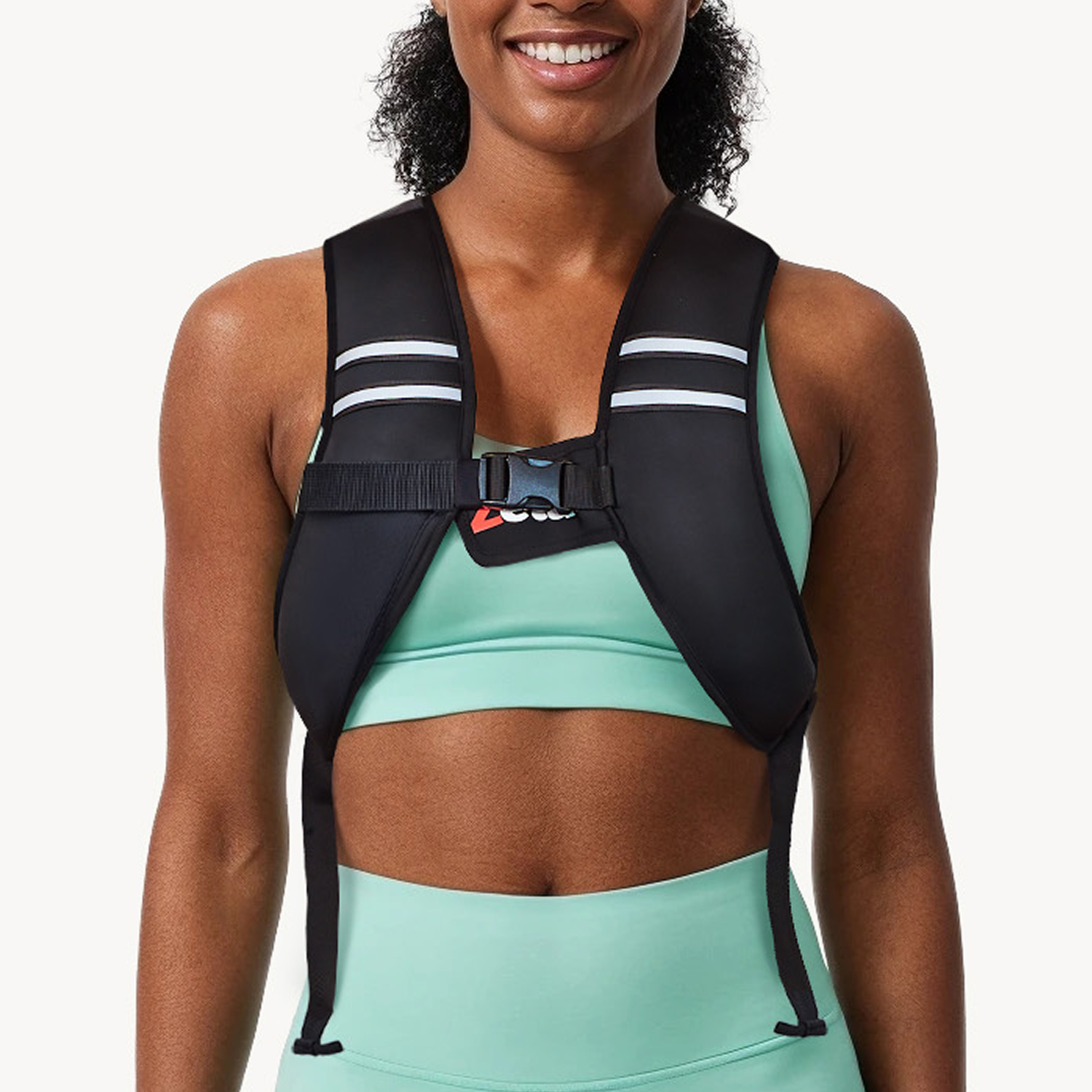
4 Best Weighted Vest for Rucking in 2026: Zelus Top Picks
Miles into a tough ruck, the last thing you need is a weighted vest that shifts, chafes your skin, or suffocates your chest. Standard vests treat your body like a coat hanger, turning a great workout into a painful battle with your gear.
To build real strength and endurance, you need a vest that distributes weight flawlessly and fits your specific anatomy. Whether you are looking for a heavy-duty iron block trainer or a flexible, pressure-free fit, here are the absolute best rucking weighted vests to upgrade your miles.
4 Best Weighted Vest for Rucking: Buyer's Guide & Top Recommendations
|
GENDER |
Women |
Women |
Men |
Men |
|
PRODUCT |
||||
|
IMAGE |
 |
 |
 |
 |
|
MODEL |
Classic + U-Shape |
Z-Fit™ Flex |
Heavy Training |
Classic + Y-Heavy |
|
SERIES |
Classic |
Z-Fit™ |
Performance |
Classic |
|
RECOMMENDED SPORTS |
Walking · Rucking · Yoga |
Walking · Rucking · Yoga · Daily |
CrossFit · Rucking · Strength |
Rucking · HIIT · Strength |
|
WORKOUT INTENSITY |
💪💪💪 |
💪💪💪 |
💪💪💪💪💪 |
💪💪💪💪💪 |
|
COMFORT |
★★★★☆ |
★★★★★ |
★★★☆☆ |
★★☆☆☆ |
|
SHAPE |
U-Shape |
Flex / Body-fit |
Y-Shape |
Y-Shape |
|
WEIGHT TYPE |
Adjustable |
Adjustable |
Adjustable |
Adjustable |
|
WEIGHT RANGE |
4 – 32 lb |
10 / 15 lb |
23 / 36 / 45 lb |
20 / 30 / 60 lb |
|
FILL MATERIAL |
Iron Sand |
Z-Fit™ Silicone-Iron |
Solid Iron Block |
Iron Sand (removable) |
|
BUILD MATERIAL |
Breathable Fabric |
Soft Silicone Skin |
900D Oxford Fabric + Foam |
600D Oxford Fabric + Foam |
|
NOISE LEVEL |
Low |
Zero |
Low |
Low |
|
COLORS |
1 (Black) |
1 (Black) |
1 (Black) |
1 (Black) |
|
REFLECTIVE STRIPS |
Yes |
Yes |
Yes |
Yes |
|
Cleaning Choice |
Wipe |
Machine wash |
Machine wash |
Machine wash |
|
POCKETS / STORAGE |
Yes |
Yes |
No |
No |
Best Zelus Women’s Weighted Vest for Rucking
When it comes to rucking for women, traditional weighted vests often fall short. Standard unisex vests are typically designed for wider, flatter chests, leading to painful pressure, shifting weights, and restricted breathing.
Zelus addresses these specific physiological pain points with the Classic+ (U-Shape) and the Z-Fit™ Flex. Both are specifically tailored to fit the female anatomy comfortably.
|
PRODUCT |
||
|
IMAGE |
|
|
|
MODEL |
Classic + U-Shape |
Z-Fit™ Flex |
|
SERIES |
Classic |
Z-Fit™ |
|
RECOMMENDED SPORTS |
Walking · Rucking · Yoga |
Walking · Rucking · Yoga · Daily |
|
WORKOUT INTENSITY |
💪💪💪 |
💪💪💪 |
|
COMFORT |
★★★★☆ |
★★★★★ |
|
SHAPE |
U-Shape |
Flex / Body-fit |
|
WEIGHT TYPE |
Adjustable |
Adjustable |
|
WEIGHT RANGE |
4 – 32 lb |
10 / 15 lb |
|
FILL MATERIAL |
Iron Sand |
Z-Fit™ Silicone-Iron |
|
BUILD MATERIAL |
Breathable Fabric |
Soft Silicone Skin |
|
NOISE LEVEL |
Low |
Zero |
|
COLORS |
1 (Black) |
1 (Black) |
|
REFLECTIVE STRIPS |
Yes |
Yes |
|
Cleaning Choice |
Wipe |
Machine wash |
|
POCKETS / STORAGE |
Yes |
Yes |
1. Zelus Classic+ (U-Shape)

Women's U-Shape Weighted Vest (FWV-VB)
Designed specifically for women, the FWV-VB weighted vest features a comfortable U-shape ergonomic cut that reduces chest pressure while allowing unrestricted breathing during walks, rucks, yoga sessions, and daily workouts. Its breathable fabric and adjustable fit provide all-day comfort, while reflective safety strips improve visibility during early morning or evening training.
- ✓ Women's U-Shape ergonomic design
- ✓ Adjustable fit for enhanced comfort
- ✓ Available from 4–32 lb resistance
- ✓ Filled with premium iron sand
- ✓ Breathable, sweat-friendly fabric
- ✓ Reflective safety stripe for low-light visibility
- ✓ Ideal for walking, rucking, yoga, and daily fitness
- ✓ Easy wipe-clean maintenance
If you have tried standard vests, you know the dread of a chest strap that squashes your lungs, making it hard to breathe during a steep uphill ruck. The Classic+ solves this while offering room to grow.
- Pressure-Free U-Shape Design: The cut of this vest curves open around the chest area rather than crushing straight across it. This allows for unrestricted deep breathing and eliminates painful pressure points on the bust.
- A Massive 32 lb Weight Range: Many women’s fitness vests stop at 10 or 15 lbs. If you want to build bone density and serious rucking stamina, you need progressive overload. The Classic+ scales all the way from 4 to 32 lbs using adjustable iron sand packets, meaning you won’t outgrow your gear as you get stronger.
- Built-in Storage for Essentials: Rucking usually means hitting the trails or neighborhood. The integrated pockets give you a secure place to stash your phone, keys, or energy gels without needing an extra waist pack.
Best For: Ruckers who want to seriously challenge themselves with heavier weight over longer distances, without sacrificing chest comfort or breathing room.
2. Zelus Z-Fit™ Flex
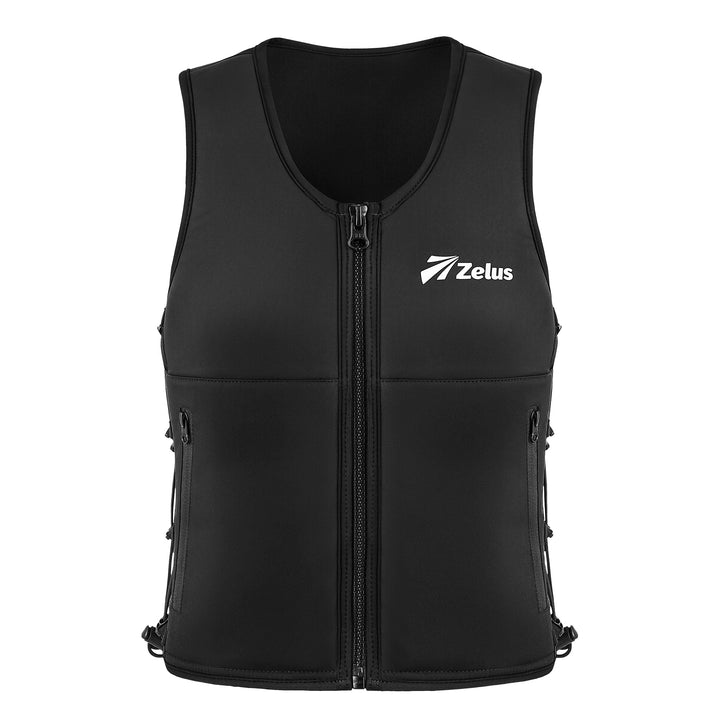
Women's Z-Fit™ Flex Weighted Vest (FWV-SQ)
The Z-Fit™ Flex vest combines ergonomic comfort with advanced weight technology. Its body-fit design molds to your torso for zero movement during walks, rucks, yoga, or daily workouts. Soft silicone skin ensures minimal friction while the adjustable fit allows progressive loading from 10 to 15 lbs. Reflective safety stripes and washable materials make it perfect for daily active use.
- ✓ Z-Fit™ Flex / body-fit ergonomic design
- ✓ Adjustable weight: 10 / 15 lb
- ✓ Z-Fit™ Silicone-Iron composite for comfort & durability
- ✓ Soft silicone skin reduces friction and chafing
- ✓ Ideal for walking, rucking, yoga, and everyday fitness
- ✓ Reflective safety stripe for low-light visibility
- ✓ Zero bounce during movement
- ✓ Machine washable for easy maintenance
If your biggest complaints about weighted vests are that they feel like bulky body armor, chafe your skin, and absorb sweat until they stink, the Z-Fit™ Flex is a total game-changer.
- Second-Skin "Flex" Fit: Instead of rigid fabric and bulky sandbags, this vest uses a revolutionary, flexible body-fit design. It contours perfectly to your natural curves, meaning zero bouncing, shifting, or friction against your skin, even if you wear it over just a sports bra.
- Ultra-Comfortable Silicone Skin: Rated at a perfect $\star\star\star\star\star$ for comfort, the soft silicone skin eliminates the rough fabric edges that cause chafing during long, sweaty rucks.
- Zero Noise & Maximum Hygiene: The proprietary Z-Fit™ Silicone-Iron fill means zero noise—no shifting sand or clicking metal. Even better? Unlike traditional vests that trap sweat and odor, this model is fully machine washable, making it incredibly easy to keep fresh.
Best For: Ruckers looking for a lightweight, ultra-comfortable, and sleek vest (10–15 lbs) that feels like an extension of their clothing and is completely hassle-free to clean.
Which should you choose?
|
The Pain You Want to Avoid |
The Solution |
Recommended Model |
|
"Vests crush my chest, and I want to lift heavier than 15 lbs." |
U-Shape bust clearance with an adjustable weight capacity up to 32 lbs. |
Classic + (U-Shape) |
|
"Vests chafe my skin, bounce around, and get incredibly smelly." |
Flexible silicone body-fit that molds to your shape, zero-noise fill, and machine-washable fabric. |
Z-Fit™ Flex |
Best Zelus Men’s Weighted Vest for Rucking
When it comes to rucking, standard weights can be a nightmare. Shifting loads, digging straps, and bulky designs can completely ruin your stride and cause unwanted back strain.
Zelus addresses these exact pain points with two heavy-duty contenders: the FWV-HT (Heavy Training) and the FWV-AB (Classic + / Y-Heavy). Both feature a Y-shape design to keep your chest free and weight properly distributed over your shoulders, but they solve different rucking challenges.
|
PRODUCT |
||
|
IMAGE |
|
|
|
MODEL |
Heavy Training |
Classic + Y-Heavy |
|
SERIES |
Performance |
Classic |
|
RECOMMENDED SPORTS |
CrossFit · Rucking · Strength |
Rucking · HIIT · Strength |
|
WORKOUT INTENSITY |
💪💪💪💪💪 |
💪💪💪💪💪 |
|
COMFORT |
★★★☆☆ |
★★☆☆☆ |
|
SHAPE |
Y-Shape |
Y-Shape |
|
WEIGHT TYPE |
Adjustable |
Adjustable |
|
WEIGHT RANGE |
23 / 36 / 45 lb |
20 / 30 / 60 lb |
|
FILL MATERIAL |
Solid Iron Block |
Iron Sand (removable) |
|
BUILD MATERIAL |
900D Oxford Fabric + Foam |
600D Oxford Fabric + Foam |
|
NOISE LEVEL |
Low |
Low |
|
COLORS |
1 (Black) |
1 (Black) |
|
REFLECTIVE STRIPS |
Yes |
Yes |
|
Cleaning Choice |
Machine wash |
Machine wash |
|
POCKETS / STORAGE |
No |
No |
1. Zelus FWV-HT (Heavy Training)

Men's Heavy Training Weighted Vest (FWV-HT)
Designed for athletes who want maximum resistance, the FWV-HT Heavy Training Vest delivers exceptional stability during rucking, CrossFit, strength training, and conditioning workouts. Its Y-shape design allows unrestricted arm movement while keeping the weight close to your torso for improved balance and posture. Built with durable 900D Oxford fabric and reinforced foam padding, this vest is engineered to withstand demanding training sessions and heavy loads.
- ✓ Performance-focused Y-shape design for unrestricted movement
- ✓ Available in 23 lb, 36 lb, and 45 lb configurations
- ✓ Solid iron block weights for maximum stability
- ✓ Adjustable fit for secure weight distribution
- ✓ Heavy-duty 900D Oxford fabric construction
- ✓ Thick foam shoulder padding for enhanced comfort
- ✓ Ideal for CrossFit, rucking, strength training, and conditioning
- ✓ Reflective safety elements for outdoor workouts
- ✓ Machine washable vest shell for easy maintenance
The FWV-HT uses solid iron block weights that stay firmly in place, eliminating the shifting commonly found in sand-filled vests. This keeps the load high and tight against your upper torso, reducing unnecessary movement and helping maintain proper posture during long-distance rucks. The low-profile design minimizes bouncing, while the durable construction handles rugged outdoor conditions with ease.
If you’ve ever rucked with a vest that bounces around or feels like a stiff cardboard box, the FWV-HT is your solution. Built for the highest intensity, it tackles the "sloppy load" problem perfectly.
- No-Shift Solid Iron Blocks: Instead of shifting sandbags, this vest uses solid iron blocks. They lock tight into the vest, meaning zero shifting or sagging when you are miles into a ruck or picking up the pace.
- Upgraded Comfort & Resilience: Rucking heavy usually means raw, chafed shoulders. The FWV-HT uses heavy-duty 900D Oxford Fabric paired with thick foam padding. It earns a higher comfort rating ($\star\star\star\star\star$ vs $\star\star\star\star\star$) because the premium fabric and foam mold better to your body under extreme loads.
- Streamlined for Agility: The Y-shape combined with the slim profile of solid iron means your arms can swing naturally, and you won’t feel like you're wearing a bulky armor suit.
Best For: Ruckers who want a premium, high-density, no-compromise vest that stays completely stable and offers maximum comfort during grueling, long-distance rucks.
2. Zelus FWV-AB (Classic + / Y-Heavy)

Men's Classic+ Y-Heavy Weighted Vest (FWV-AB)
The Classic+ Y-Heavy vest is designed for men seeking a versatile training tool for rucking, HIIT, and strength workouts. Its Y-shape ergonomic design distributes weight evenly across the torso while allowing natural arm movement. Removable iron sand weights let you adjust resistance from 20 to 60 lbs, making it suitable for both intermediate and advanced training sessions. The durable 600D Oxford fabric and foam padding ensures comfort and long-lasting performance.
- ✓ Y-Shape ergonomic design for unrestricted movement
- ✓ Adjustable weight: 20 / 30 / 60 lb with removable iron sand
- ✓ Classic+ style for stability during rucks and HIIT
- ✓ 600D Oxford fabric with foam padding for durability
- ✓ Ideal for rucking, HIIT, and strength training
- ✓ Low-profile fit reduces bounce and friction
- ✓ Reflective safety stripes included
- ✓ Machine washable vest shell for easy maintenance
To maximize stability and minimize fatigue, keep the heaviest weights high and tight against the upper torso. The Y-Heavy design keeps the vest snug during long-distance rucks while maintaining proper posture and reducing lower-back strain.
If your biggest frustration is outgrowing your weighted vest too quickly—or finding a vest that actually holds enough weight for serious strength gains—the FWV-AB is built for you.
- Massive 60 lb Ceiling: Many rucking vests max out at 30 or 45 lbs. The FWV-AB offers a massive 60 lb weight range option. You won't have to buy a new vest when you get stronger; this vest grows with your progression.
- Granular Weight Adjustability: Using removable iron sandbags, you can customize the weight to the exact pound you need for that day's training. It’s perfect for progressive overload.
- Rugged, Budget-Friendly Durability: Built with 600D Oxford Fabric, it is incredibly tough and handles dirt, sweat, and concrete ground drops without breaking a sweat, offering high-tier weight capacity at a highly practical value.
Best For: Ruckers and strength athletes who need a massive weight ceiling (up to 60 lbs) to constantly push their limits without buying multiple pieces of gear.
Which should you choose?
|
The Pain You Want to Avoid |
The Solution |
Recommended Model |
|
"The vest is chafing my shoulders and shifting around." |
Premium 900D fabric, higher comfort padding, and solid iron blocks that stay perfectly still. |
FWV-HT (Heavy Training) |
|
"I'm getting stronger and 40 lbs isn't enough anymore." |
Heavy-duty capacity scaling all the way up to 60 lbs with granular iron sand adjustments. |
FWV-AB (Classic+ / Y-Heavy) |
Buyer’s Guide: Choosing the Right Weighted Vest for Rucking
Choosing the right weighted vest for rucking comes down to minimizing friction and maximizing stability. Because rucking involves continuous, repetitive impact over long distances, a bad fit will quickly lead to chafing or back pain.
1. Weight Capacity & Fill Type (The Stability Factor)
Rucking requires a load that stays perfectly still.
- Solid Iron Blocks: Best for heavy training. They are slim, low-profile, and offer zero shift, keeping the center of gravity tight against your spine.
- Iron Sand/Silicone: Better for form-fitting comfort and granular adjustability. Look for tightly packed, segmented compartments to prevent the sand from pooling at the bottom of the vest.
- The 10% Rule: As a baseline, choose a vest that allows you to start at 10% of your body weight but has a high enough ceiling (e.g., up to 30 or 60 lbs) so you can progressively overload as you get stronger.
2. Shape and Cut (The Anatomy Factor)
A vest that restricts your breathing or rubs against your arms will ruin a ruck within the first mile.
- Y-Shape / X-Shape: Ideal for men or high-intensity training. These open up the chest and shoulders, allowing your arms to swing naturally without friction.
- U-Shape / Flex-Fit: Crucial for women. Look for a cut out around the bust to eliminate painful pressure points and allow for unrestricted, deep diaphragmatic breathing.
3. Durability & Material (The Friction Factor)
Sweat, dirt, and heavy weights will quickly destroy cheap materials.
- Fabric Density: Look for heavy-duty Oxford fabric (600D to 900D) or durable silicone. This prevents the weights from wearing holes through the material.
- Padding: Ensure the shoulder straps feature thick, high-density foam padding. Thin straps will act like wire saws under a 30 lb load.
4. Maintenance and Safety (The Practicality Factor)
- Washability: You will sweat through your vest. Choose a model that is machine-washable or easily wiped down (like silicone) so it doesn't harbor odor.
- Visibility: Since rucking often happens at dawn or dusk, built-in reflective strips are a non-negotiable safety feature.
Checklist
Ask yourself: Does it shift when I move? Does it crush my chest? Can I clean it easily? If a vest keeps the weight stable, leaves your chest free to breathe, and offers room to grow heavier, it's the right choice for your ruck.
Rucking Weighted Vest: Best Practices & Safety Tips
Rucking is more than just walking with weight—it’s a full-body endurance exercise. Done incorrectly, it can lead to joint strain, muscle soreness, or even injury. Here’s how to maximize your ruck safely while getting the most out of your weighted vest.
1. How to Load It Properly
Keep the weight high and tight against your upper torso.
- Avoid letting the weight sag toward the lower back or lumbar region, as this shifts stress to your spine and can cause lower-back pain.
- Ideally, the heaviest plates or sandbags should sit between the upper chest and shoulder blades, close to your body’s natural center of gravity.
- Make small adjustments to ensure the vest fits snugly: it shouldn’t bounce or sway with each step.
Tips:
Start lighter than you think—5–10% of your body weight is perfect for beginners.
Gradually increase the weight in small increments to allow your muscles, joints, and tendons to adapt.
2. Maintaining the Proper Stride
Rucking isn’t sprinting; it’s steady, controlled movement. Your walking form matters:
- Chest up, shoulders back, head high: Maintain an upright posture to reduce strain on your lower back.
- Short, controlled steps: Avoid over-striding (taking unnaturally long steps), which can lead to knee and hip pain over time.
- Natural arm swing: Keep arms relaxed and swinging in coordination with your stride. This helps balance the load and prevents shoulder or upper-back fatigue.
- Engage your core: Lightly tightening your core muscles stabilizes the spine and helps you carry heavier loads more safely.
Tip: Practice walking without weight first, then add your vest once your posture feels natural.
3. Hydration & Long-Distance Safety
Rucking is physically demanding, and dehydration can happen faster than you think. Proper hydration and planning are key:
- Integrated storage vests: Many modern weighted vests come with small pockets for water bottles, snacks, or essentials.
- Hydration packs: For longer rucks, pairing your vest with a hydration belt or backpack ensures you can drink regularly without stopping.
- Rest and recovery: Schedule short breaks on long rucks to remove your vest, stretch, and rehydrate.
- Safety gear: Reflective strips, lights, or bright colors improve visibility if you ruck in low-light conditions.
Conclusion
Your gear shouldn't be an obstacle. The right weighted vest protects your posture, eliminates painful chafing, and gives you room to progressively get stronger without outgrowing your equipment.
Ditch the shifting sand and suffocating straps. Pick the vest that fits your training goals, lace up your boots, and hit the trail.
FAQs
How heavy should a weighted vest be for rucking?
For most beginners, a safe and effective starting point is 10% of your total body weight. This initial load allows your muscles, connective tissues, and joints to adapt to the added stress without compromising your walking posture.
As your stamina and core strength improve, you can progressively increase the weight by 2% to 5% increments, generally aiming for a target training load of 15% to 20% of your body weight.
It is crucial to prioritize a stable, non-shifting load over a heavier one, as a lighter vest that hugs your torso tightly is far safer and more effective than a heavy, bouncing vest that disrupts your natural stride.
Can you ruck in a weighted vest?
Yes, a weighted vest is an excellent alternative to a traditional rucking backpack. While a classic rucksack pulls the load backward and down on your shoulders—requiring a slight forward lean to counterbalance—a weighted vest distributes the load evenly between the front and back of your torso.
This centered weight distribution keeps your center of gravity balanced, allows you to maintain a perfectly upright, natural posture, and reduces the shearing force on your lower back. The key to successful vest rucking is ensuring the vest features an ergonomic cut (such as a Y-shape or U-shape) that frees up your shoulders for a natural arm swing and does not restrict your breathing when strapped tight.
Is a weighted vest ok for scoliosis?
If you have scoliosis, you must consult your physician or physical therapist before rucking with a weighted vest. Because scoliosis involves an abnormal sideways curvature of the spine, adding axial loading (vertical weight) can potentially compress the spinal column unevenly, exacerbating muscle imbalances or causing pain.
However, in some mild cases, carefully managed, symmetrical weight distribution from a vest can help engage core stabilizers and strengthen the muscles surrounding the spine. If cleared by a medical professional, the vest must fit perfectly snug to prevent any uneven shifting or rotation of the load, which could otherwise worsen spinal asymmetry.
Is rucking good for osteoporosis?
Rucking is highly beneficial for combatting osteoporosis because it qualifies as a weight-bearing, impact-loading exercise.
According to Wolff's Law, bone remodels and grows denser in response to the mechanical stress placed upon it. The combination of walking and carrying an external load stimulates osteoblasts—the cells responsible for bone synthesis—particularly in the hips, spine, and lower body, which are the areas most vulnerable to osteoporotic fractures.
By introducing a manageable, progressive load through rucking, you can significantly slow down bone mineral density loss, improve your balance, and strengthen the supporting musculature to dramatically lower your risk of falls.
Is a 20 lb weighted vest too heavy?
Whether 20 lbs is too heavy depends entirely on your current body weight, fitness level, and rucking experience. As a general safety baseline, a 20 lb vest is a perfectly manageable starting weight for an individual who weighs 200 lbs or more, as it hits that ideal 10% beginner threshold.
However, if you weigh 130 lbs, a 20 lb vest jumps straight to over 15% of your body weight; if you are new to the sport, this can overtax your lower back, knees, and ankles before your joints have adapted.
If you put the vest on and find yourself slouching forward, straining your neck, or altering your natural walking stride, it is too heavy for you right now—strip the weight back and build up gradually.
How heavy is too heavy for rucking?
For recreational fitness and long-term joint health, anything exceeding 20% to 25% of your total body weight is generally considered too heavy. Pushing past this threshold significantly spikes the compressive forces on your spine and the acute impact on your knees and ankles, shifting the exercise from a sustainable cardio-strength hybrid into a high-risk endurance test.
Unless you are specifically training for elite military selections, capping your weight ensures you reap the cardiovascular and bone-density benefits of rucking without suffering chronic overuse injuries or structural wear and tear.
How much weight do Navy SEALs ruck with?
During basic training (BUD/S) and subsequent deployment conditioning, Navy SEAL candidates and operators routinely ruck with packs weighing anywhere from 40 lbs to well over 100 lbs.
A standard conditioning evolution or timed "hump" typically uses a baseline weight of 45 to 55 lbs, excluding the additional weight of weapons, tactical gear, radio equipment, and hydration.
These extreme loads are designed to test structural durability, psychological resilience, and combat readiness under maximum fatigue, which is why military training parameters are vastly heavier than standard civilian fitness recommendations.
Does rucking trim belly fat?
Yes, rucking is incredibly effective at trimming belly fat because it drastically elevates your caloric burn compared to standard walking.
By adding an external load, your body has to work significantly harder to move, engaging your entire posterior chain, core, and lower body. This turns a simple walk into a potent zone 2 cardio workout that burns up to three times more calories than walking without a vest, putting you into the caloric deficit required to drop body fat.
Because you cannot spot-reduce fat from the stomach specifically, rucking leans out your entire body—including the abdominal area—while simultaneously building the core muscle definition underneath.
How long should a 2-mile ruck take?
A healthy, standard target for a 2-mile ruck is between 30 and 40 minutes, which equates to a pace of 15 to 20 minutes per mile.
A 15-minute mile (4 mph) is a brisk, aggressive military standard pace, while a 20-minute mile (3 mph) is a highly respectable, sustainable pace for a dedicated fitness rucker.
If you are brand new to carrying weight or navigating uneven, hilly terrain, dropping to a 22-minute mile pace is completely normal; focus entirely on keeping your chest up, shoulders back, and maintaining a consistent stride rather than rushing the clock.
Before You Go…
Here are a few handpicked articles to inspire your next self-care moment.