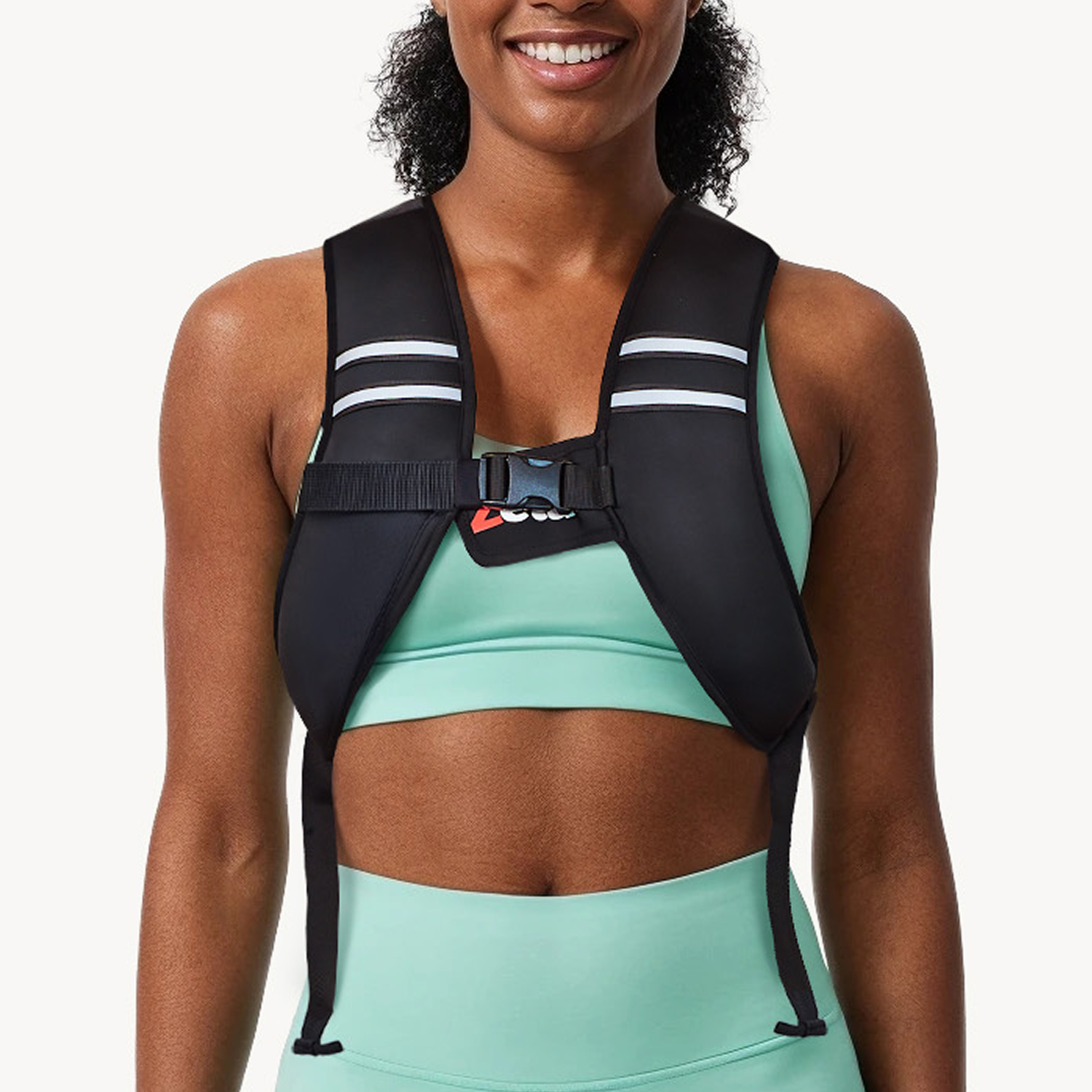
Does a Weighted Vest Help Lose Belly Fat?
A weighted vest has become a popular fitness tool for people looking to increase the intensity of their workouts, especially walking, hiking, and bodyweight training.
While many people are interested in using it specifically for belly fat, it’s important to understand that fat loss doesn’t happen in one targeted area.
Instead, a weighted vest supports overall fat loss by increasing energy expenditure and improving workout efficiency. Over time, this can contribute to a reduction in total body fat—including around your waist.
Does a Weighted Vest Help Lose Belly Fat?
A weighted vest can be an effective tool for supporting fat loss, including reducing belly fat, but it is not a magic solution on its own. Wearing a weighted vest increases the intensity of everyday movement and exercise, which helps your body burn more calories. Over time, this can contribute to overall fat loss and a leaner waistline when combined with proper nutrition and consistent physical activity.
However, it is important to understand that you cannot specifically target fat loss only from your stomach area. Belly fat decreases as your overall body fat percentage drops.
Learn More: Weighted Vests: Benefits, Sizing, and How to Use One
How a Weighted Vest Helps Burn More Calories?
A weighted vest adds extra resistance to your body during movement. Whether you are walking, climbing stairs, doing squats, or performing cardio exercises, your muscles and cardiovascular system must work harder to support the additional weight. This increased workload raises calorie burn and may help accelerate fat loss over time.
What Muscles Does a Weighted Vest Work? Full Body Guide
Weighted Vest Exercises to Lose Belly Fat

When I started looking for simple ways to make my workouts more effective, I discovered weighted vest training. A weighted vest does not magically burn belly fat on its own, but it can help me increase calorie burn, improve endurance, and make everyday exercises more challenging. Over time, combining weighted vest workouts with proper nutrition and consistency helped me reduce overall body fat, including stubborn belly fat.
I’ll share the weighted vest exercises I use to support fat loss and strengthen my core at the same time.
7 Best Weighted Vest Exercises
Why I Use a Weighted Vest for Fat Loss
Adding extra weight to my body forces my muscles and cardiovascular system to work harder during exercise. Even simple activities like walking or climbing stairs become more intense. This helps me burn more calories without needing complicated gym equipment.
I also like weighted vest training because it feels practical and versatile. I can use it indoors, outdoors, during cardio, or while doing bodyweight workouts.
Weighted Vest HIIT Workouts
High-Intensity Interval Training, or HIIT, is one of the fastest ways I increase calorie burn. By combining short bursts of intense exercise with brief recovery periods, I can complete an effective fat-burning workout in less time.
Exercises I Include
My weighted vest HIIT circuits often include:
- Burpees
- Mountain climbers
- Jump squats
- High knees
- Step-ups
I usually work for 30 seconds and rest for 15 to 20 seconds between exercises.
Weighted Vest Walking

One of the easiest exercises I started with was weighted vest walking. Walking may seem simple, but when I add extra resistance, my heart rate increases and my body works harder to move.
This allows me to burn more calories while keeping the workout low impact and beginner-friendly. I especially enjoy brisk walking outdoors because it is easier to stay consistent compared to high-intensity workouts.
3 Best Weighted Vest for Walking and Running
How to Build a Walking Weighted Vest Workout Routine?
Does Walking With a Weighted Vest Burn More Calories?
How I Do It
I usually wear a vest that is about 5–10% of my body weight and walk for 30 to 45 minutes. Sometimes I increase the intensity by walking uphill or using an incline treadmill.
Weighted Vest Squats

Squats are one of my favorite full-body exercises because they target large muscle groups like the glutes, quads, and core. The more muscles I activate, the more energy my body uses.
Wearing a weighted vest during squats increases resistance without needing heavy barbells.
Weighted Vests for Squats: Why It Works
How I Perform Them
I keep my chest upright, lower my hips until my thighs are parallel to the floor, and push back up through my heels. I focus on controlled movement rather than speed.
Weighted Vest Push-Ups

Push-ups already challenge my chest, shoulders, arms, and core. Adding a weighted vest makes the movement significantly harder and increases muscle engagement.
I noticed that weighted push-ups also force me to stabilize my core more effectively.
Weighted Vests for Push-Ups: Does It Work?
My Routine
I usually perform 3 to 4 sets of controlled repetitions while maintaining proper form. If the vest feels too heavy at first, I reduce the weight until I can perform clean reps comfortably.
Weighted Vest Stair Climbing
Stair climbing with a weighted vest quickly became one of the most intense calorie-burning exercises in my routine. It combines cardio and lower-body strength training at the same time.
After just a few minutes, I can feel my heart rate rise significantly.
How I Use It
I either climb real stairs outdoors or use a stair machine at the gym. I start slowly and focus on steady pacing to avoid unnecessary strain on my knees.
Weighted Vest Lunges
Lunges help me work each leg independently while engaging my core muscles for balance. Adding a weighted vest increases the challenge without putting too much pressure on my spine.
My Preferred Method
I alternate legs while keeping my upper body upright. Sometimes I perform walking lunges for an added cardio effect.
Weighted Vest Planks
Planks may not directly burn belly fat, but they strengthen my abdominal muscles and improve core stability. Wearing a weighted vest makes planks much more challenging.
How I Perform Them
I keep my body in a straight line and engage my core throughout the movement. I focus on maintaining proper posture instead of simply holding the position for as long as possible.
Tips I Follow for Better Belly Fat Loss Results
Focus on Nutrition
Exercise alone is not enough. I pay attention to my calorie intake, protein consumption, and hydration to support fat loss.
Increase Weight Gradually
Starting too heavy can lead to joint pain or poor form. I gradually increase the weight as my strength and endurance improve.
Stay Consistent
Consistency matters more than extreme workouts. Even moderate weighted vest training done regularly can make a noticeable difference over time.
Prioritize Recovery
Rest days, sleep, and mobility work help my body recover and reduce the risk of injury.
Weighted vest exercises have become one of my favorite ways to increase workout intensity and support fat loss. While a weighted vest does not specifically target belly fat, it helps me burn more calories, build strength, and improve endurance through simple exercises like walking, squats, stair climbing, and HIIT workouts.
Learn More: Weighted Vests: Benefits, Sizing, and How to Use One
Zelus Weighted Vest for Women and Men

- Comfort: Y-shaped fit that keeps pressure off your chest.
- Balanced Weight: Soft iron fill, no shifting or pressure points.
- Adjustable Load: 8–32 lb for progressive training.

- Rugged Build - 900D rugged fabric & wide support for high intensity.
- No Mess - Solid iron blocks instead of sand: clean, durable, no leaks.
- Pro Weight - Available in 23/36/45 lb heavy training options.
What Exercise Burns the Most Belly Fat?
Many people want to know which exercise burns belly fat the fastest. While no workout can target fat loss only in the stomach area, certain exercises are highly effective at increasing calorie burn, improving metabolism, and reducing overall body fat — including belly fat. The best results usually come from combining cardio, strength training, and healthy nutrition.
Exercises like crunches strengthen abdominal muscles, but they do not directly burn stomach fat. Your body loses fat overall based on genetics, diet, activity level, and calorie balance.
The exercises that burn the most belly fat are typically high-intensity cardio workouts like HIIT, sprinting, and running, combined with strength training and sustainable activities like weighted vest walking. The key to losing belly fat is creating a consistent calorie deficit through exercise, proper nutrition, and healthy lifestyle habits.
Does Walking Burn Belly Fat?

Yes, regular walking is one of the most effective and sustainable ways to reduce belly fat and improve overall health. Although it is impossible to “spot-reduce” fat from only the stomach area, walking helps create a calorie deficit that gradually lowers your total body fat percentage, including fat stored around the abdomen. Unlike intense workouts that can be difficult to maintain long term, walking is low-impact, beginner-friendly, and easy to turn into a daily habit.
Learn More: Does Walking With a Weighted Vest Burn More Calories?
One of the biggest benefits of walking is its ability to target visceral fat, which is the deeper fat stored around internal organs in the abdominal area. Visceral fat is associated with increased risks of heart disease, type 2 diabetes, and metabolic problems. Studies have shown that consistent aerobic exercise such as brisk walking can significantly reduce this dangerous belly fat over time, even without extreme dieting.
Walking also helps regulate hormones that influence fat storage. High stress levels can increase cortisol, a hormone linked to abdominal fat accumulation. Taking regular walks—especially outdoors—can help lower stress, improve mood, and reduce cortisol levels, which may make it easier for the body to lose belly fat naturally.
The intensity of walking matters as well. Slow casual walking is beneficial for general health, but brisk walking raises the heart rate and increases calorie burn more effectively. Walking at a pace where talking becomes slightly harder but still manageable is often ideal for fat loss. Adding hills, stairs, incline treadmill walking, or a weighted vest can further increase the intensity and help burn more calories without needing to run.
Consistency is more important than perfection when it comes to losing belly fat through walking. Walking for 30 to 60 minutes most days of the week can produce noticeable improvements over time, especially when combined with healthy eating habits and adequate sleep. Many people underestimate how powerful daily movement can be simply because the results are gradual, but sustainable fat loss almost always comes from habits that can be maintained long term.
Walking also supports muscle preservation during weight loss. When paired with strength training and enough protein intake, regular walking helps maintain lean muscle while encouraging the body to use stored fat for energy.
For even better results, many people combine walking with interval training. Alternating between faster and slower walking speeds increases cardiovascular demand and calorie expenditure.
While it may not deliver overnight results, regular walking is one of the safest, simplest, and most sustainable strategies for long-term belly fat reduction.
Foods to Avoid for Menopause Belly Fat
Many women notice increased belly fat during menopause, even if their diet and activity levels have not changed significantly. Hormonal changes—especially declining estrogen levels—can slow metabolism, increase insulin resistance, and encourage fat storage around the abdomen. Stress, poor sleep, and age-related muscle loss can also make weight management more difficult.
While no single food directly causes menopause belly fat, certain foods can worsen inflammation, blood sugar spikes, cravings, and calorie intake, making abdominal fat harder to lose. Avoiding or limiting these foods can support better hormone balance, energy levels, and overall body composition during menopause.
Sugary Foods and Drinks
Foods high in added sugar can rapidly raise blood sugar and insulin levels, which may encourage the body to store more fat around the midsection. During menopause, insulin sensitivity often decreases, making excess sugar even more problematic.
Common foods and drinks to limit include:
- Soda
- Sweetened coffee drinks
- Candy
- Pastries
- Ice cream
- Sweetened cereals
Liquid sugar is especially concerning because it provides calories without making you feel full. Replacing sugary beverages with water, sparkling water, or unsweetened tea can make a noticeable difference.
Refined Carbohydrates
Refined carbohydrates digest quickly and can lead to blood sugar spikes followed by energy crashes and cravings. They are often low in fiber, which means they are less filling and easier to overeat.
Examples include:
- White bread
- White rice
- Regular pasta
- Crackers
- Chips
- Many packaged snack foods
Choosing whole grains and fiber-rich carbohydrates instead may help improve satiety and support more stable energy levels.
Highly Processed Foods
Highly processed foods are often high in calories, unhealthy fats, sodium, and artificial ingredients while being low in nutrients. These foods can contribute to inflammation and make it more difficult to manage body weight during menopause.
Foods to reduce include:
- Fast food
- Frozen fried foods
- Processed meats
- Packaged desserts
- Instant noodles
Many processed foods are designed to be extremely palatable, which can increase overeating.
Alcohol
Alcohol can contribute to menopause belly fat in several ways. It adds extra calories, may disrupt sleep, and can increase cravings for unhealthy foods. Some alcoholic drinks are also loaded with sugar.
In addition, the body prioritizes metabolizing alcohol before burning fat, which may temporarily slow fat loss.
Reducing alcohol intake—especially sugary cocktails and excessive drinking—may help support better weight management and sleep quality during menopause.
Fried Foods
Fried foods are typically high in unhealthy fats and calories, making it easy to consume more energy than the body needs.
Examples include:
- French fries
- Fried chicken
- Doughnuts
- Fried snacks
Frequent consumption of fried foods may also increase inflammation and negatively affect heart health, which becomes increasingly important during menopause.
Foods High in Trans Fats
Trans fats have been linked to increased abdominal fat, inflammation, and cardiovascular disease risk. Although many countries have reduced artificial trans fats in food products, they can still appear in some packaged and processed foods.
Check ingredient labels for:
- Partially hydrogenated oils
- Packaged baked goods
- Shelf-stable pastries
- Some non-dairy creamers
Excessively Salty Foods
While sodium does not directly cause fat gain, high-salt foods can increase water retention and bloating, making the stomach area appear larger and feel uncomfortable.
Common high-sodium foods include:
- Processed soups
- Deli meats
- Fast food
- Salty snacks
- Frozen meals
Drinking enough water and eating potassium-rich foods may help reduce bloating.
Low-Protein Convenience Foods
During menopause, muscle mass naturally declines with age. Low-protein diets may worsen muscle loss, slow metabolism, and reduce feelings of fullness.
Many convenience foods are high in calories but low in protein, such as:
- Sugary granola bars
- Pastries
- Snack cakes
- Refined breakfast foods
Prioritizing protein-rich meals can help support metabolism and appetite control.
Better Food Choices for Menopause Belly Fat
Instead of focusing only on restriction, it helps to include more nutrient-dense foods such as:
- Lean protein
- Vegetables
- Fruits
- Whole grains
- Healthy fats
- Greek yogurt
- Nuts and seeds
Fiber-rich foods are especially helpful because they improve fullness and support blood sugar control.
Lifestyle Habits That Help Reduce Menopause Belly Fat
Menopause belly fat is influenced by hormonal changes, aging, stress, and lifestyle factors, but diet still plays a major role. Limiting sugary foods, refined carbohydrates, alcohol, fried foods, and highly processed meals may help reduce abdominal fat and improve overall health during menopause.
- Regular Exercise: Walking, strength training, and resistance exercises can help preserve muscle and support fat loss.
- Better Sleep: Poor sleep can increase hunger hormones and cravings.
- Stress Management: Chronic stress may elevate cortisol levels, which are associated with abdominal fat storage.
- Consistency Over Perfection: Sustainable habits usually work better than extreme diets.
FAQ
Will wearing a weighted vest burn belly fat?
A weighted vest doesn’t directly target belly fat, but it can help reduce it indirectly by improving total fat loss over time.
Can I wear a weighted vest if I have a prolapse?
It depends on the type and severity of your prolapse, and you should be cautious. A weighted vest increases intra-abdominal pressure (the pressure inside your abdomen). That pressure can push downward on the pelvic floor, which may worsen symptoms in people with a pelvic organ prolapse, especially if it’s moderate to severe or not well supported.
What's the worst carb for belly fat?
The most problematic ones are highly refined and easy-to-overeat foods like sugary drinks, white bread, pastries, chips, cookies, and other ultra-processed snacks. These carbs are quickly digested, low in fiber, and don’t keep you full for long, which makes it easier to consume more calories than your body needs—ultimately contributing to overall fat gain, including around the belly.
In contrast, whole-food carbs like oats, vegetables, legumes, and whole grains are more filling and support better appetite control, making them a healthier choice for long-term fat management.
Before You Go…
Here are a few handpicked articles to inspire your next self-care moment.