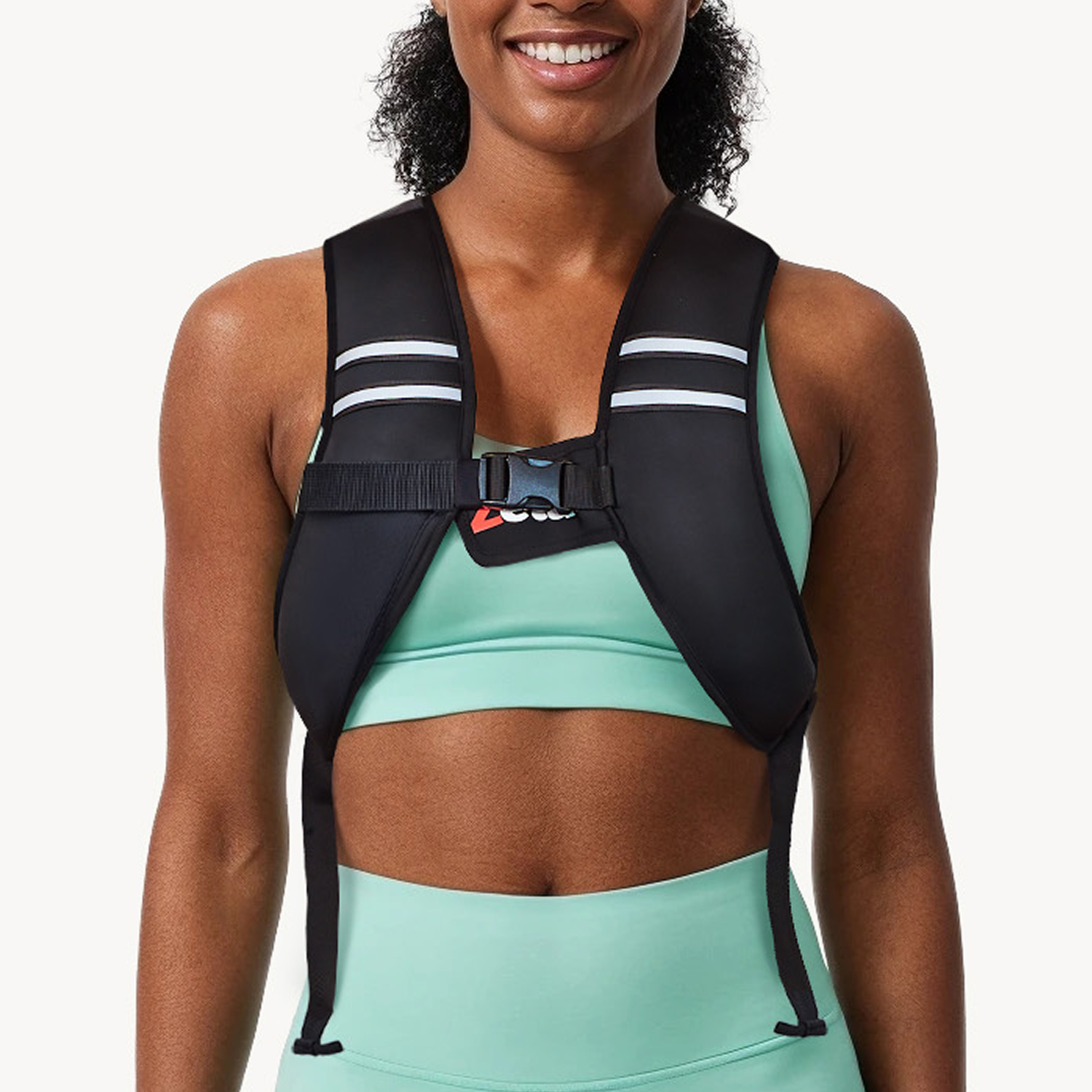
Best Weighted Vests for Posture: Expert Guide & Reviews
Modern life has not been kind to our spines. Hours spent hunching over laptops, tilting our heads toward smartphones, and sitting at desks have created a global epidemic of poor posture. Over time, these daily habits manifest as rounded shoulders, forward head posture, chronic muscle fatigue, and that all-too-familiar ache in the neck and lower back.
While targeted stretching and core exercises remain the gold standard for spine health, many are turning to an innovative tool to accelerate their progress: the weighted vest.
Next, we will break down the absolute best weighted vests for posture on the market, highlight the non-negotiable features you need to look for, and show you how to use a vest safely to stand taller, reduce pain, and reclaim your alignment.
How I Choose a Weighted Vest for Posture
When I started using a weighted vest for posture, I quickly realized it’s very different from using one for workouts or fat loss. My goal isn’t to “train harder” or lift heavier—it’s to help my body remember what good posture feels like and gradually reduce my tendency to slouch. That completely changes how I choose the vest.
What to Buy vs. What to Avoid
|
Category |
What to Buy |
What to Avoid |
|
Weight Distribution |
Evenly distributed front & back load for balanced posture support |
Back-heavy or front-heavy designs that pull you forward or cause slouching |
|
Weight Type |
Adjustable, removable small weight packets (0.5–1 lb increments) |
Fixed heavy vests (e.g., 15–30 lb with no adjustment) |
|
Starting Weight |
Very light load (around 1%–2% of body weight) |
Starting too heavy, which forces compensation and poor posture |
|
Vest Shape |
High-cut, Y-shape or X-shape design that sits on upper torso |
Long, bulky vests that hang low and compress the spine |
|
Fit Style |
Snug, secure fit that stays stable during movement |
Loose or shifting vests that move around when walking |
|
Comfort |
Breathable mesh, soft inner lining, anti-chafing materials |
Thick, non-breathable materials that cause overheating and discomfort |
|
Breathing Support |
Allows full diaphragmatic breathing and chest expansion |
Restrictive chest pressure that limits breathing depth |
|
Daily Use |
Lightweight enough for standing desk work or short posture sessions |
Too heavy or bulky for everyday wear |
|
Purpose Design |
Designed for posture awareness and gentle muscle activation |
Designed only for strength training or military-style load training |
|
Progression |
Gradual increase in weight over time |
No ability to adjust load or progress gradually |
1. Even Weight Distribution
The first thing I pay attention to is how the weight is distributed. If the vest is unbalanced, my body immediately compensates in ways that make posture worse instead of better.
If too much weight sits on my back, I notice myself leaning forward without realizing it. If it’s too front-heavy, I start rounding my shoulders and collapsing my chest. Either way, my alignment gets thrown off.
I always choose a vest that distributes weight evenly across my chest and back. This balanced setup helps me stay naturally upright without forcing it. It feels more like my body is being gently “centered” rather than pulled in one direction.
2. Adjustable, Light Weight First
I’ve learned that posture correction is not about intensity. It’s about waking up small stabilizing muscles in my back, shoulders, and core. If I overload them, I end up compensating with worse posture instead of improving it.
I usually start with around 1% to 2% of my body weight, even if it feels almost too light. That’s intentional.
I always look for a vest with small removable weight packs so I can:
- Start very light
- Add weight gradually in small steps
- Avoid shocking my posture system
This slow progression helps me build endurance without falling back into slouching patterns.
3. High-Cut, Y-Shape or X-Shape Design
I’ve tried bulky, long vests before, and they tend to pull my posture downward or make me feel compressed. That actually makes me slouch more.
I now prefer Y-shape or X-shape vests because they:
- Sit higher on my torso
- Wrap more naturally around my upper body
- Feel more secure without pulling me down
When I wear a properly fitted high-cut vest, I notice my shoulders naturally move slightly back and down. My chest opens up more easily, and I find it simpler to stay upright—especially when I’m working or standing for long periods.
4. Comfort and Breathability
If a vest is uncomfortable, I immediately start adjusting my posture just to escape pressure points. That defeats the whole purpose.
I usually go for:
- Breathable mesh panels for airflow
- Soft inner lining to avoid chafing
- Lightweight materials that don’t feel bulky
Since I sometimes wear it while working at a standing desk or doing light movement, I also prefer a slim profile. It needs to feel natural enough that I can forget about it, not something I constantly want to take off.
5. It Stays Stable When I Move
If the vest shifts around, my body keeps adjusting to it, and that constant compensation actually makes my posture worse instead of better.
I always look for:
- Strong side straps that keep it snug
- Shoulder support that doesn’t slip
- A fit that stays stable when I walk or move lightly
If I have to keep fixing it, I know it’s not the right choice for posture training.
6. Use It as a Training Reminder, Not All-Day Weight
I don’t treat the vest as something I wear all day like a backpack. Instead, I see it as a posture reminder tool that helps my body “relearn” alignment.
I usually:
- Wear it for short sessions (10–20 minutes at first)
- Use it while standing or walking lightly
- Combine it with posture exercises like scapular retractions or core engagement work
Over time, I notice my body starts holding better posture even when I take the vest off.
For me, choosing a weighted vest for posture is really about control, comfort, and gradual adaptation. I don’t want something heavy or restrictive—I want something that gently encourages my body into better alignment.
When I focus on even weight distribution, adjustable light load, a high-cut design, and long-wear comfort, I find it much easier to stand taller naturally without forcing it.
Are Weighted Vests Good for Walking? Benefits & Tips
Best Weighted Vest for Women Posture

Best Weighted Vest for Men Posture

Are Weighted Vests Good for Posture?
Yes—but with important limitations. Weighted vests can support better posture when used correctly, but they are not a standalone fix for poor alignment or chronic slouching. Rather than “forcing” the body into perfect posture, a weighted vest works best as a training tool that improves posture awareness and strengthens the muscles responsible for maintaining an upright position.
For people who already have a relatively stable posture foundation, a weighted vest may reinforce healthy movement patterns and improve postural endurance. However, when used improperly—or by individuals with significant muscular imbalances—it may place additional stress on already compromised areas and potentially worsen discomfort.
How Weighted Vests May Help Posture
Weighted vests influence posture through a combination of sensory awareness and muscular conditioning. These mechanisms explain why many users report standing taller or feeling more conscious of their alignment while wearing one.
Sensory and Proprioceptive Feedback
One of the most immediate benefits of a weighted vest is improved proprioception, or body-position awareness.
Many posture problems develop gradually through daily habits such as prolonged desk work, phone use, or sitting with rounded shoulders. Over time, poor posture begins to feel “normal,” making it difficult to recognise when alignment has deteriorated.
A weighted vest changes this by providing continuous sensory input across the shoulders and torso.
When the body begins to slouch or collapse forward, the weight distribution shifts. This change creates noticeable pressure and discomfort, making poor alignment easier to detect.
As a result, the wearer often becomes more aware of:
- Rounded shoulders
- Forward head posture
- Collapsed chest position
- Uneven spinal alignment
This feedback encourages subtle self-correction throughout the day. Rather than mechanically forcing posture, the vest acts more like a reminder that helps users maintain better positioning consciously.
Core and Postural Muscle Conditioning
Beyond awareness, weighted vests may also contribute to improved postural endurance.
Maintaining an upright posture requires continuous activation of several muscle groups, including:
- Core muscles
- Lower back extensors
- Upper back stabilisers
- Shoulder-supporting muscles
- Deep spinal stabilising muscles
Poor posture is not always caused by weakness alone. In many cases, the issue involves muscular fatigue.
Even individuals who understand proper posture may gradually slump as their postural muscles tire during long periods of sitting or standing.
A properly fitted weighted vest introduces mild additional resistance that encourages these muscles to remain active.
When used during light activities such as walking or standing, the extra load may help improve:
- Postural muscle endurance
- Trunk stability
- Shoulder positioning control
- Overall upright tolerance
Over time, this conditioning can make it easier to maintain good posture without feeling fatigued.
The Biomechanics Behind Weighted Vest Posture Support
The effectiveness of a weighted vest depends heavily on load placement and spinal mechanics.
The spine functions as a dynamic structure that constantly adjusts to maintain balance and keep the body’s centre of gravity stable.
When a vest distributes weight evenly across the torso, the body responds by activating stabilising muscles to maintain neutral alignment.
Evenly distributed weight may encourage:
- Greater spinal stability
- Improved torso control
- More consistent muscle engagement
- Better postural awareness during movement
However, these benefits depend on using an appropriately designed vest and maintaining proper form. If the body compensates incorrectly, the mechanical advantages can quickly disappear.
Who Can Benefit From a Weighted Vest for Posture?
A weighted vest may be helpful for people whose posture problems are mainly related to daily habits, muscle fatigue, or mild weakness, rather than serious spinal conditions. When used correctly, it can improve posture awareness and help strengthen the muscles responsible for maintaining an upright position.
Desk Workers and People With Sedentary Habits
People who spend long hours sitting at a desk or working on a computer often develop rounded shoulders and forward head posture. If you are still able to consciously straighten your back and pull your shoulders into better alignment, a weighted vest may provide useful sensory feedback. The gentle pressure and weight distribution act as a reminder to maintain better posture throughout the day.
People With Postural Fatigue
Some people begin the day with good posture but gradually start slouching as their muscles tire. This is often called postural fatigue. A light weighted vest may help train the core and spinal stabilising muscles to work more consistently, improving endurance and making it easier to maintain proper posture for longer periods.
Older Adults and Post-Menopausal Women
Weighted vests are sometimes used by older adults and post-menopausal women, particularly during walking or light exercise. The added vertical load may help stimulate bone strength and support balance training, which can be beneficial for maintaining mobility and reducing fall risk. However, medical clearance is important before beginning weighted vest use, especially for individuals with osteoporosis or other health concerns.
Weighted Vests for Menopause: What You Need to Know
Can You Use a Weighted Vest for Osteoporosis?
Walkers and Light Exercisers
People who already enjoy walking or light fitness routines may find a weighted vest to be a practical way to engage the core and upper back muscles more actively. Rather than relying solely on dedicated posture exercises, a light vest can add gentle resistance during normal movement and encourage better postural control.
Who Should Avoid a Weighted Vest for Posture?
While weighted vests can benefit some users, they are not appropriate for everyone. Adding extra load to an unstable or painful spine may increase strain and worsen existing problems.
People With Diagnosed Spinal Conditions
Individuals with spinal conditions such as herniated discs, spinal stenosis, severe scoliosis, or sciatica should approach weighted vest use carefully and seek professional guidance first. Additional compression and loading may aggravate symptoms or place further stress on sensitive spinal structures.
People With Severe Rounded Upper Back Posture
Those with pronounced or rigid upper-back curvature, sometimes called hyperkyphosis, may not benefit from a weighted vest alone. If the spine cannot be voluntarily straightened, the added load may encourage further forward rounding and increase strain on the neck and shoulders.
People With Chronic Neck Pain or Cervical Problems
Weighted vest straps rest directly across the shoulders and upper trapezius muscles. For individuals who experience chronic neck tension, cervical spine issues, or frequent tension headaches, this pressure may increase discomfort and muscle tightness.
People With Acute Lower Back Pain
If lower back pain is already present, a weighted vest may place additional demands on the spine and core muscles. Without sufficient core stability, the body may compensate by over-arching the lower back, potentially worsening discomfort rather than improving posture.
Here is a polished, seamless version of your text. This version refines the phrasing to make it more impactful, persuasive, and easy to read, while perfectly preserving your core message.
6 Reasons Your Weighted Vest Might Be Hurting Your Body
Safety Tips for Using a Weighted Vest for Posture
Using a weighted vest for posture can be highly effective, but it also places additional load on the spine and supporting muscles. Because of this, safety should always come before intensity or progression. If the vest is used too heavily or too quickly, the body may compensate with poor movement patterns, increasing the risk of muscle strain, joint stress, or nerve irritation.
1. Start Very Light
For posture training, the goal is not maximal strength but muscle activation and endurance building in small stabilising muscles.
A safe starting point is typically around 1%–2% of body weight. For example, a 150 lb person should begin with only 1.5–3 lb of added resistance.
Progress should be slow and controlled. Do not increase weight until you can maintain correct posture effortlessly for at least 30 minutes. When progressing, increases should be minimal—usually no more than 1 lb at a time.
2. Limit Wear Time
A weighted vest should be treated as a training tool, not everyday clothing. Prolonged wear can lead to muscle fatigue, reduced posture quality, and compensatory movement patterns.
Start with short sessions of 10–15 minutes per day, then gradually build up to 30–45 minutes per session as tolerance improves.
After each session, you should feel mild muscle engagement rather than exhaustion or discomfort.
3. Use It During Movement, Not Prolonged Sitting
Weighted vests are most effective during light dynamic activities, not static positions.
Avoid wearing the vest while sitting for long periods, as this can increase spinal compression and encourage slouched positioning.
Best use cases include:
- Walking
- Standing desk work
- Light household activity
- Gentle mobility or posture exercises
Continuous movement helps the core and back muscles stabilise the load more effectively, supporting healthier posture development.
4. Understand the Difference Between Fatigue and Pain
Some mild muscle fatigue—especially between the shoulder blades—is normal and indicates that postural muscles are being activated.
However, certain sensations require immediate stopping, including:
- Sharp, stabbing, or shooting pain
- Numbness or tingling in the arms or hands
- Pinching or severe discomfort in the lower back
- Persistent neck strain or headaches
These may indicate poor fit, excessive load, or improper posture during use.
5. Ensure a Secure and Stable Fit
A weighted vest should feel stable and evenly supported. If it shifts, bounces, or sags, it can disrupt balance and force the body into compensatory movements.
The ideal fit is snug but not restrictive—similar to a firm, even pressure around the upper torso. The weight should sit high on the chest and upper back without pulling downward or shifting during movement.
Key Safety Rule
If you notice yourself slouching while wearing the vest, stop the session immediately. Continuing to carry weight in a poor posture position reinforces bad movement patterns and may place unnecessary stress on the spine.
In posture training, correct alignment always matters more than duration or resistance.
Final Thoughts
When it comes to correcting posture, the ideal vest is one that prioritizes balanced weight distribution, highly adjustable resistance, a secure fit, and ergonomic comfort—all without placing excessive, vertical strain on your spine.
When used correctly, a weighted vest acts as a powerful biofeedback tool. By selecting a well-engineered vest and committing to a light, progressive routine, you can build the muscle memory and physical endurance needed to stand taller, move pain-free, and sustain healthy alignment for a lifetime.
Before You Go…
Here are a few handpicked articles to inspire your next self-care moment.