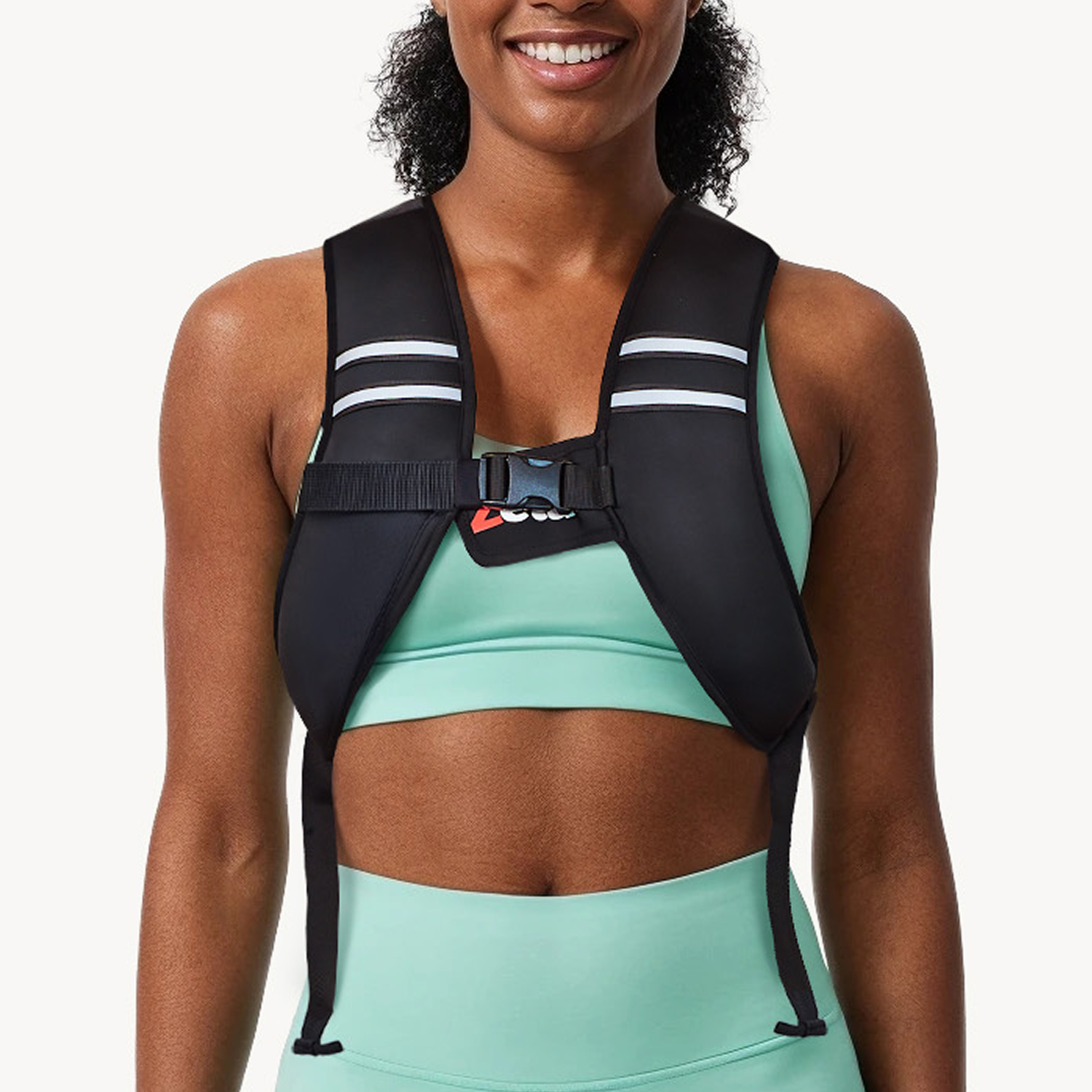
Can You Wear a Weighted Vest All Day? Benefits, Risks & Safe Tips
Wearing a weighted vest has become an increasingly popular way to boost workouts, burn more calories, and build strength—but what about wearing one all day? It might seem like a simple way to turn everyday activities into a constant fitness session, from walking around the house to running errands. However, while the idea sounds appealing, it raises important questions about safety, effectiveness, and long-term impact on your body.
Can I wear a weighted vest all day?
Wearing a weighted vest all day (consecutively for hours) is not recommended. While it burns a few extra calories, the cumulative stress on your spine, joints, and posture far outweighs the fitness benefits. Think of a weighted vest as a workout tool, not an all-day accessory.
The Risks of Wearing a Weighted Vest All Day
Many fitness experts and experienced lifters strongly advise against long-term or all-day wear of a weighted vest. The human body is not designed to carry heavy loads continuously, and doing so can lead to serious problems.
Spine and Joint Stress
Wearing a vest that adds 40 lbs or more places constant pressure on your spine, intervertebral discs, knees, and ankles. Over time, this can cause:
- Poor posture, such as rounding of the back or pelvic tilt
- Chronic lower back pain
- Muscle fatigue and overuse injuries
- Accelerated joint wear and tear
Lack of Recovery for Core Muscles
Weighted training is meant to be controlled and time-limited. Constantly wearing a vest prevents your core and stabilizing muscles from recovering, which is essential for preventing injury and promoting strength gains.
How many hours a day can I wear a weighted vest?
|
Activity |
Recommended Duration |
Weight Guide |
Core Benefit |
|
HIIT / Circuits |
15–30 Minutes |
~5% of Body Weight |
Boosts cardio output without breaking form |
|
Strength Training |
20–45 Minutes |
5–10% of Body Weight |
Adds progressive overload to bodyweight moves |
|
Walking / Hiking |
30–60 Minutes |
5–10% of Body Weight |
Increases caloric burn and lower-body endurance |
|
Light Housework / Errands |
30–60 Minutes (Max) |
Under 5% (Very Light) |
Gently engages core and back muscles |
Most people should limit wearing a weighted vest to 20–60 minutes per session, typically during structured activities like walking, hiking, or strength training. Some enthusiasts do extend use to 2–3 hours during low-intensity daily tasks, but wearing a vest all day is generally ill-advised, as it can place continuous stress on joints, lead to muscle fatigue, and negatively affect posture over time. Duration should be tailored to both the weight of the vest and the type of activity.
- Strength training: 20–45 minutes. Exercises like weighted squats, lunges, push-ups, or core routines benefit from moderate durations that challenge muscles without overloading them.
- Walking or light cardio: 30–60 minutes. Start with a lighter vest to allow your knees, hips, and back to adapt before increasing intensity or weight.
- HIIT or high-intensity circuits: 15–30 minutes. Shorter sessions prevent excessive strain on the cardiovascular system and reduce the risk of form breakdown.
Additional tips:
Incorporate rest periods between sessions, adjust vest weight gradually, and ensure proper fit to distribute load evenly. Wearing a vest intermittently during daily activities—like standing while working or doing chores—can improve posture and calorie burn, but it’s crucial to avoid continuous use for hours on end. Think of the vest as a tool to enhance workouts, not as an all-day accessory.
5 Golden Rules for Extended Wear
If you want to stretch your usage beyond a quick workout—such as wearing it while doing chores or standing at a desk—adhere strictly to these safety guardrails:
-
Rule 1: Scale Your Weight, Not Just Time
Stick to a light load (5–10% of your body weight). Use an adjustable vest so you can remove weight increments as the hours tick by. -
Rule 2: Give Your Spine a "Rest Break"
Never wear the vest continuously. Take it off every 1 to 2 hours for at least 15–20 minutes. Your joints and spine need a "deloading" period to recover from the constant downward pressure. -
Rule 3: Perform Constant Posture Checks
Extra weight naturally coaxes your body into bad habits, like rounding your shoulders, arching your lower back, or craning your neck forward. If you cannot maintain a proud chest and engaged core, the vest needs to come off. -
Rule 4: Listen to Your Joints, Not Just Your Muscles
Muscular fatigue is fine; sharp or dull pain in your lower back, knees, ankles, or the bottoms of your feet is not. If your joints start aching, your body is telling you it has reached its structural limit. -
Rule 5: Keep Movements Dynamic
Do not sit at a computer for three hours wearing a weighted vest. Static compression is brutal on the spine. Use it when you are moving around, changing positions, or walking.
Are there any benefits to wearing a weighted vest all day?
Yes, keeping a weighted vest on during your daily routine can yield real fitness gains—but only if the vest is light (5–10% of your body weight) and worn mindfully.
Accelerated Daily Calorie Burn
By adding extra load to basic movements—like walking, climbing stairs, or even standing—your muscles have to work harder, which subtly but consistently increases your total energy expenditure throughout the day.
Active Posture & Core Engagement
A properly fitted, lightweight vest acts as a tactile reminder to sit and stand taller. Your deep core, lower back, and shoulder stabilizer muscles must engage continuously to balance the weight, helping you build postural endurance.
Best Weighted Vests for Posture: Expert Guide & Reviews
Weighted Vest Core Strength: Benefits, Exercises & Workouts Guide
Low-Impact Strength & Bone Density
This constant, low-level resistance acts as a form of "hyper-gravity." Over time, your muscles, tendons, and bones slowly adapt to the extra load, which can stimulate bone density improvements and boost functional strength.
The Catch: Strategy Over Consistency
While these benefits are enticing, they come with a massive asterisk. If the vest is too heavy or worn continuously without a break, the table turns instantly: the risk of spinal compression, joint inflammation, and posture breakdown will quickly outweigh any potential gains.
To harvest these benefits safely, treat the vest as a tool for strategic daily intervals (like wearing it just while doing household chores or during a quick afternoon walk) rather than an all-day outfit.
Can wearing a weighted vest all day help you lose weight?
Wearing a weighted vest all day can slightly help with weight loss, but it’s not a magic solution. The extra weight increases the effort required for everyday movements like walking, standing, and climbing stairs, which can lead to a modest increase in calorie burn over the course of the day. However, the effect is usually small compared to structured exercise, and it depends heavily on how active you are while wearing the vest.
That said, wearing a vest all day isn’t the most effective or safest fat-loss strategy. Prolonged use—especially with heavier weights—can lead to joint stress, muscle fatigue, and posture issues, which may limit your ability to stay consistent with workouts. Sustainable weight loss is better achieved through a combination of regular exercise, a calorie-controlled diet, and proper recovery.
Does walking with a weighted vest burn more calories
Stop Wearing Your Weighted Vest All Day—Do This Instead
If your goal is to increase strength, endurance, or burn fat, the most effective way to use a weighted vest is not to wear it all day, but to engage in planned, controlled training. Below are several recommended methods, along with key points for each approach.
Brisk Walking or Light Jogging for Cardio and Endurance
One of the safest and most effective ways to use a weighted vest is during brisk walking or light jogging. A 30–45 minute walk, three times per week, can significantly increase the intensity of your workout without requiring complex equipment or advanced training techniques.
How to Do It Safely
- Start with a light load. Beginners should begin with 10–20 pounds or roughly 5–10% of their body weight.
- Increase weight gradually. Once your body adapts, you can slowly add more weight over several weeks.
- Maintain proper posture. Keep your chest up, shoulders back, and core engaged throughout the walk.
- Focus on consistency rather than intensity. The goal is to stay under load for an extended period, not to push yourself to exhaustion.
Walking with a weighted vest can improve cardiovascular fitness, increase calorie expenditure, and strengthen the muscles that support everyday movement. Adding gentle hills or inclines can further enhance the training effect without requiring a heavier vest.
Strength Training for Greater Muscle and Core Development
Weighted vests can be extremely useful during bodyweight and strength-training exercises. Rather than wearing the vest all day, use it strategically during workouts to increase resistance and stimulate muscle growth.
Effective Exercises with a Weighted Vest
- Squats
- Lunges
- Step-ups
- Push-ups
- Pull-ups and chin-ups
- Walking lunges
- Stair climbing
The added resistance forces your muscles to work harder, helping build strength in your legs, core, back, and upper body. For example, adding a 20-pound vest to pull-ups or push-ups can dramatically increase the challenge without needing additional gym equipment.
Weighted Vests for Push-Ups: Does It Work?
Training Tips
- Prioritize proper form over heavier weight.
- Start with shorter workouts and lower resistance.
- Allow adequate recovery between training sessions.
- Stop immediately if you notice joint pain or changes in movement patterns.
Remember that a weighted vest should enhance your training, not compromise technique.
Control Weight and Duration
The most important rule when using a weighted vest is to manage both the amount of weight and the amount of time you wear it.
Many people make the mistake of assuming that wearing a 40–80 lb vest for several hours will produce better results. In reality, excessive duration often increases injury risk while providing little additional benefit.
Recommended Guidelines
- Beginners: 10–15 lbs for 15–20 minutes.
- Intermediate users: 15–30 lbs for 20–40 minutes.
- Advanced users: Heavier loads may be appropriate during specific workouts, but not for all-day wear.
The objective is targeted training, not continuous loading. Your muscles, joints, and spine need periods of recovery to adapt and become stronger.
A Simple Guide to Buying Your First Weighted Vest
Watch for Warning Signs
Remove the vest immediately if you experience:
- Lower back pain
- Knee or ankle discomfort
- Shoulder or neck strain
- Changes in posture
- Excessive fatigue
These symptoms often indicate that the load is too heavy or the session is too long.
Use the Vest as a Training Tool, Not a Lifestyle Accessory
A weighted vest is most effective when used with purpose. Treat it like any other piece of fitness equipment: use it during planned exercise sessions, then take it off and allow your body to recover.
For most people, the best results come from:
- 20–45 minutes of brisk walking
- Short conditioning workouts
- Bodyweight strength training
- Hill walking or stair climbing
How long should I walk with a 20 lb weighted vest?
|
Experience Level |
Recommended Duration |
Pace & Strategy |
Important Safety Notes |
|
Beginners |
10–20 Minutes |
Casual pace |
Monitor how your lower back and knees respond. (Note: 20 lbs is quite heavy unless you weigh over 200 lbs; consider starting much lighter!) |
|
Intermediates |
30–45 Minutes |
Brisk pace |
Progress to this stage only once your posture remains perfect throughout the entire walk. |
|
Advanced |
Up to 60 Minutes |
Variable / Hikes |
Ideally, alternate between weighted and unweighted walking days to prevent joint overuse injuries. |
For beginners, it’s best to start with 10–20 minutes at a comfortable pace. This allows your knees, hips, and lower back to adjust to the extra weight without causing strain or injury. Shorter sessions at first also help you learn proper posture and walking mechanics while wearing the vest.
As your body adapts, you can gradually extend your walks. Intermediate walkers may aim for 30–45 minutes per session, maintaining a brisk but manageable pace. At this stage, it’s important to monitor how your joints feel and ensure the vest fits snugly, distributing weight evenly across your torso.
For experienced users, walking up to 60 minutes with a 20 lb vest is generally safe, particularly during hikes or longer cardio sessions. However, even seasoned users should alternate between weighted and unweighted walks, take breaks as needed, and pay attention to any signs of fatigue or discomfort. Proper progression and listening to your body are key to maximizing benefits while avoiding joint stress or muscle overuse.
Conclusion
A weighted vest is your fitness secret weapon, not a second skin. Use it strategically to supercharge short, focused windows of activity, and let your body move freely and naturally for the rest of the day to ensure long-term health and joint longevity.
Before You Go…
Here are a few handpicked articles to inspire your next self-care moment.