5 Rules for Wearing a Summer Weighted Vest in the Heat (Before You Pass Out)
Weighted vest workouts are more popular than ever. Whether you're rucking, hiking, or doing bodyweight training, strapping on extra weight is a highly efficient way to build strength and burn more calories.
But when the summer heat hits, that vest turns into an insulated, heat-trapping weighted blanket. Exercising in hot weather already forces your body to work double-time to stay cool. Adding a weighted workout vest drastically accelerates your risk of overheating, dehydration, and heat exhaustion. Staying safe in the summer isn't about "toughing it out"—it's about training smart and adjusting your routine.
Before you head out into the sun, here are five essential rules to maximize your training benefits while keeping your core temperature in the safe zone.
Why Summer Weighted Vest Workouts Feel So Much Harder

When you strap on a weighted vest, your muscles have to work significantly harder to move that extra load. More muscular effort requires more energy, which in turn generates a massive amount of internal metabolic heat.
Normally, your body is highly efficient at dumping this excess heat. It pumps blood to your skin and releases sweat, which cools you down as it evaporates. However, summer heat and humidity throw a wrench in this system.
When it's humid, sweat can't evaporate into the already moisture-saturated air. To make matters worse, a thick nylon or neoprene vest acts as an insulator, blocking airflow and trapping a layer of hot, humid air right against your chest. Your built-in cooling system effectively gets choked out.
Rule 1: Choose the Right Weighted Vest for Summer

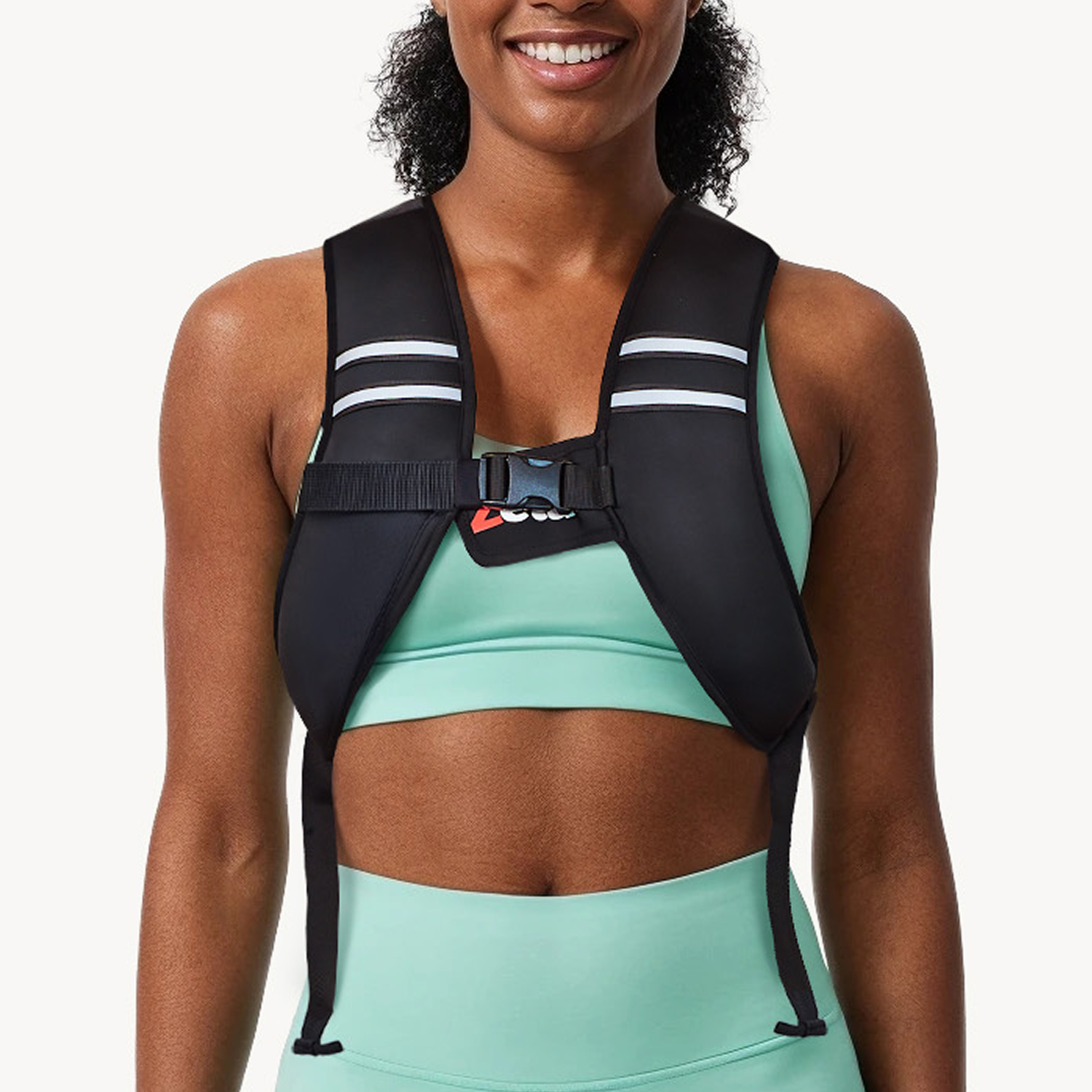
Most weighted vests act like thick, heavy winter coats that trap heat. For summer training, you need a vest designed to do the exact opposite. The Zelus Z-Fit™ is engineered specifically to keep you cool, mobile, and comfortable in hot weather.
3 Best Zelus Cooling Weighted Vest for Summer: Stay Cool & Active with Z-Fit™
- Soft & Flexible Even When Frozen
Traditional vests use loose iron sand packed into neoprene. If you freeze them, trapped moisture turns the sand into a rigid, rock-hard block. The Z-Fit™ uses advanced Silicone-Iron Fusion Technology, encapsulating iron particles inside medical-grade silicone. It can go straight into the freezer for a deep, refreshing chill, yet it remains completely pliable and contours seamlessly to your body the moment you put it on.
- Free Movement Without Weight Shifting
Standard vests bounce, slide, and throw off your balance. The Z-Fit™ features a sleek, unibody design that hugs your torso. It bends and flexes naturally with your movement, making it perfect for walking, rucking, outdoor yoga, or functional strength training.
- Zero Noise for Everyday Training
With no metal plates clanking or loose sand rustling, the Z-Fit™ is completely silent. It’s the ultimate low-profile, quiet vest for outdoor trails, home workouts, or active desk movement.
- Breathable Design
Standard vests trap sweat and block airflow against your chest and back. The Z-Fit™ is built with ultra-breathable materials and a low-profile cut that maximizes ventilation, letting heat escape and keeping your skin cool during intense sessions.
Regular vs Cooling Weighted Vest: Key Cooling Benefits Explained
Rule 2: Train During the Coolest Hours

When you wear a weighted vest in the summer, your training schedule needs to shift. To avoid turning your workout into an outright survival challenge, you must strategically time your sessions around the sun.
- Early Morning: This is the absolute gold standard for summer training. Ground temperatures are at their lowest, the air is crisp, and humidity—while sometimes high—is usually accompanied by a cooler ambient temperature.
- After Sunset: Once the sun dips below the horizon, you lose the direct solar radiation that cooks your vest. Just keep in mind that asphalt and concrete hold onto heat, so evening air can still feel slightly warm near the ground.
Why You Must Avoid the Midday Heat
Between 10:00 AM and 4:00 PM, outdoor conditions become actively hostile for weighted training:
- Intense UV Exposure: Direct sunlight dramatically accelerates fatigue. Furthermore, getting a sunburn actually impairs your body's ability to sweat and regulate its internal temperature.
- Radiant Pavement Heat: Asphalt can easily reach temperatures 40 to 60 degrees hotter than the air. If the air is 90°F, the road beneath your feet could be 140°F, radiating heat straight up into your body.
- Spike in Heart Rate: Due to cardiovascular strain in extreme heat, your heart rate can spike by 10 to 15 beats per minute even at the exact same pace you comfortably hold in the spring.
Summer Weighted Vest Temperature Guidelines
To take the guesswork out of your summer schedule, follow these temperature thresholds before you strap on your vest:
|
Temperature |
Recommendation |
|
Under 75°F (24°C) |
Ideal: Great conditions for standard weight and duration. |
|
75–85°F (24–29°C) |
Moderate Intensity: Keep paces comfortable and take regular breaks. |
|
Above 85°F (29°C) |
Caution: Scale back. Reduce your vest weight by half and shorten your workout. |
|
Above 95°F (35°C) |
Stop: Skip outdoor vest training entirely. Work out indoors in the AC. |
Rule 3: Hydrate Before, During, and After Exercise

When you are carrying extra weight in the heat, hydration isn't just a comfort measure—it's your primary defense against heat illness. Sweating is your body's main mechanism for cooling down, but it only works if you have the fluid reserves to support it.
Don’t Wait Until You're Thirsty
Thirst is a lagging indicator; by the time you actually feel thirsty, you are already mildly dehydrated. To keep your core temperature stable under the weight of a vest, you need a proactive hydration strategy:
- Before Your Workout: Drink 16 to 20 ounces of water about two hours before you head out, and another 8 ounces right before you put the vest on. Starting your session fully hydrated gives your cardiovascular system a crucial head start.
- During Exercise: Don't chug water all at once, which can lead to stomach cramping. Instead, take small, frequent sips (about 4 to 8 ounces) every 15 to 20 minutes to keep a steady stream of fluids entering your system.
- Afterward: Rehydration doesn't end when the vest comes off. Drink at least 16 to 24 ounces of fluid for every pound of body weight lost during your session to help your body recover and cool back down to its baseline.
Replace Lost Electrolytes
Sweating out pure water is only half the equation. Sweat also carries away essential minerals—specifically sodium, potassium, and magnesium—which are critical for muscle contraction and fluid balance.
If your vest workout lasts longer than 45 minutes in the summer heat, drinking plain water isn't enough. In fact, drinking too much plain water during prolonged sweating can dilute your blood's sodium levels, a dangerous condition called hyponatremia. Keep a sports drink on hand or drop an electrolyte tablet into your water bottle to replenish these vital minerals and keep your muscles firing efficiently.
Watch for Dehydration Symptoms
Your body will tell you when it is running low on fluids. Never ignore these early warning signs of dehydration while wearing a vest:
- Dark-Colored Urine: A clear sign that your body is desperately trying to conserve water. Ideally, your urine should look like pale lemonade.
- Dizziness or Lightheadedness: A drop in blood volume from dehydration means less oxygen is reaching your brain.
- Persistent Headache: Often one of the first physical signs of dehydration and heat stress.
- Muscle Cramps: A direct result of losing too much water and sodium, causing your muscles to lock up painfully.
If you experience any of these symptoms, take the vest off immediately, find some shade, and focus on rehydrating.
Rule 4: Shorten Your Workout and Listen to Your Body

It is easy to get caught up in a training schedule, but summer is the time to prioritize quality over pure volume. Wearing a weighted vest in high heat adds a massive tax to your cardiorespiratory system. To stay safe, you need to shorten your sessions and leave your ego at the door.
Save your marathon-length rucks and grueling hour-long vest circuits for the cooler fall months. In the summer heat, your workouts should be short, sharp, and efficient.
As a general rule, aim to cut your standard cool-weather training time by 30% to 50%. If you aren't sure how long to go, use these summer session length guidelines:
How Long Should You Wear a Weighted Vest?
- Beginners: 15–20 minutes max. Focus on getting used to the weight and the heat before even thinking about extending your time.
- Intermediate: 20–35 minutes. Keep your pace moderate and build in brief rest periods to let your heart rate settle.
- Experienced: 30–45 minutes. Even if you are highly conditioned, crossing the 45-minute mark with a vest in high heat dramatically increases your risk of heat-related illness.
Stop Immediately If You Notice...
In the winter, "pushing through the pain" might just mean dealing with sore muscles. In the summer, pushing through certain symptoms can land you in the emergency room. Strip the vest off and get to a cool, shaded area immediately if you experience any of the following:
- Nausea or Vomiting: A clear sign that your body is redirecting blood flow away from your digestive tract to try and cool your skin.
- Chills or "Goosebumps": Getting cold or shivering when it is hot outside is a major, immediate warning sign that your body's temperature regulation system is failing.
- Confusion or Brain Fog: If you find yourself losing track of your route, struggling to focus, or feeling unusually irritable, your brain is overheating.
- Excessive, Sudden Fatigue: An abrupt "wall" where your muscles completely give out, rather than a gradual tire.
- Loss of Coordination: Stumbling, clumsy footsteps, or struggling to balance.
- An Out-of-Control Rapid Heartbeat: If your heart is hammering wildly in your chest and refuses to slow down even when you stop moving, your cardiovascular system is in distress.
6 Reasons Your Weighted Vest Might Be Hurting Your Body
Rule 5: Reduce the Load

Many people treat weighted vest training with a "more is better" mentality, but carrying excessive weight in extreme heat is a recipe for disaster. During the summer, you need to lighten the load to keep your core temperature manageable.
To stay safe while still getting a great workout, you should aim to wear only 5% to 10% of your total body weight during the peak summer months. For instance, if you weigh 150 pounds, your summer vest should range between 7.5 and 15 pounds. This lighter weight range still provides a fantastic metabolic boost and extra resistance for your muscles, but it keeps your cardiovascular strain at a level your body can actually manage in the heat.
Save your heaviest plates and maximum-load rucks for the cooler autumn and winter months when your body isn't fighting a thermal battle just to stay upright. When the summer sun is beating down, your training goal should shift from building raw strength to maintaining conditioning and agility. Lightening the vest ensures you can finish your workout with proper form, recover quickly, and avoid a dangerous spike in your core temperature.
How Much Weight Should You Put in Your Weighted Vest?
A Simple Guide to Buying Your First Weighted Vest
Mistakes to Avoid When Wearing a Weighted Vest in Summer

Even if you follow the rules, a few simple slip-ups can quickly turn a great summer workout into a physical hazard. Avoid these common pitfalls to keep your training safe, comfortable, and effective.
- Wearing Too Much Weight: Don't try to match your winter training loads. Carrying your maximum weight capacity in high temperatures places immense strain on your heart and lungs, causing your core temperature to spike dangerously fast. Keep it light until the seasons change.
- Ignoring Humidity Levels: A dry 85°F feels very different from a humid 85°F. High humidity prevents sweat from evaporating, which completely disables your body's natural cooling mechanism. When the humidity is high, scale back your intensity even further.
- Skipping Water Breaks: "Powering through" without stopping to drink is a recipe for muscle cramps and heat exhaustion. Take small, frequent sips of water or electrolytes every 15 minutes, even if you don't feel thirsty yet.
- Exercising in Direct Afternoon Sun: The midday sun (between 10 AM and 4 PM) acts like an oven. Combine that overhead heat with hot asphalt radiating from below, and your vest will act like a radiator, trapping heat right against your chest.
- Wearing Cotton Clothing: Cotton is a heavy, moisture-wicking nightmare under a weighted vest. It absorbs sweat, becomes heavy, traps heat, and causes severe chafing. Opt for lightweight, synthetic, moisture-wicking fabrics instead.
- Tightening the Vest Excessively: While you don't want the vest bouncing around, pulling the straps too tight restricts your chest from expanding fully. This limits your oxygen intake and traps hot air against your torso, accelerating fatigue. Secure it so it's snug, but leave room to take a deep, full breath.
- Ignoring Early Signs of Overheating: A mild headache, slight dizziness, or a sudden wave of fatigue are not things to "push through." These are early warning signs from your nervous system. Stop, remove the vest, and cool down immediately before minor symptoms turn into a medical emergency.
Common Heat-Related Risks to Watch For
Because your body is fighting a losing battle against the ambient temperature and the insulating vest, the margin for error shrinks rapidly. Here is what you are up against:
- Dehydration: With your cooling system working overtime, you will sweat at an accelerated rate. If you aren't aggressively replacing those fluids and electrolytes, dehydration sets in quickly, leading to muscle cramps and a spiking heart rate.
- Heat Exhaustion: This is your body's final warning siren. Marked by dizziness, headache, heavy sweating, nausea, and a rapid pulse, heat exhaustion means your body is struggling to keep its core temperature stable.
- Heat Stroke: If you ignore heat exhaustion and keep pushing, you risk heat stroke—a life-threatening medical emergency where your body temperature climbs past 104°F (40°C). At this point, your body stops sweating entirely, and confusion or loss of consciousness can occur.
- Rapid Fatigue & Performance Drops: Even if you avoid a medical emergency, your workout will suffer. Because your heart is working extra hard just to pump blood to your skin for cooling, there is less oxygen-rich blood available for your working muscles. You will hit your wall much faster than you would on a cool day.
Conclusion
Summer doesn't mean you have to lock your weighted vest in the closet until autumn. With the right adjustments, you can absolutely keep rucking, walking, and training outdoors safely. The secret isn't pushing your physical limits—it's respecting them.
Skipping a brutal midday session or scaling back your vest weight isn't a sign of weakness; it's smart training. By prioritizing your safety, you’ll build lasting endurance and strength all season long—and keep yourself in the game.
Before You Go…
Here are a few handpicked articles to inspire your next self-care moment.