Best 45 lb Weighted Vest (2026): Why Heavy Training Pro Wins
If you have reached a point in your fitness journey where bodyweight pull-ups feel like a warm-up and standard rucks no longer spike your heart rate, it is time to introduce some serious resistance. Enter the world of heavy-duty training. A 45 lb weighted vest is not a casual gym accessory—it is a specialized, plateau-shattering tool designed for elite calisthenics, tactical athletes, and lifters who want to unlock raw, functional power.
In fact, according to the Zelus January 2026 market study surveying 1,069 active weighted vest users across the US, roughly 27% of fitness enthusiasts turn to weighted resistance specifically because they have hit a frustrating training plateau. However, the same data reveals a massive industry gap: while athletes are desperate to level up, 44% rank Fit & Stability and 41% rank Comfort as their ultimate purchasing dealbreakers—frequently complaining about the severe lack of high-performing options.
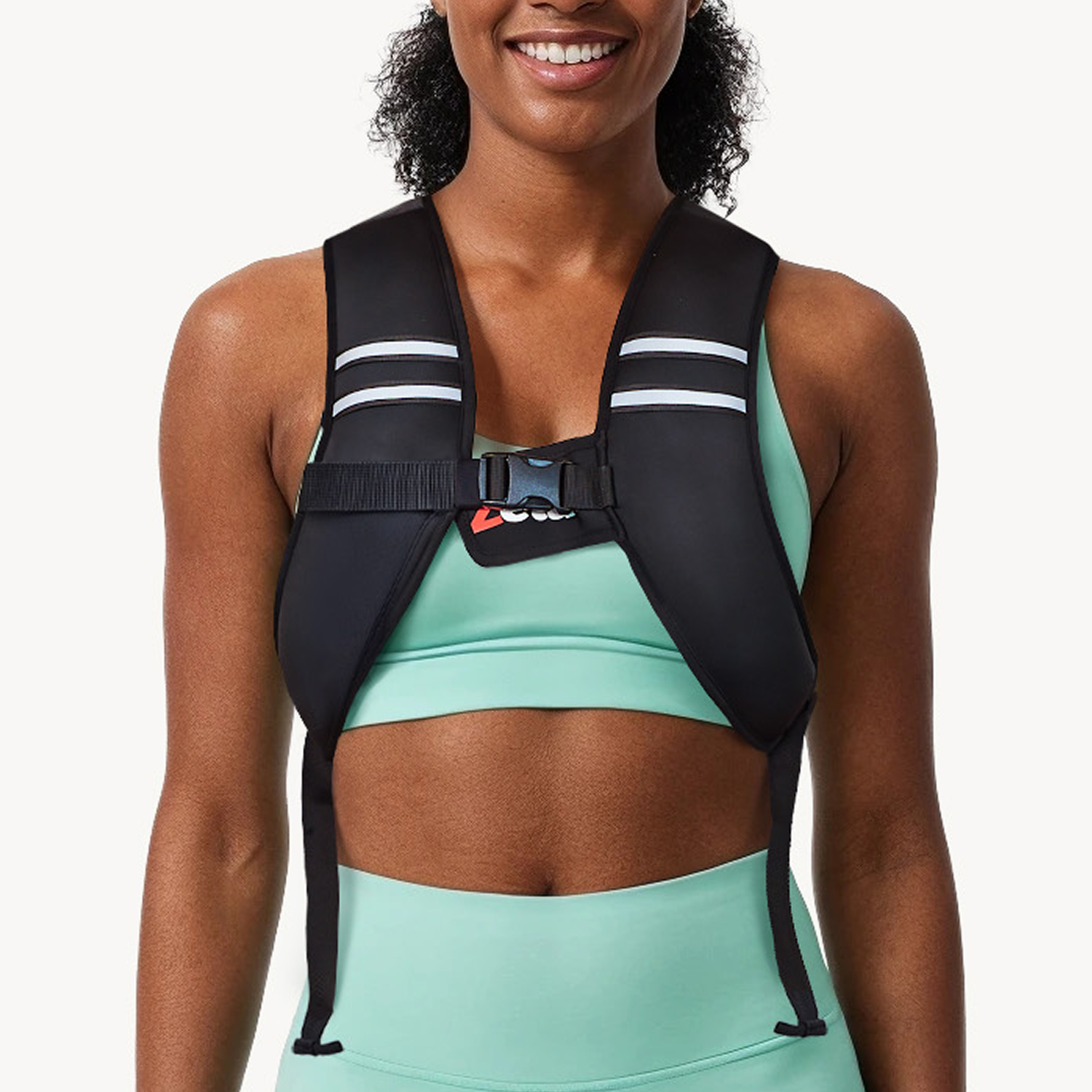
Most heavy vests on the market are bulky, restrictive, and plagued by poor weight distribution that can wreak havoc on your lower back. That is exactly why the fitness community has crowned a new champion this year. Here is a deep dive into the Performance Y-Shaped Weighted Vest from the Zelus Performance series.
What to Look for When Buying a 45 lb Weighted Vest

When purchasing a heavy-duty 45 lb weighted vest, you cannot shop the same way you would for a light 10 or 15 lb weight vest. Carrying an extra 45 lbs puts immense pressure on your frame, meaning any minor flaw in sizing, materials, style, or price will be severely magnified during a workout.
In fact, the January 2026 Survey by Zelus indicates that users overwhelmingly rank Fit & Stability (42%–44%) and Comfort & Breathability (39%–41%) as their absolute top purchase drivers for a reason—at this weight, gear flaws translate directly into pain.
A Simple Guide to Buying Your First Weighted Vest
Sizing and Fit Adjustability
Sizing is the single most critical factor when dealing with a 45 lb load. If a heavy vest doesn't fit your torso perfectly, it becomes a safety hazard rather than a training tool.
This aligns with broader consumer complaints, where more than 40% of users state that a lack of multiple size options is a major unresolved point across the market.
Zelus Weighted Vest Size Chart for Men and Women
- The Danger of Too Large: A vest that is too large or loose will shift, bounce, and sway with every step. With 45 lbs of dead weight, this movement creates a pendulum effect that can easily throw off your balance, chafe your skin raw, and place uneven, sudden torques on your lower back and spine.
- The Danger of Too Small: If the vest is too small, it will sit too high on your chest, severely restricting your lung expansion. When your heart rate spikes during high-intensity training, a restrictive vest can induce claustrophobia and limit your oxygen intake.
- The Necessity of a Wide Adjustment Range: Avoid non-adjustable or limited-adjustment vests. A premium heavy vest must feature a robust, highly adjustable strapping system (usually heavy-duty Velcro or click-buckles) that allows you to micro-adjust the fit. It needs to contour tightly to your torso, whether you are wearing it over a thin t-shirt in summer or a thick hoodie during winter rucks.
The Weighted Vest Sizing Guide: Why 'One Size Fits Most' Isn't Always True
Material Quality and Weight Type
The materials used to construct the vest and the weights inside it dictate both the longevity of the gear and your comfort during grueling training sessions.
- Iron Plates Prone to Rust: Because 45 lb vests are frequently used for outdoor rucking and sweaty high-intensity workouts, weather resistance is vital. Cheap iron plates or blocks that lack proper powder coating will rust rapidly when exposed to sweat and rain, ruining the vest's fabric. This material failure is a leading complaint among iron-block vest users, who frequently cite chemical odors and rust as major issues.
- Rigid Iron Plates Causing Discomfort: Solid, one-piece iron plates offer great stability, but if the vest lacks adequate interior padding, those rigid plates will dig directly into your ribs, collarbones, and spine. Ensure the vest utilizes heavy-duty fabric (like 900D or 1000D Oxford/Cordura) paired with thick, breathable foam padding to cushion your body from the rigid weight.
Style, Bulk, and Aesthetics
How the vest sits on your body and how it looks can drastically change how often you actually want to use it.
- Too Bulky / Cannot Be Worn Discreetly: A 45 lb vest inherently requires physical mass, but poorly engineered vests distribute this mass outward. This prevents you from doing movements like pull-ups (as the vest hits the bar). If you are a "time-starved professional" or an athlete pursuing "invisible training," a bulky vest will fail you; data shows that a slim, low-profile design is the second most requested product upgrade for running and strength disciplines.
- Too Conspicuous or Flashy: Many heavy vests lean heavily into a "tactical" or militaristic aesthetic, covered in webbing, patches, and bright colors. If you prefer to train in public parks or neighborhood streets without drawing unwanted attention or looking too flashy, you'll want to look for minimalist designs.
- Generic and Unattractive Designs: On the other end of the spectrum, cheap vests often look like generic life jackets with zero style, uninspired boxy cuts, and limited color options (usually just flat, dusty black). Choosing a vest with a modern, ergonomic cut (like a Y-shape) ensures you don't feel self-conscious while grinding out miles.
The 14 Questions to Ask Before Buying a Weighted Vest (Plus a 30-Sec Quiz)
Best 45 lb Weighted Vest: Performance Y-Shaped Weighted Vest

When it comes to breaking through training plateaus, average gear won’t cut it. Awarded the Best 45 lb Weighted Vest of 2026, the Performance Y-Shaped Weighted Vest from our Performance series is built for athletes who demand maximum resistance and zero excuses.
Performance vs. Z-Fit™ vs. Classic: One Decision Tree to Rule Them All
Whether you are pushing through a brutal CrossFit WOD, clocking miles on a heavy ruck, or adding raw resistance to bodyweight strength training, this vest delivers the heavy-duty intensity you need.

Performance Y-Shaped Weighted Vest
Engineered for maximum intensity. Features solid iron block adjustments up to 45 lbs, durable 900D Oxford fabric, and an ergonomic Y-shape for unhindered mobility.
Buy Now- Tailored for High-Intensity: Rated at a maximum 5/5 for workout intensity, this vest is engineered to stay secure when you are pushing your absolute limits.
- The Power of the Y-Shape: Designed with an ergonomic Y-Shape, it maximizes your range of motion. Unlike bulky traditional vests, it keeps your shoulders completely free for overhead movements, deep squats, and dynamic sprints.
- Adaptable Iron Resistance: No sandbags, no shifting. Packed with Solid Iron Blocks, the vest offers highly stable, low-noise resistance. Best of all, it's fully adjustable across three elite weight tiers: 23 lb, 36 lb, or the full 45 lb stack.
- Battle-Tested Durability: Built from premium 900D Oxford Fabric paired with high-density foam padding, this vest is tear-resistant, rugged, and engineered to take a beating while maintaining its structure.
What Real Users Say:

“This is definitely a high quality weighted vest that will hold up to the most challenging use cases. While I do a lot of rucking, my primary purpose for purchasing this vest was to use it to supplement my workouts, specifically adding weighted push-ups and pull-ups. The thing that attracted me most to this vest was the design around the shoulders and arms and I was not disappointed, there is plenty of room to move when doing exercises.
Additional qualities that I really appreciate with this vest are that all of the Velcro closures on the vest are very high quality. The Velcro is both thick and strong and will stay in place. Additionally, there is a clip in the front of the vest which can be used for putting-on and removing the vest, while it is a very small thing, the fact that this clip is metal is a very nice touch.
My one small complaint with the vest is the weights that are loaded directly in the front of the vest. For me, wanting to use the vest for push-ups, these weights will slightly impact the depth of the pushup. This is a very small complaint for a limited use case, everything else about the vest is top-notch.”
|
IMAGE |
|
|
MODEL |
|
|
SERIES |
Heavy Training |
|
Performance |
|
|
RECOMMENDED SPORTS |
CrossFit · Rucking · Strength |
|
WORKOUT INTENSITY |
💪💪💪💪💪 |
|
COMFORT |
★★★☆☆ |
|
SHAPE |
Y-Shape |
|
WEIGHT TYPE |
Adjustable |
|
WEIGHT RANGE |
23 / 36 / 45 lb |
|
FILL MATERIAL |
Solid Iron Block |
|
BUILD MATERIAL |
900D Oxford Fabric + Foam |
|
NOISE LEVEL |
Low |
|
COLORS |
1 (Black) |
|
REFLECTIVE STRIPS |
Yes |
|
Cleaning Choice |
Machine wash |
|
POCKETS / STORAGE |
No |
45 lb Weighted Vest vs. Lighter Vests (20–30 lb)

Choosing between a heavy 45 lb vest and a standard 20 to 30 lb vest comes down to your primary fitness goals. While lighter vests are versatile tools built to enhance conditioning and speed, a 45 lb vest is a specialized piece of equipment designed almost exclusively for raw strength, tactical preparation, and absolute power. Understanding how these weight classes differ in intensity, risk, and progression is crucial for maximizing your performance without sustaining an injury.
Training Intensity Differences
The functional gap between a 20–30 lb vest and a 45 lb vest changes the physiological stimulus of your workout. A lighter vest increases your heart rate and caloric burn while allowing you to maintain speed, agility, and high-volume repetitions. It acts as an amplifier for metabolic conditioning, making it ideal for standard CrossFit WODs, agility drills, and faster-paced rucking.
In contrast, a 45 lb vest shifts the stimulus from cardio to structural strength. The sheer mass forces your nervous system to recruit maximum muscle fibers just to keep you upright. Movements become slower, more deliberate, and incredibly taxing on your respiratory muscles, as the heavy plates compress your chest and force you to fight for every breath.
CrossFit Athletes: 23 lb, 36 lb, or 45 lb? Picking Your Competition Weight
The Heavy-Lifter's Guide to Weighted Vests: 30, 45, & 60 lbs Compared
Risk vs. Reward Comparison
Lighter vests offer a highly favorable reward-to-risk ratio for most fitness enthusiasts. They provide enough resistance to trigger muscle growth and bone density adaptations while keeping joint impact manageable. The risk of acute spinal compression or structural fatigue is low, making them safe for extended workouts and dynamic, multi-directional movements.
The 45 lb vest offers massive rewards for elite athletes, specifically in building bulletproof core stability, immense leg power, and real-world tactical endurance. However, the risk profile increases dramatically. The extra 45 lbs places severe axial loading on your spine and intense pressure on your knees and ankles. If your form breaks down due to fatigue, the heavy weight will amplify that poor mechanics, greatly increasing the risk of lower back strains, joint inflammation, or patellar tendinitis.
Progression Strategy from Light to Heavy
To safely bridge the gap between a lighter vest and a 45 lb powerhouse, you must follow a structured progression strategy that allows your connective tissues—which heal much slower than muscle—to adapt.
- Phase 1: Volume Before Load: Do not jump straight to a heavier vest if you are struggling with a lighter one. Ensure you can comfortably complete your entire target routine (e.g., a 5-mile ruck or 100 strict pull-ups) using a 20–30 lb vest without experiencing lingering joint pain the following day.
- Phase 2: Micro-Loading: Utilize an adjustable vest to increase the weight in small increments rather than making a massive 15-to-25 lb leap. Progress from 23 lbs to 30 lbs, and eventually to 36 lbs, spending at least 3 to 4 weeks at each tier.
- Phase 3: Restrict Movement Complexity: When you finally unlock the full 45 lb load, temporarily strip your workouts down to the basics. Begin exclusively with slow, low-impact movements like flat ground walking or strict, slow calisthenics. Avoid explosive jumps, steep descents, or high-rep fatigue until your body completely adjusts to the new structural demand.
Who Benefit Most From a 45 lb Weighted Vest

A 45 lb weighted vest is not an entry-level piece of fitness gear. It adds a massive amount of dead-weight resistance directly to your frame, placing substantial demand on your muscular system, skeleton, and cardiorespiratory endurance. For the average gym-goer, this level of weight is unnecessary and can even be counterproductive. However, for a specific tier of highly conditioned individuals, a heavy vest is the ultimate tool to break through performance plateaus and build elite-level power.
Tactical Athletes and Competitive Ruckers
Military personnel, firefighters, law enforcement officers, and competitive ruckers are among the primary users who genuinely need a 45 lb weighted vest. In these professions, operational readiness means being able to move efficiently while carrying heavy, cumbersome gear. Training with a heavy vest perfectly replicates the load of body armor or tactical packs. Because a Y-shaped vest distributes the weight evenly across the chest and upper back, it allows these athletes to build the specific lower-back, core, and leg stamina required for long-distance rucks without the backward pull of a traditional backpack.
Elite Calisthenics and CrossFit Enthusiasts
For advanced fitness enthusiasts who have mastered bodyweight mechanics, a heavy vest serves as the vehicle for progressive overload. Once an athlete can easily perform dozens of strict pull-ups, dips, push-ups, and air squats, bodyweight training shifts from building strength to building muscular endurance. Introducing a heavy load instantly turns high-rep gymnastic movements back into high-intensity strength builders. CrossFitters preparing for elite competitions use these heavy loads to simulate extreme physical stress, ensuring that standard competition weights feel light by comparison.
Strength Competitors Focused on Explosive Power
Powerlifters, strongman competitors, and field athletes utilize heavy vests to bridge the gap between absolute strength and functional hypertrophy. By wearing the vest during dynamic movements like box jumps, heavy lunges, frame walks, or sled pushes, athletes force their core and stabilizing muscles to fire with maximum intensity. This heavy, hands-free resistance increases vertical drive and ground force production, which directly translates to heavier barbell squats and more explosive athletic movements.
When to Avoid a 45 lb Weighted Vest

While a heavy vest offers undeniable benefits for elite strength and conditioning, it can be highly detrimental if used incorrectly.
High-impact aerobic activities, such as long-distance running or sprinting, should generally not be performed with a 45 lb vest. The repetitive shock of running with an extra 45 lbs puts immense, hazardous stress on the knees, ankles, and spinal discs.
Furthermore, beginners who lack foundational core strength and joint density risk acute strain or compression injuries by jumping straight into the heavy tier.
For safety and longevity, a 45 lb vest is best reserved for low-impact walking, hiking, and strict, controlled strength movements. Because premium vests feature adjustable iron blocks, even advanced athletes should start by utilizing the lighter weight configurations to allow their connective tissues to adapt before unlocking the full load.
6 Reasons Your Weighted Vest Might Be Hurting Your Body
Conclusion
When you are strapped into 45 pounds of pure, dead-weight resistance, there is absolutely no room for gear failure. A cheap, poorly fitting vest will shift, chafe, and turn an intense workout into a hazardous guessing game for your spine and joints. Your training demands a vest that matches your work ethic—one that locks down tight, moves naturally with your body, and survives the absolute brutal conditions of high-intensity training.
The Performance Y-Shaped Weighted Vest earns its title as the best of 2026 because it refuses to compromise. By blending an ergonomic, mobility-focused Y-shape with rock-solid iron block adjustability and battle-tested 900D Oxford fabric, the Heavy Training Pro series delivers everything an elite athlete needs to safely redline their performance. If you are ready to stop training light and start building unbreakable, real-world strength, this is the definitive investment your fitness routine has been waiting for.

Before You Go…
Here are a few handpicked articles to inspire your next self-care moment.