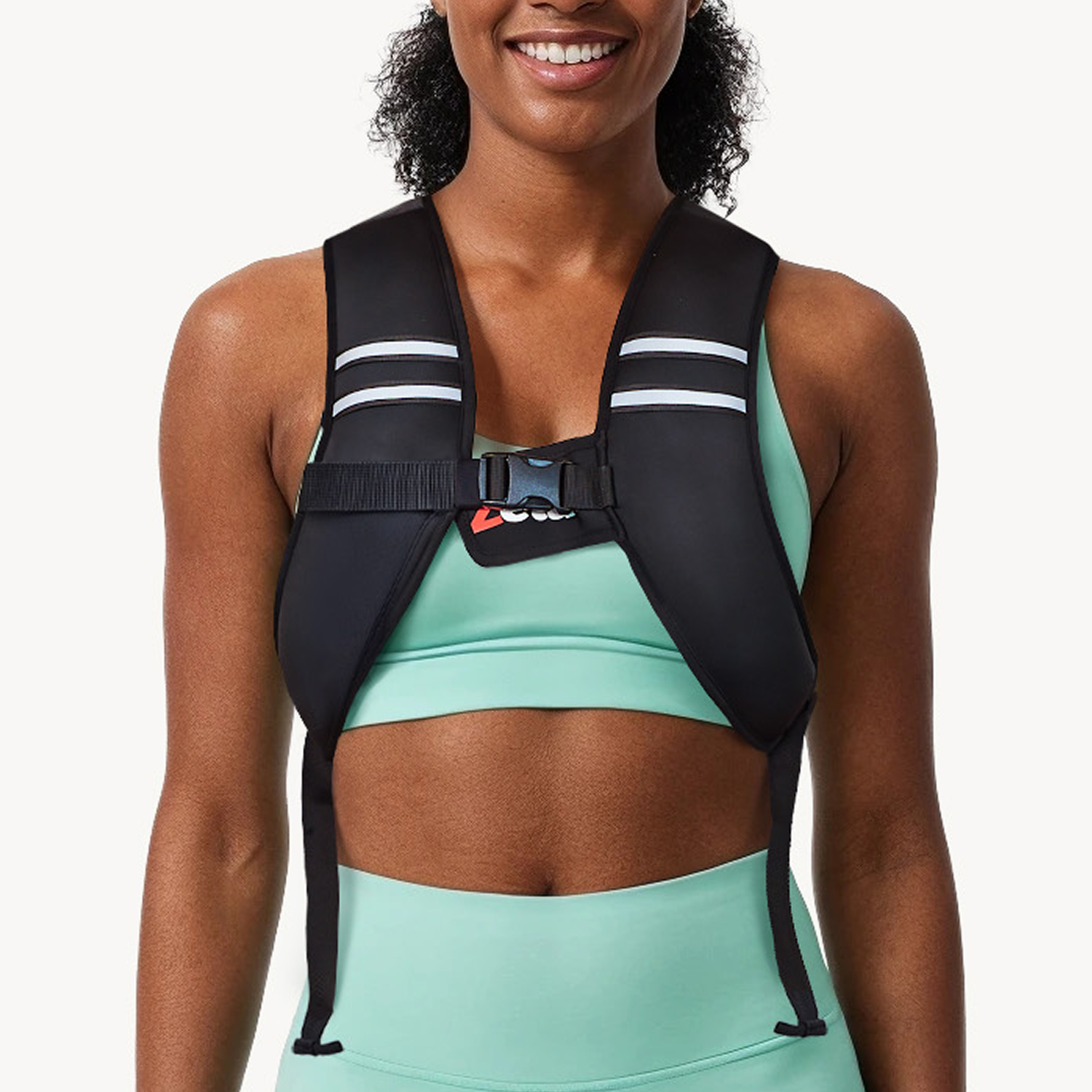
5 Best Adjustable Weighted Vests for Men Walking (2026 Tested)
Walking is one of the best ways to stay fit, but adding an adjustable weighted vest transforms a simple neighborhood stroll into a powerful calorie-torching, muscle-building workout.
Whether you need a joint-friendly option, a rugged weighted vest for rucking, or a budget-friendly pick to elevate your daily steps, here are the 5 best adjustable weighted vests for men.
5 Best Adjustable Weighted Vest for Men Walking
|
Product |
Best For |
Price |
Weight Capacity |
Weight Type |
Material |
|
Large & Tall Men, Tactical Training, Rucking |
$119.99 |
Up to 65 lbs |
Plates (sold separately) |
600D Nylon |
|
|
Zelus Performance Y-Shaped Iron-Block Weighted Vest (23 / 36 / 45 lb) |
Running, High-Intensity Cardio, Endurance |
$129.99 |
23, 36, or 45 lbs |
Solid Iron Blocks |
900D Fabric |
|
Best Budget, Heavy Resistance, HIIT |
$59.99 |
20, 30, or 60 lbs |
Solid Weights |
Reinforced Nylon |
|
|
Walking, Beginners, Men Over 50 |
$99.99 |
Up to 23 lbs |
Removable Iron Bars (10 x 2.2 lbs) |
600D Nylon |
|
|
Intermediate Strength, Bodyweight Workouts |
$189.99 |
Up to 45 lbs |
Removable Iron Bars (20 x 2.2 lbs) |
600D Nylon |
Best Weighted Vest For Large & Tall Men
Zelus Performance Y-Shaped 65 lb Tactical Weighted Vest

Price: $119.99
Engineered for ultimate versatility and high-intensity movement, this tactical Y-shaped vest uses a plate-carrier design to help you build strength, burn calories, and push past training plateaus. The heavy-duty 600D nylon construction features a 4-layer hook-and-loop retention system to lock weight plates firmly in place, eliminating bounce during burpees, box jumps, or rucking.
Key Features
- Massive Capacity: Supports up to 65 lbs of weight plates (empty vest weighs 2.67 lbs; plates sold separately).
- Bounce-Free Fit: Fully adjustable shoulder and waist straps contour tightly to larger and taller frames.
- Tactical Features: Integrated MOLLE webbing for gear attachments, front chest pocket for essentials, and a rear buckle for resistance parachutes.
Best Weighted Vest For Men Running
Zelus Performance Y-Shaped Iron-Block Weighted Vest (23 / 36 / 45 lb)

Price: $129.99
Built for serious athletes seeking a rugged, leak-proof workout solution, the Performance Y-Shaped Iron-Block Weighted Vest features solid, corrosion-resistant iron blocks instead of sand. Wrapped in ultra-durable 900D fabric with 1.2-inch thick foam padding, this vest distributes heavy loads comfortably across your shoulders and torso, preventing hot spots and chafing during long running sessions or explosive workouts.
Key Features
- Leak-Proof Iron Blocks: Uses solid iron weights (10, 16, or 20 blocks) for clean, hassle-free training.
- Pro-Level Durability: Tear-resistant 900D fabric handles extreme weather and heavy daily use.
- Enhanced Safety: Features wide support straps, heavy-duty safety buckles, D-rings, and reflective safety strips.
Benefits of Running With a Weight Vest: Pros and Cons Explained
Best Budget Weighted Vest for Men
Zelus Classic Y-Shaped Heavy-Duty Weighted Vest (20 / 30 / 60 lb)

Price: $59.99
Delivering maximum weight capacity at an unbeatable value, the Classic Y-Shaped Vest gives you heavy-duty progressive resistance without the premium price tag. Designed to avoid restrictive chest pressure, its ergonomic structure allows a full range of motion while holding up to 60 lbs of resistance. Ideal for bodyweight exercises, cycling, HIIT, or breaking through strength plateaus.
Key Features
- Best Value: Maximum weight capability (up to 60 lbs) at an accessible price point.
- Unrestricted Movement: Signature Y-shape minimizes chest constriction while keeping weight centered.
- All-Weather Safety: Built-in high-visibility reflective strips on the front, shoulders, and back for low-light training.
Best Weighted Vest For Men Walking & Men Over 50
Zelus Armor Y-Shaped Adjustable Weighted Vest (23 lb)

Price: $99.99
If you're focused on daily fitness walks, joint-friendly conditioning, or starting a new routine, the 23 lb Armor Vest offers smooth, incremental adjustability. Equipped with 10 removable 2.2 lb solid iron bars, it lets you start light—ideal for men over 50 or those building low-impact resistance—and gradually scale up as your core strength and cardiovascular stamina improve.
Key Features
- Incremental Weight Control: 10 removable 2.2 lb iron bars make it easy to start light and add resistance gradually.
- Joint-Friendly Distribution: Keeps weight balance low and even across the torso to protect traps and shoulders.
- Versatile Comfort: Breathable 600D nylon with cushioned shoulder straps suitable for walking, light jogging, and yoga.
Advice for Men Over 50: Prioritize gradual resistance progression over total capacity. An adjustable vest that allows 1–2 lb incremental adjustments ensures you can build bone density and core stability without irritating your lower back or shoulders.
Does Walking With a Weighted Vest Burn More Calories?
Best Weighted Workout Vest For Men
Zelus Armor Y-Shaped Heavy Adjustable Weighted Vest (45 lb)

Price: $189.99
Designed for trainees who want a complete weighted vest home-workout solution, the 45 lb Armor Vest blends heavy-duty capacity with precision weight management. Featuring 20 removable 2.2 lb iron bars, you can tailor your resistance precisely for different exercises—from lighter loads for walking and cardio to maximum weight for pull-ups, squats, and core conditioning.
Key Features
- 20 Precision Weight Bars: Micro-adjust resistance in 2.2 lb increments up to a total of 45 lbs.
- Comfort & Security: Reinforced 600D nylon with thick foam-padded shoulder straps and heavy-duty hook-and-loop fasteners.
- Multi-Sport Ready: Secure fit handles everything from kickboxing and cycling to heavy bodyweight strength circuits.
How to Choose a Weighted Vest for Men?

Adding a weighted vest to your fitness routine is one of the most straightforward ways to level up your strength, endurance, and overall calorie burn.
However, strapping on the heaviest vest you can find isn't the key to progress—comfort, stability, and load adjustability are what turn a vest into an essential daily training tool rather than a closet paperweight.
Best Weighted Vest Size for Men
Before diving into materials and ergonomics, match your main activity to the recommended weight range and design features:
|
Primary Activity |
Target Weight Range |
Key Features to Prioritize |
|
Daily Walking & Mobility |
10–20 lbs |
Breathable mesh, slim profile, soft shoulder padding |
|
Running & Jogging |
10–23 lbs |
Ultra-snug fit, dual buckle stabilization, zero-bounce design |
|
Strength & Bodyweight (HIIT) |
20–45 lbs |
Freedom of motion around shoulders/chest, reinforced stitching |
|
Heavy Rucking & Tactical |
30–65 lbs |
Steel/iron plate compatibility, heavy-duty nylon (600D+), wide straps |
|
Men Over 50 / Joint Care |
5–20 lbs |
Low center of gravity, highly adjustable incremental weight |
1. Pick the Right Weight Capacity
The primary mistake most men make is starting too heavy. Your muscles might handle a 40 lb vest on day one, but your knees, ankles, and spinal stabilizers need time to adapt to eccentric loading.
- Beginners (5–15 lbs): Ideal for conditioning joints during everyday walking, light mobility drills, and basic bodyweight exercises.
- Intermediate (15–30 lbs): Provides a noticeable push for brisk walking, hiking, stair climbing, and general strength conditioning.
- Advanced (30–65 lbs): Reserved for heavy rucking, tactical drills, and athletes with a solid foundation in strength training.
For general fitness and cardio, target 10% to 15% of your total body weight. If you weigh 180 lbs, a 18–27 lb range is your ideal sweet spot for maximum gain with minimal joint strain.
2. Match the Design to Your Workout Type
Not all vests wear the same way during movement. The cut of the weighted vest dictates your shoulder mobility and how stable the weight feels.
Y-Shaped Vests (Best for Running & Functional Fitness)
A Y-shaped or open-chest design leaves the arms and chest unencumbered. By anchoring the weight close to your core without restricting shoulder blade movement, Y-shaped options (like the Zelus Armor Series) excel at running, push-ups, pull-ups, and agility movements where full range of motion matters.
Tactical Plate Carriers (Best for Rucking & Heavy Loading)
Tactical designs use flat steel plates slotted into front and rear bulkheads. They are built like tanks out of high-density fabric (e.g., 600D or 900D Cordura nylon) and hold massive weight securely. However, their boxier silhouette makes them feel stiffer during casual walks or quick arm-swinging movements.
3. Solid Iron Blocks vs. Sand Filling

The filler material dictates how compact the vest sits on your chest and how long it lasts:
Iron Sand vs. Silicone-Iron vs. Solid Iron Blocks: Which Weighted Vest Is Better?
Solid Iron Blocks / Steel Plates
Compact, indestructible, and completely static. Because solid metal takes up very little volume, the vest stays low-profile and won't shift around when you move.
Sand Bags
- Softer, More Forgiving Cushioning: Sand contours to your chest and shoulders, creating a flexible, softer surface against your body that eliminates hard pressure points during floor exercises or core work.
- Budget-Friendly: Sand is significantly cheaper to produce than machined solid iron or steel plates, making sand-filled vests an accessible, cost-effective entry point for beginners.
- Easier on Joints for Casual Walking: The slight flex of sand bags absorbs minor impacts, providing a gentler feel for low-impact activities like casual walking or light daily movement.
4. Key Ergonomic Features to Inspect
- Adjustable Compression Straps: A loose vest will bounce against your chest and chafe your shoulders. Look for dual waist belts or side buckle systems that pull the vest flush against your ribs.
- Low Center of Gravity: Keep the mass positioned mid-torso rather than riding high around your neck or hanging low past your belt line.
- Padded Shoulder Straps: Heavy weights press directly onto the trapezius muscles and clavicle. Thick neoprene or dense EVA foam padding prevents chafing during long walks.
Final Buyer's Checklist
Before making your purchase, verify that the vest checks all these boxes:
- Can you easily add or remove small weight blocks/plates as you progress?
- Does the adjustment mechanism wrap tightly around the waist?
- Is the shell constructed from heavy-duty nylon capable of handling sweat and outdoor elements?
- Does the cut allow your shoulders to rotate freely for exercises like overhead presses or natural arm swings while walking?
Are Weighted Vests Worth It for Seniors and Osteoporosis?

Weighted vests have exploded in popularity as a tool for improving bone density, balance, and leg strength, especially for older adults concerned about osteoporosis. But are they actually safe and effective for someone in their 50s or beyond?
What Does Science Say?
The research on weighted vests for seniors is actually mixed, with studies pointing in both directions:
The Potential Benefits
- Stronger Legs & Feet: Studies show noticeable improvements in lower-body strength (legs, ankles, and feet).
- Better Balance: Extra load forces stabilizing muscles to work harder, which can enhance overall balance.
- Bone Density Support: Weight-bearing exercise stimulates bone remodeling, which can help slow down or preserve bone density in osteoporosis.
The Drawbacks & Risks
- Inconsistent Results: Some trials found no significant improvement in bone density compared to standard exercise.
- Joint Discomfort: For individuals with pre-existing arthritis in their knees or hips, the added compressive load can aggravate joint pain—especially during high-impact activities like walking or running.
- Postural Strain: Top-heavy vests pull down on the shoulders, which can worsen forward-leaning posture or cause upper back soreness.
When to Use (and Avoid) a Vest
According to personal trainer Brad Kowitch and physical therapy experts, weighted vests for Osteoporosis can be a fantastic progression tool for bodyweight exercises—if your body is ready for them.
Skip the vest if you have:
- Active hip, knee, or ankle arthritis
- Poor baseline posture (forward head/rounded shoulders)
- Weak core stability
Consider the vest if you have:
- A solid bodyweight movement baseline
- Healthy joints and good spinal alignment
- A desire to add extra resistance to strength training
Following Medical Advice & Safety Guidelines
- Consult a physician, orthopedic specialist, or physical therapist to review your DEXA scan (T-score) and spinal health before buying or wearing a vest.
- Begin with just 1% to 3% of your total body weight (or roughly 2 to 5 lbs). Never jump straight into heavy loads, and cap walking resistance at 10% maximum.
- If you experience any sharp joint pain, lower back aches, or numbness, stop immediately and remove the vest.
Ready to Level Up Your Walk?
Stepping up your daily routine with an adjustable weighted vest is one of the smartest, lowest-impact ways to build functional strength, boost your cardiovascular health, and burn extra calories. The beauty of an adjustable model is that it grows with you—allowing you to scale the resistance safely as your body adapts.
Whether you need the joint-friendly, incremental progression of the Zelus Armor 23 lb Vest to protect your shoulders, or you're ready to tackle heavy, intense rucking sessions with the Zelus Performance 65 lb Tactical Vest, the right gear comes down to your personal fitness goals and frame.
Before You Go…
Here are a few handpicked articles to inspire your next self-care moment.