Best Weighted Vest for Seniors: Buying Guide & Top Picks
In recent years, more seniors have started using weighted vests as part of their wellness routines. The added resistance can help support bone health by stimulating bone density, which is especially important in reducing the risk of osteoporosis. At the same time, wearing a weighted vest can improve balance, posture, and overall muscle strength—key factors in maintaining independence and reducing the risk of falls.
However, not all weighted vests are suitable for older adults. Choosing the right vest is essential to ensure both safety and comfort. A well-designed vest should be lightweight, adjustable, and easy to put on and remove, with proper padding to prevent strain on the shoulders and back. With the right choice, a weighted vest can become a simple yet powerful tool for supporting long-term health and mobility.
Benefits of Weighted Vests for Seniors
Weighted vests offer a simple yet effective way for older adults to stay active while adding gentle resistance to everyday movements. Unlike traditional strength training equipment, a weighted vest can be used during normal activities like walking or light exercise, making it especially practical for seniors who want to improve their fitness without putting excessive strain on their joints.
Improve Bone Density
Light resistance from a weighted vest helps stimulate bones, encouraging them to stay strong and dense over time. This is particularly important for seniors, as bone density naturally decreases with age. Regular use can play a supportive role in reducing the risk of osteoporosis and maintaining overall skeletal health.
Weighted Vests for Menopause: What You Need to Know
How Weighted Vests Affect Bone Health and Weight Loss
Does a Weighted Vest Improve Bone Density?
Enhance Strength & Mobility
Wearing a weighted vest during daily activities helps engage muscles more effectively, supporting the maintenance of muscle mass. This added strength can translate into better mobility, making everyday tasks like walking, climbing stairs, or carrying groceries feel easier and more manageable.
Better Balance & Stability
A weighted vest can improve body awareness, posture, and coordination by encouraging proper alignment during movement. Over time, this can enhance balance and stability, which are critical for reducing the risk of falls—one of the most common concerns for older adults.
Low-Impact Exercise Option
For seniors who need to avoid high-impact workouts, weighted vests provide a safe alternative. They allow users to increase exercise intensity without added stress on the joints, making them ideal for walking, light training, or gentle fitness routines.
Key Features to Look for in a Weighted Vest for Seniors
Choosing the right weighted vest is essential for ensuring both safety and comfort, especially for older adults. The ideal vest should provide gentle resistance without causing strain, while also being easy to use during daily activities like walking or light exercise.
Lightweight Design (5–15 lbs)
Seniors should start with a lighter vest, typically between 5–15 lbs, to avoid unnecessary stress on joints and muscles. Beginning with a low weight allows the body to adapt gradually, reducing the risk of discomfort or injury. Over time, the weight can be increased slowly as strength and confidence improve.
Adjustable Weight
An adjustable vest offers flexibility for different fitness levels and changing needs. Seniors can start with minimal resistance and gradually add weight as they build strength. This makes the vest safer for long-term use, as it supports steady progression without overloading the body.
Comfortable Fit & Padding
Comfort is a top priority. A good vest should include adequate shoulder padding and distribute weight evenly across the torso to prevent pressure points. Breathable materials also help keep the body cool, making it more comfortable to wear for longer periods.
Easy to Put On & Remove
Simplicity matters, especially for seniors with limited mobility or joint stiffness. Vests with front zippers, Velcro, or buckle closures are much easier to put on and take off compared to overhead designs, reducing frustration and improving usability.
Secure Fit (No Bounce)
A properly fitted vest should stay close to the body without shifting or bouncing during movement. This stability is important for maintaining balance during walking and helps prevent unnecessary strain or potential injury.
Best Weighted Vests for Seniors (Top Picks)
Z-Fit™ X-Shaped Weighted Vest

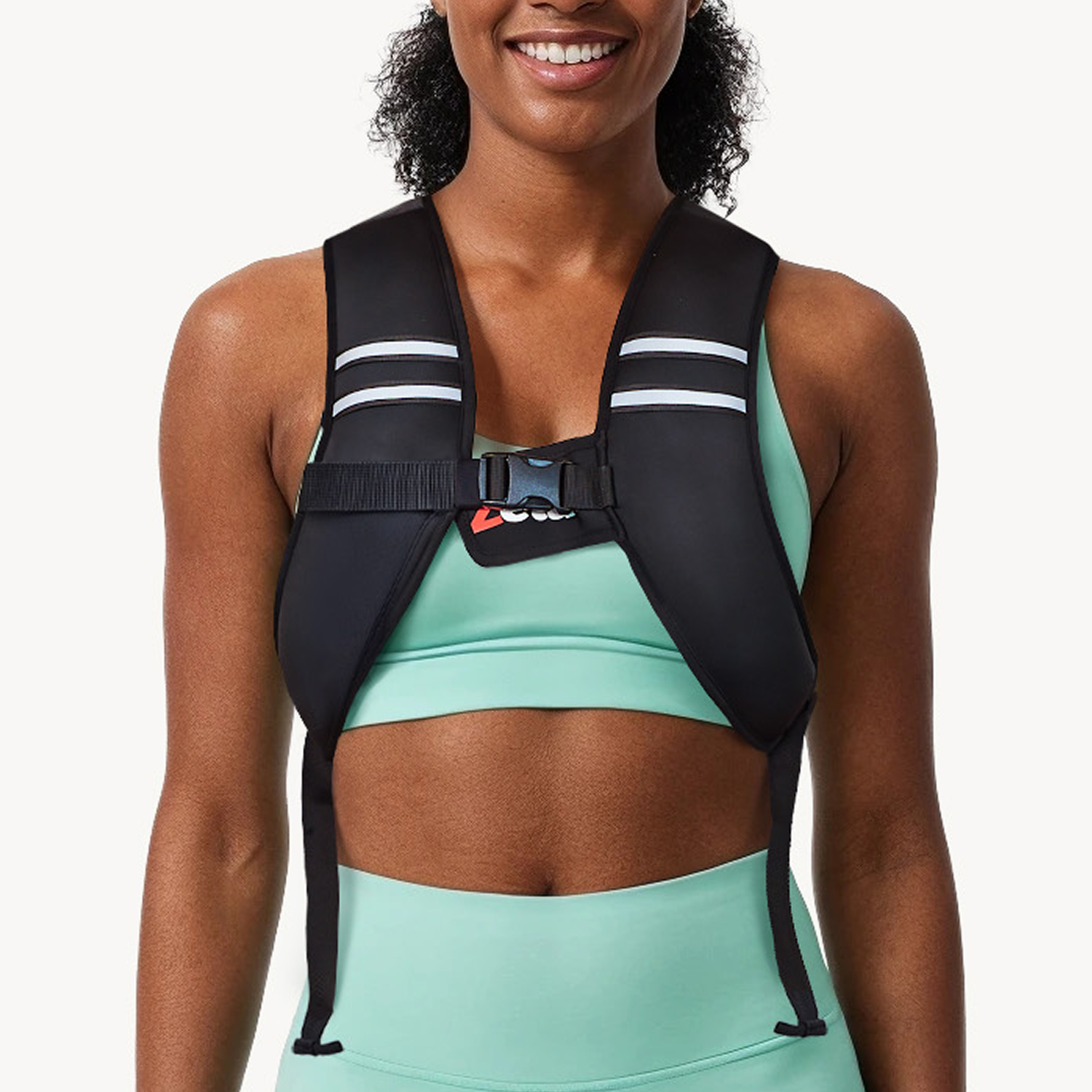
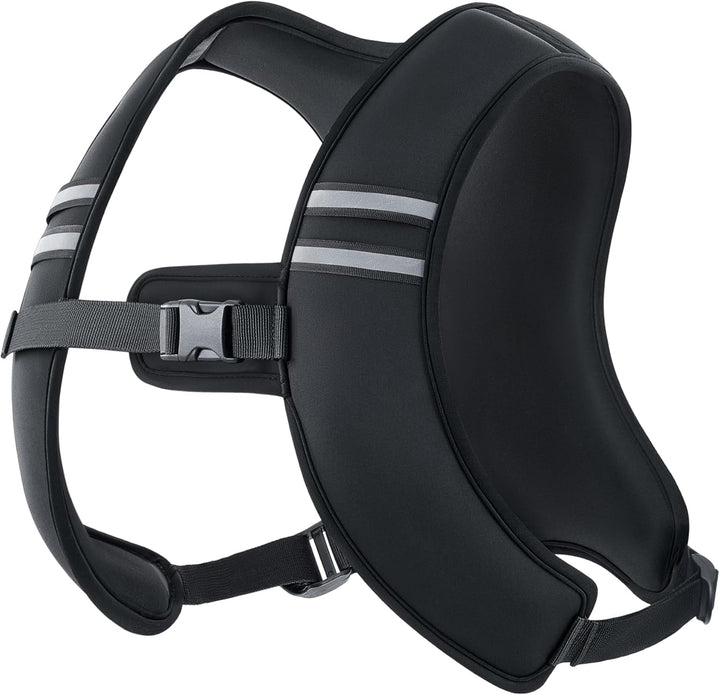
The Z-Fit™ X-Shaped Weighted Vest is an excellent choice for seniors thanks to its thoughtful design focused on comfort, safety, and ease of use.
Unlike traditional bulky vests, it uses innovative soft iron material that distributes weight evenly across the body. This helps reduce pressure points, prevents shifting during movement, and minimizes friction—making it ideal for longer wear during walking or light exercise.
One of its standout features is the ultra-thin and flat profile, which allows for a snug, body-hugging fit without restricting movement. Seniors can comfortably wear it during daily activities like walking, yoga, or gentle strength training.
The ergonomic X-shaped design further enhances stability, ensuring the vest stays securely in place without bouncing—an important factor for maintaining balance and preventing strain.
The vest is also designed with adjustable buckle straps, accommodating chest sizes from 32.3" to 39.4", making it easy to customize the fit. Its soft, breathable spandex fabric improves comfort, while reflective strips add an extra layer of safety for outdoor use, especially in low-light conditions.
Z-Fit™ Flex Weighted Vest

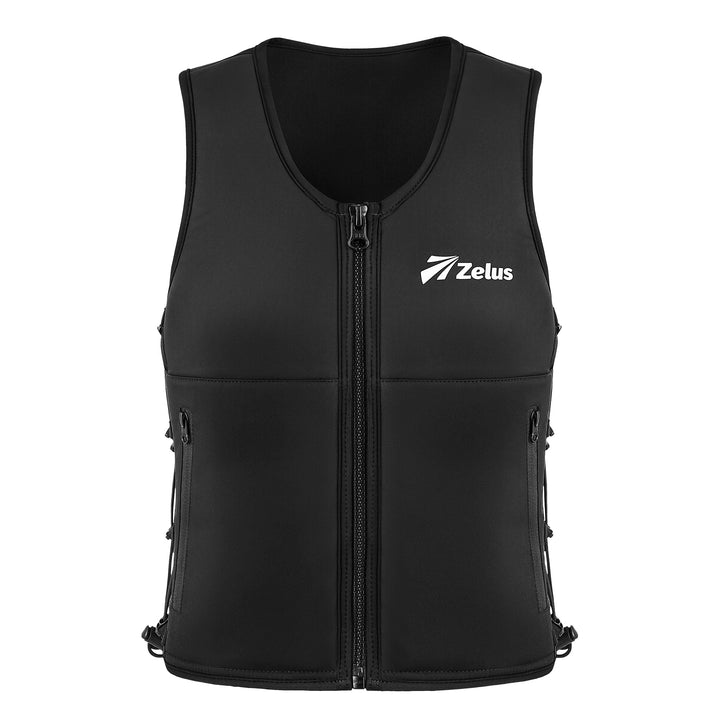
The Z-Fit™ Flex Weighted Vest is a thoughtfully designed adjustable weighted vest that helps seniors safely add resistance to everyday movement and light workouts. Whether used for walking, home exercises, or daily activities, it provides a simple way to improve strength, balance, and overall mobility without placing excessive stress on the body.
This vest uses soft-touch Z-Fit soft iron weights that slide easily into built-in pockets, eliminating the need for clips or complicated adjustments. The evenly distributed load helps reduce pressure points, while the flexible design supports natural movement during exercise. It is especially beneficial for seniors who want a low-impact way to stay active and support bone health, helping reduce risks associated with conditions like osteoporosis.
Designed with comfort in mind, the vest contours to the body without creating chest pressure, making it suitable for extended wear. The stretchy Lycra fabric helps reduce shoulder strain, while the relaxed crew neck and adjustable cords ensure a secure yet comfortable fit. This makes it easy for seniors to put on and adjust without assistance.
In addition to comfort, the Z-Fit™ Flex Vest is built for practicality. It is machine-washable for easy care, and includes a rear reflective strip for added safety during outdoor walks. A zippered pocket also provides convenient storage for small essentials like keys or cards.
Product Comparison Table
|
Feature |
Z-Fit™ Flex Weighted Vest |
Z-Fit™ X-Shaped Weighted Vest |
|
Image |
 |
 |
|
Weight Options |
10 lb / 15 lb |
5 lb / 10 lb / 15 lb |
|
Design Type |
Soft, body-contouring fitness vest |
Ergonomic X-shaped structured vest |
|
Weight System |
Slide-in soft iron weights |
Fixed soft iron weight system |
|
Fit Style |
Curved fit, reduces chest pressure |
Secure compression-style fit |
|
Adjustability |
Adjustable cords for personalized fit |
Adjustable buckle straps |
|
Comfort Level |
Very high (stretch Lycra fabric) |
High (flat, ultra-thin design) |
|
Best For |
Walking, daily wear, light HIIT, seniors |
Walking, posture support, stable training |
|
Movement Freedom |
More flexible & relaxed |
More stable & locked-in feel |
|
Breathability |
Higher (stretch fabric) |
Moderate |
|
Safety Features |
Reflective strip + zipper pocket |
Reflective strips + secure buckle system |
|
Ease of Use |
Very easy to wear/remove |
Easy but slightly more structured |
|
Ideal User |
Seniors or beginners prioritizing comfort |
Users wanting more stability and control |
Safety Tips for Seniors Using Weighted Vests
Using a weighted vest can be highly beneficial, but safety should always come first. Seniors should approach this type of training gradually and mindfully to avoid strain or injury while still gaining the full benefits.
Start Light
It’s important to begin with a manageable weight—typically around 5–10% of your body weight. Starting light allows your body to adapt to the added resistance and reduces the risk of joint stress or muscle soreness.
Use for Walking First
Before trying more advanced exercises, seniors should use the vest during simple activities like walking. This helps build strength and confidence safely, without the added risk that comes with intense or high-impact workouts.
Maintain Proper Posture
Good posture is essential when wearing a weighted vest. Keep your shoulders back, chest up, and spine in a neutral position. Proper alignment helps distribute the weight evenly and prevents unnecessary strain on the back and neck.
Consult a Doctor
Seniors with existing health conditions—especially osteoporosis or joint issues—should consult a healthcare professional before using a weighted vest. This ensures the exercise routine is safe and appropriate for their individual needs.
FAQ
Should a 70 year old wear a weighted vest?
A weighted vest can be a useful tool at 70—but only when it is light, gradual, and medically appropriate.
Is a weighted vest ok for scoliosis?
A weighted vest can be used with scoliosis, but it is not automatically a good or safe choice for everyone. For mild, stable scoliosis, a very light weighted vest may sometimes be used in a controlled way (often during walking or posture training) to encourage core engagement and improve awareness of upright posture. In these cases, it must be carefully introduced and kept at a very low weight.
How heavy should a weighted vest be for a 65 year old woman?
For a 65-year-old woman, a weighted vest should be kept very light to ensure safety and comfort, typically starting at around 1–3% of body weight or roughly 3–5 lbs for most beginners, with the option to gradually progress up to about 8–10 lbs if well tolerated.
How long should I walk with a 20 lb weighted vest?
A safe starting point is usually 10–20 minutes of walking at a comfortable pace, 2–3 times per week, focusing on maintaining good posture and steady breathing. As your body adapts over several weeks, you may gradually increase to 30–45 minutes per session, but only if you remain pain-free and stable throughout the movement.
What do chiropractors think of weighted vests?
Many chiropractic and spine specialists agree that a properly used weighted vest can support low-impact exercise like walking, improve general strength, and may help stimulate bone loading, which is beneficial for conditions like osteoporosis.
Some experts also note that adding light, evenly distributed weight can encourage better posture and engage core muscles during movement, which may be helpful for overall spinal support when used correctly.
What organ is most affected by scoliosis?
While scoliosis is primarily a spinal condition, its most important organ impact is on respiratory function via the lungs, especially when the curvature is pronounced.
What is the rule for weighted vests?
A commonly used guideline is the 5–10% body weight rule for beginners. For example, if someone weighs 150 lbs, they would start around 7–15 lbs.
Many fitness and rehab professionals recommend beginning at the lower end (even 2–5% for seniors or beginners) and only increasing gradually as strength, balance, and tolerance improve.
Before You Go…
Here are a few handpicked articles to inspire your next self-care moment.