

Z-Fit™ Y-Shape Weighted Vest: A 6-Month Performance & User Experience Guide
If you’ve spent more than five minutes on fitness social media lately, you’ve probably seen these vests everywhere. As an avid walker, Pilates instructor, and functional training specialist, my curiosity got the best of me. How does it actually feel over the long haul? Does it accelerate fat loss? And will it truly rebuild that strong, upright "goddess" posture?
To keep things scientific, I added a Z-Fit™ Y-Shape weight vest directly onto my existing routine: I was already in a consistent calorie deficit, hitting my weight training sessions, and averaging at least 10,000 steps a day. My goal was simple: wear the weight vest for at least 30 minutes of my daily walking consistently over a 6-month period.
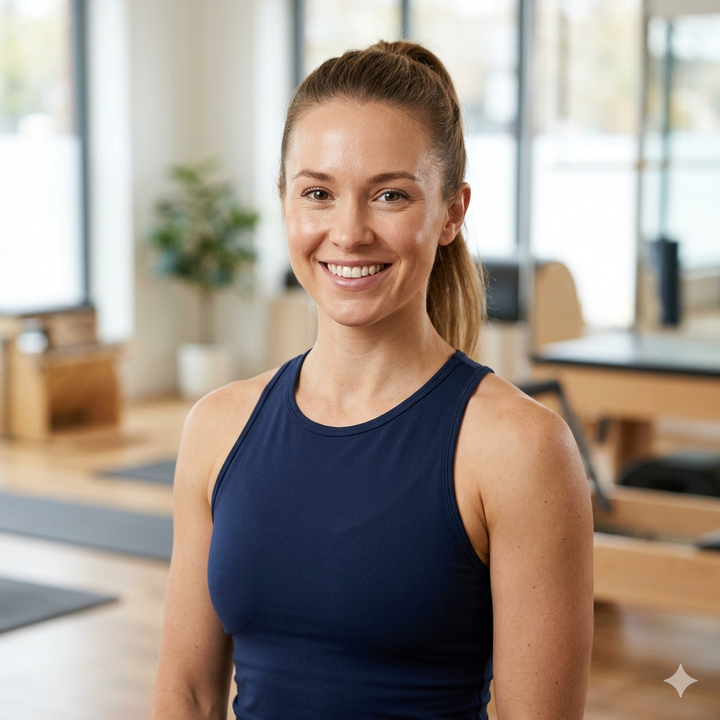
Meet Your Guide: Elena

My name's Elena. I'm a certified functional training specialist, Pilates instructor, and core rehabilitation advocate. To master the science of human movement and core stabilization, we had to pass rigorous functional biomechanics boards—learning how to activate the deep stabilizing muscles under high-intensity loads, where a single biomechanical misalignment can completely ruin a heavy squat or cause lower back injury.
So, I've got real-world experience with functional strength, posture correction, and injury prevention. Over the past six months, I have put multiple progressive loading routines to the test, most recently incorporating the Z-Fit™ Y-Shape vest into daily athletic walks and low-impact functional flows to see how a lightweight, consumer-friendly setup can enhance posture, boost bone density, and build a bulletproof core for everyone.
What is Rucking?

The term "rucking" comes from the military, where soldiers carry heavy rucksacks over long distances. Today, the term is thrown around for any type of walking with added weight.
The concept is simple: any extra load makes your body work harder, which increases your metabolic demand and your calorie burn. Many people find a weighted vest for rucking is a far more comfortable, hands-free method to add resistance during cardio compared to holding dumbbells or wearing awkward ankle weights.
Rucking vs Weight Vest: Which Is Better?
Weighted Vest vs. Rucksack: Which Is Better for Rucking and Walking?
The Pros
- Increased Calorie Burn: Adding weight vests means burning more energy. Research shows that adding about 10% of your body weight increases your energy expenditure by roughly 10%. If you normally burn 200 calories on a walk, a vest might bump that to 220. It's a modest boost, but those calories add up over time (though you still need a calorie deficit to lose fat!).
- Convenience & Focus: A vest leaves your hands free and doesn't alter your natural walking gate. It also preserves your mental bandwidth; a Stanford study showed that comfortable walking can boost creative thinking by up to 60%. While wearing my vest, my mind was still mostly free to wander, though slightly less than when walking completely unburdened.
- Low-Intensity Muscle Engagement: Walking with an extra load forces your legs (quads, calves) to push harder, while your core and upper back (especially your traps) work constantly to stabilize the load. It won't build massive bodybuilder muscle, but if you don't do any strength training, it is enough stimulus to trigger some minor muscle hypertrophy (growth) and build muscular endurance.
- Increased Bone Density: Walking is already a great weight-bearing exercise, but adding a weighted vest provides a vital extra stimulus for your skeletal system. As we age, both men and women experience a natural decline in bone mineral density, which increases the risk of fractures. Research indicates that loading the spine and hips with targeted, progressive resistance signals the bone-building cells (osteoblasts) to lay down new bone tissue. While the increase is often modest—studies show that long-term vest training can boost hip bone density by about 4%—every percentage point counts when it comes to building a resilient, fracture-resistant skeletal frame for the future.
The Cons
- Physique Imbalances: Weighted walking is highly repetitive. It puts extra emphasis on your quads, calves, and traps, but does virtually nothing for your chest, biceps, or glutes. If you want a balanced, sculpted physique (like building a rounder glute shape), a weighted vest alone won't get you there.
- Injury & Balance Risks: A weighted vest raises your center of gravity, which can make you feel a bit tipsy. If you struggle with balance, have existing neck or back issues, or suffer from plantar fasciitis, adding vertical load can worsen these conditions.
6 Reasons Your Weighted Vest Might Be Hurting Your Body
The 6-Month Journey: From "CIA Agent" to Functional Strength

The First Weeks
Putting on the vest for the first time is incredibly empowering. Standing in my living room, I immediately felt like a badass. There’s an undeniable vibe—you step outside for a nature walk, and you feel like a secret agent on a mission.
I turned on my favorite walking playlist (ABBA’s "Lay All Your Love on Me" is an absolute must-have) and hit the pavement. Within minutes, I noticed two distinct physical sensations:
- Deep Grounding: It felt like my feet were physically being pressed firmly into the earth.
- Automatic Core Activation: Because the weight pulls on your torso, your deep core and pelvic stabilizers have to fire automatically just to keep you upright.
By the 30-minute mark of those first few walks, my shoulders and upper back (especially my trapezius muscles) were feeling a dull, heavy fatigue. I was instantly excited about the posture-correcting potential of this tool.
Weighted Vest Core Strength: Benefits, Exercises & Workouts Guide
Months 1–2
In the early weeks, I often woke up feeling like I had spent twelve hours walking around Disneyland with a heavy backpack. What surprised me most was a distinct, deep soreness in my glutes. Yes, your glutes! Even as someone who lifts weights regularly, the constant gravity-resisted pushing off the ground gave my backside a major wake-up call.
As the weeks turned into months, my body adapted. When family visits or a hectic schedule meant I couldn't make it to the gym, I strapped on the vest and spent 30 minutes walking up and down steep driveways while listening to an audiobook. On rainy days, I took it to the treadmill—cranking the incline to maximum for a few minutes, then dropping it back down to walk fast.
Can You Wear a Weighted Vest on a Treadmill?
Elena’s Pro-Tip: The weighted vest is the ultimate "short on time" hack. On days when you can't make it to the gym, throwing on a vest instantly upgrades a basic outdoor walk into a productive resistance session.
The 6-Month Results: What the Vest Actually Delivers

Now that the 6 months have come and gone, let's look at the science of what actually happened to my body over half a year of consistent loading.
1. The Calorie Reality Check
Let's bust the myth that a weighted vest is a fat-loss miracle.
- A 150-pound person walking briskly for 30 minutes burns roughly 179 calories (358 calories per hour).
- Add a 15-pound vest, and that same 30-minute walk burns roughly 196 calories (392 calories per hour).
That is a difference of about 17 to 35 calories per workout. Over 6 months of daily walking, those extra burned calories definitely compound into real fat-loss support! Just remember: my tighter "after" physique was primarily driven by my consistent calorie deficit—the vest was simply a fantastic booster.
Does Walking With a Weighted Vest Burn More Calories?
2. The Longevity Shield: Bone Density
As a women's health advocate, this is what excites me the most. Most women don't realize that our bone density peaks around age 30 and then gradually declines, a process that accelerates rapidly during menopause.
If you don't load your bones, you lose them. Walking with a weighted vest over 6 months applies a safe, continuous axial load straight down your spine and hips. This gentle, consistent stress signals your bone-building cells to strengthen your skeletal frame, acting as a powerful preventive tool against osteopenia and osteoporosis.
Does a Weighted Vest Improve Bone Density?
3. Cardiovascular Challenge & Aerobic Base
Over 6 months, the extra weight forced my heart and lungs to work just a little bit harder. It raised my heart rate into a gentle zone 2 aerobic state without the joint-pounding stress of running, making it an excellent tool for building cardiovascular endurance and improving my overall VO2 max.
4. The "Float" Effect
This is the most fun side effect: when you wear a 15-pound vest consistently for 6 months and then suddenly take a walk without it, you feel like you are floating. Your body feels completely weightless, light, and incredibly fast.
Safety & Professional Recommendations
Are there downsides? Honestly, none—as long as you use it mindfully.
By the end of the 6 months, I was admittedly excited to have some days walking without the vest. Wearing it day after day for half a year can become mentally taxing. Just because you own a weighted vest doesn’t mean you need to wear it for every single walk. It is a training tool, not a uniform.
How to Start Safely:
- Do not jump straight to 15 or 20 pounds. I am highly physically fit with a strong core and back, so 15 pounds worked for me. If you are new to this, start with 5% to 8% of your body weight (often 6 to 8 pounds) for just 15 to 20 minutes.
- Rotate its use. I will absolutely keep using my vest, but I plan to wear it 2 to 3 days a week to upgrade specific walks, hikes, or summer stair workouts, leaving the rest of my walks unburdened to let my mind wander.
If you are looking for a simple, highly effective way to elevate your cardiovascular health, wake up your posture, and protect your bones, a weighted vest is a stellar addition to your fitness toolkit.
A Simple Guide to Buying Your First Weighted Vest
6-Month Design & Performance Analysis: Z-Fit™ Y-Shape
In my quest to find the right training load, I’ve tried cheap $23 fabric vests (which tend to flop around and bounce annoyingly when you move), heavy-duty 20-pound canvas military vests (which are durable but seriously chafe your shoulders if you aren't wearing a thick t-shirt), and ultra-premium $100+ options.
The Z-Fit™ Y-Shape strikes a practical balance between ergonomic distribution and daily usability. Here is how its specifications map out:

| Feature | Z-Fit™ Y-Shape Specs |
| Recommended Sports | CrossFit, HIIT, Walking, Rucking |
| Workout Intensity | Moderate to High Load |
| Design Shape | Ergonomic Y-Shape (Reduced Chest Pressure) |
| Weight Range | Adjustable (8 to 32 lbs) |
| Fill Material | Z-Fit™ Silicone-Iron (Silent & Shift-Free) |
| Care | Water Washable Surface |
- No Chafing, No Canvas Burn: Unlike stiff canvas vests that require thick shoulder pads, the Z-Fit™ Y-Shape uses a Soft Silicone Skin. You can wear this over light activewear without getting raw friction burns on your traps.
- Zero Bounce (The Y-Shape Advantage): Traditional square vests often sag or flop side-to-side when you twist or pick up the pace. The Z-Fit's Y-shape hugs your upper torso closely, keeping the weight anchored near your center of gravity.
- Quiet, Adjustable Loading: It features an adjustable weight range of 8 to 32 lbs. Instead of noisy sandbags that leak or metal plates that clank, these soft iron weights fit snugly without shifting during movement.
- Chilling Options for Heat Management: Walking under the hot sun in a heavy vest can lead to overheating. The Z-Fit™ blocks can be pre-cooled before outdoor walks to provide initial heat relief during summer workouts.
3 Best Zelus Cooling Weighted Vests for Summer
Who It’s Best For (And Who Should Pass)
- Great For: Fitness walkers, runners, and Pilates enthusiasts looking to build bone density, improve posture, and add progressive resistance without bulk.
- Not Ideal For: Individuals with active cervical spine injuries, severe balance issues, or those seeking extreme powerlifting/heavy tactical plate loading (over 45 lbs).
Final Thoughts
After six months of incorporating the Z-Fit™ Y-Shape into daily walks, treadmill climbs, and backyard strength sessions, it has proven to be a durable, highly functional tool for long-term health and functional loading.
What stands out most is its ergonomic consideration. The Y-shape balance reduces suffocating chest pressure common in traditional vests, while the soft skin material makes training comfortable over long distances. If your goal is to support bone health and elevate daily walking, it serves as a well-engineered addition to your home fitness setup.
Before You Go…
Here are a few handpicked articles to inspire your next self-care moment.


