Rucking with a 60 lb Weighted Vest: Is It Worth It? (Honest Field Test)
What’s up, strong people! Today, we’re talking about an absolute unit of a fitness tool: a 60 lb weighted vest that the folks at Zelus were brave enough to send my way. And let me tell you, just putting this thing on makes me feel heavier before I've even taken a single step.
If you’ve gotten to the point where push-ups feel like warm-ups and your daily dog walks feel like a casual stroll in the park, you’ve probably considered stepping up your game. You wouldn't be alone, either—according to Zelus 2026 consumer data surveying 1,069 weighted vest users, a massive 33% to 38% of people are now taking their vests out of the gym specifically for hiking and rucking.
Is loading your spine with a massive 60 lbs worth the sweat, or are you just paying to punish your joints? Below, I’m giving you the raw, unfiltered truth from my latest field test. Let's get into it.
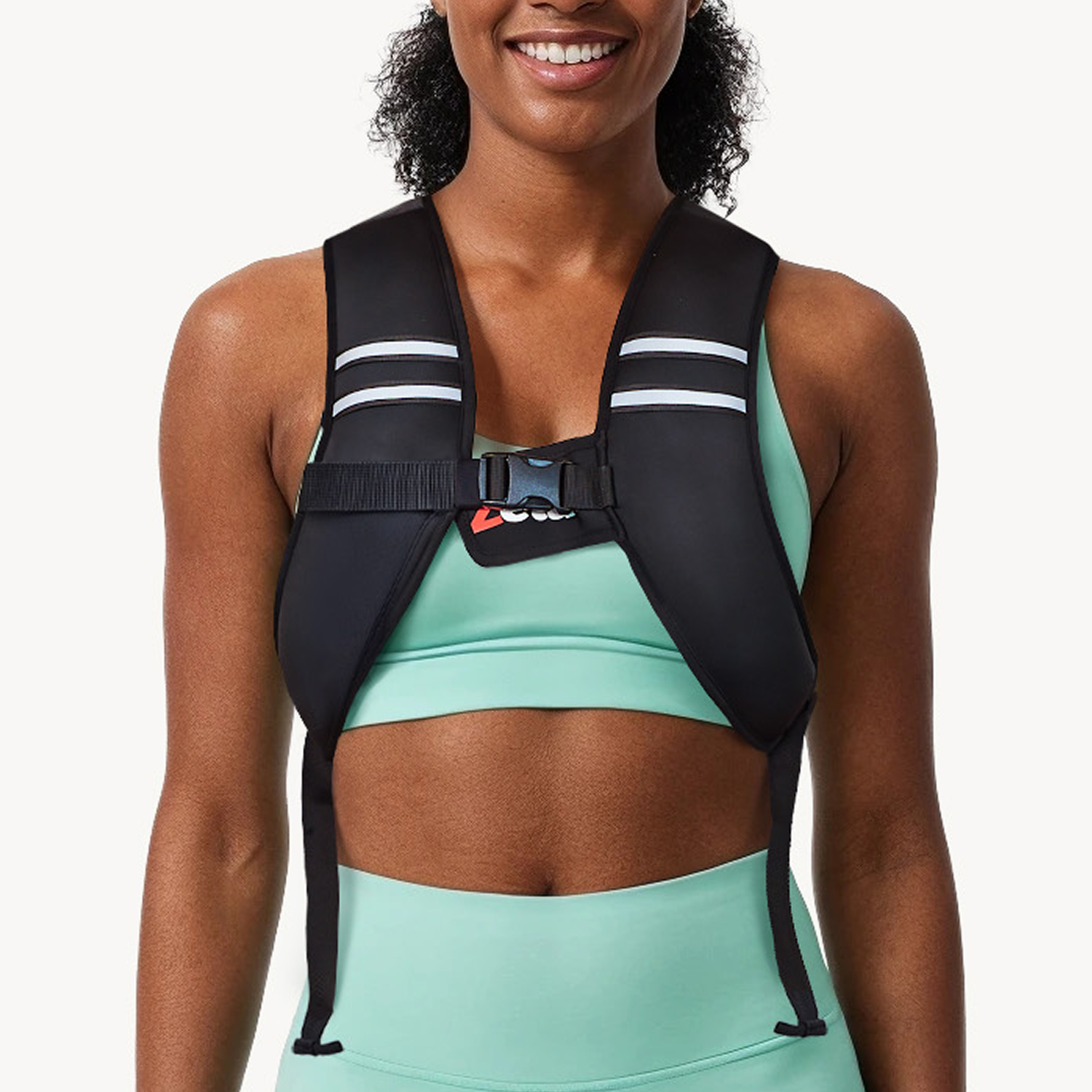
Zelus Classic Y-Shaped Adjustable 20 / 30 / 60 lb Weighted Vest
The Gear Breakdown
Right out of the box, this thing looks and feels serious. It gives you that instant "tactical" look, which means you will get some stares walking around your neighborhood, but the build quality justifies the aesthetic.
Here is how the weight is distributed:
- The Pockets: The vest features 16 individual compartments split evenly between the front and the back.
- The Weight: Each pocket holds a removable pack weighing exactly 3 lbs.
- The Material: The packs feel like they are filled with dense sand. While they aren't as ultra-compact as solid steel plates, they conform nicely to your torso.
The Math:
3 lbs×16 packs =48 lbs of removable weight
Combined with the heavy-duty shell and straps, you are looking at a full 60 lbs of resistance distributed across your frame.
Fit and Adjustability
Putting it on is straightforward. It slips right over your head, and then you use a dual-strap system. You pull the heavy-duty straps from the back and velcro them tightly across the front. If you have a slimmer build, the straps are designed to overlap cleanly so you can get it tight enough to prevent bouncing.
The Field Test: How It Actually Feels

Let's be honest—60 lbs is a lot of weight. If you want a relatable comparison, it feels exactly like carrying a very heavy, slightly squirmy older child around, except it's strapped directly to your chest and spine.
Here is how it performs across different styles of training:
Rucking, Hiking, and Dog Walking
If standard walking has gotten too easy, throwing this on will instantly skyrocket your heart rate. The extra-wide shoulder straps on the Zelus vest are a massive lifesaver here. They prevent the weight from digging directly into your collarbones and trap muscles, making longer walks surprisingly manageable.
Safety Tip: If you're walking at night, the vest features built-in reflective tape, which is a crucial safety feature when you look like you're wearing tactical gear in the dark.
Functional Fitness & Bodyweight Movements
If you are a naturally lighter athlete, or just someone with elite relative strength, bodyweight movements can lose their progressive overload value. This vest changes that instantly:
- Squats: Phenomenal. The front-and-back weight distribution keeps your center of gravity perfect.
- Pull-ups & Dips: If you have the strength to pull an extra 60 lbs, the vest stays tight to the body and doesn't swing around like a traditional dipping belt with plates.
The Pro-Tip: Snack Storage?
Because the 3 lb sandpacks are completely removable, you don't have to carry all 60 lbs at once. In fact, if you take a few packs out, those empty compartments double perfectly as storage slots. You can easily slide in a few protein bars, your keys, or snacks for the trail. You can put some of the weight on your body through nutrition rather than just carrying the sand!
Performance Verdict: Pros & Cons
Pros
- Extremely high load capacity (up to 60 lbs)
- Modular and adjustable weight system
- Secure strap system with good stability
- Versatile for walking, rucking, and calisthenics
- Solid option for advanced users
Cons
- Bulkier than plate-style vests
- Can feel overly heavy for long-duration cardio
What real users say:

“I got this vest to turn long walks with my dog into a workout. It's great! I started at a lower weight (17.5 lbs) and still have weight that I can grow into.”
Benefits of a 60 lb Weighted Vest

Strapping on 60 pounds isn't just about looking tough or sweating more; it triggers profound physiological shifts across your entire body. When you respect the weight and move with proper form, a heavy vest transitions from a simple cardio tool to a comprehensive strength and conditioning vehicle.
Calorie Burn and Conditioning
If you want to torch calories but your knees can no longer handle the repetitive pounding of a concrete run, a heavy vest is your holy grail. It provides an aggressive, high-intensity, low-impact cardio stimulus.
By adding 60 lbs, you drastically increase the metabolic cost of every single step. Your heart and lungs have to pump oxygen-rich blood to muscle groups that are suddenly working twice as hard just to keep you upright. A brisk walk with a 60 lb vest can easily match or exceed the caloric burn of a moderate jog, all while keeping one foot firmly on the ground to minimize joint impact forces.
This massive spike in metabolic output aligns perfectly with why most people buy this gear in the first place. The Zelus 2026 consumer data survey shows that weight management and body sculpting (ages 18–44) make up the single largest demographic of vest users at a massive 62%. For this crowd, whether they are doing high-intensity rucks or just throwing it on for gardening and daily walks, the primary objective is simple: accelerating weight loss.
Does Walking With a Weighted Vest Burn More Calories?
Does a Weighted Vest Help Lose Belly Fat?
Strength Adaptation
You don’t just build cardiovascular endurance with a 60 lb vest; you build raw, functional horsepower across your entire posterior chain.
- The Legs: Your quads, glutes, and calves are subjected to a continuous, miles-long leg press. Every hill climb or stride becomes a lesson in muscular endurance.
- The Core: Because the weight is distributed tightly around your torso, your rectus abdominis and obliques must stay continuously engaged to prevent your spine from buckling.
- Postural Muscles: Your upper back, rhomboids, and traps bear the brunt of the vertical load. Over time, this builds a bulletproof upper back and naturally corrects the "slouched forward" posture common in today's desk-bound world.
Weighted Vest Core Strength: Benefits, Exercises & Workouts Guide
Bone Density and Load Adaptation
One of the most overlooked benefits of heavy loading is its structural impact on your skeleton. When done safely and progressively, walking with a 60 lb vest applies a safe, axial (vertical) mechanical stress to your bones.
The Science of Load: According to Wolff's Law, bone adapts to the loads under which it is placed.
This consistent downward pressure signals your osteoblasts to deposit more bone tissue, increasing bone mineral density in critical areas like your hips, femur, and lumbar spine. Over the long term, this load adaptation thickens your connective tissues and fortifies your skeletal frame, creating a body that is significantly more resilient to injury both inside and outside the gym.
Interestingly, this skeletal benefit isn't just theory—it's driving a major market trend. The Zelus 2026 data revealed that the "Silver Snakers" generation (users aged 55 and older) now make up 13% of the total weighted vest community. More importantly, over 50% of these older adults cite combating bone density loss as their number one reason for training with a vest. It turns out that progressive loading is one of the most effective, proactive ways to build a body that is resilient to injury both inside and outside the gym, no matter your age.
Weighted Vests for Osteoporosis & Bone Density
Does a Weighted Vest Improve Bone Density?
Who Should Use a 60 lb Weighted Vest?

Let’s be completely honest: strapping an extra 60 pounds to your torso is an extreme training stimulus. It changes your center of gravity, forces your heart to work overdrive, and puts massive demands on your musculoskeletal system.
This specific weight capacity is not a gimmick—it’s a serious tool meant for a specific crowd.
- Advanced Fitness Trainees: If you have already mastered bodyweight movements (like push-ups, dips, and pull-ups) and need a massive progression to keep building muscle and strength.
- Rucking Enthusiasts: Anyone who has already maxed out a 30 or 45 lb rucking backpack and wants to transition to a vest for tighter, more balanced weight distribution.
- Military-Style Conditioning Workouts: Tactical athletes, first responders, firefighters, or anyone prepping for intense field evaluations where carrying heavy, awkward gear is part of the job.
- Athletes Used to Heavy Resistance Training: If your legs and core are already built for heavy squats and deadlifts, your frame will have the foundational stability required to handle this load safely.
Warning:
This vest is not recommended for beginners or users with pre-existing joint, back, or mobility issues. The extreme load will amplify any flaws in your posture or gait. If you have chronic lower back pain or bad knees, starting with 60 lbs is a recipe for injury.
If you do purchase this as a beginner, be smart: remove 10 to 12 of the sandpacks and slowly work your way up from 15–20 lbs!
What Happened Week-by-Week
Strapping on 60 pounds for a quick living room trial is one thing; actually taking it out into the wild for a multi-week grind is a completely different story. To give you the raw, unfiltered truth, I wore this Zelus beast consistently over the course of a month.
Here is exactly how my body, mind, and joints adapted (and protested) week-by-week.
Week 1: The Shock Phase
The moment I cinched the dual velcro straps tight, the first thing I noticed wasn't the weight on my legs—it was the pressure on my lungs. The compression forces you into shallow, panicked chest breathing until you consciously force yourself to take deep abdominal breaths.
By mile one, my traps felt like they were being pierced by hot needles, and a subtle, dull ache began to creep into my lower back.
I quickly realized that pacing and posture are absolutely everything. If you try to overstride or slouch forward like you normally do on a casual walk, 60 pounds will ruthlessly punish your spine. I had to shorten my steps, keep my chest proud, and accept a much slower pace.
Week 2: Adaptation & Friction
By week two, my cardiovascular system stopped panicking, and my lungs finally adjusted to the chest restriction. However, as the cardio got easier, the mechanical friction began.
Moving with 60 lbs creates a lot of micro-shifts. I started noticing major chafing and hot spots around my inner arms and lower torso where the vest rubbed against my shirt.
The Fix: Ditch the thin cotton t-shirts. I had to switch to compression gear and a thicker tactical-style shirt to create a barrier against the velcro and heavy nylon.
While my upper body adjusted to the weight, my feet and ankles took an absolute beating this week. Every step on concrete felt twice as hard, forcing me to swap out my flat trainers for shoes with maximum arch support and cushion.
Weeks 3 & 4: The Sweet Spot (or Breaking Point)
This is where the magic—and the mental grind—really set in. By the third week, the physical "shock" had worn off, and I started noticing genuine performance gains. My core stability felt bulletproof, my posture felt naturally taller when the vest was off, and I felt a noticeable surge in raw leg power during my unweighted gym sessions.
But don't get it twisted: weeks 3 and 4 are an absolute mental battle. Rucking with 60 pounds is not fast, exciting, or glamorous. It is a slow, heavy, monotonous grind.
You are trapped inside your own head, listening to the heavy thud-thud-thud of your feet against the pavement while your traps slowly burn. It forces you to build mental calluses right alongside your physical ones. By the end of the month, the vest felt less like a torture device and more like a natural extension of my frame—but I was still incredibly glad to take it off.
Why a 60 lb Weighted Vest? (The Method to the Madness)
Why on earth would anyone willingly strap a 60-pound weight to their torso just to go for a walk? It sounds like a form of self-punishment, but there is actually a distinct method to the madness.
Whether you are progressing from a lighter 30 lb backpack, training for a specific tactical event (like military selection or firefighter pack tests), or simply trying to maximize your calorie burn in half the time, stepping up to 60 lbs is the ultimate way to shatter fitness plateaus.
But when you get to this level of heavy loading, how you carry the weight matters just as much as the weight itself.
Vest vs. Backpack
Traditional rucking is done with a backpack, but at 60 pounds, switching to a dedicated weighted vest completely alters the biomechanics of your movement.
The Weighted Vest
- Equal Weight Distribution: The 16 sandpacks in the Zuulse vest are split evenly between your chest and your back. This keeps your center of gravity perfectly centered over your hips.
- Tighter to the Body: A good vest cinches securely around your ribcage. There is virtually zero swaying, shifting, or bouncing, making it feel like a natural extension of your body weight.
- Vertical Loading: It compresses you straight down, forcing your core and spine to remain perfectly vertical and upright.
The Backpack (Traditional Rucking)
- The Backward Pull: Because 100% of the weight sits behind you, a backpack constantly tries to pull your shoulders backward.
- Forward Lean: To compensate for the backward pull, you are forced to lean slightly forward at the hips. This creates a completely different style of core, lower back, and hip engagement.
- The Swing Factor: At 60 lbs, if a backpack isn't perfectly secured with a hip belt, it will sway and shift with every stride, throwing off your balance on uneven terrain.
If your goal is to maintain natural, upright posture while performing functional movements like lunges, squats, or steep hill climbs, the vest wins hands down. It eliminates the awkward leverage of a backpack, allowing you to focus entirely on weathering the sheer, heavy load.
The Verdict: Is It Worth It?
Yes, but with a warning. If you are a beginner, do not start at 60 lbs. Take some of the packs out and start at 15 or 20 lbs.
However, if you are looking for a rugged, well-built, high-capacity vest for functional fitness, tactical prep, or brutal cardio progression, the Zelus 60 lb vest is an excellent piece of gear. The wide shoulders keep it comfortable, the dual velcro straps keep it secure, and the adjustable weight means it can grow with you as you get stronger.
Have you ever tried rucking with a heavy vest, or are you thinking about taking the plunge? What's the heaviest weight you've ever strapped on? Drop your thoughts in the comments below!
|
IMAGE |
|
|
MODEL |
|
|
SERIES |
Classic + Y-Heavy |
|
Classic |
|
|
RECOMMENDED SPORTS |
Rucking · HIIT · Strength |
|
WORKOUT INTENSITY |
💪💪💪💪💪 |
|
COMFORT |
★★☆☆☆ |
|
SHAPE |
Y-Shape |
|
WEIGHT TYPE |
Adjustable |
|
WEIGHT RANGE |
20 / 30 / 60 lb |
|
FILL MATERIAL |
Iron Sand (removable) |
|
BUILD MATERIAL |
600D Oxford Fabric + Foam |
|
NOISE LEVEL |
Low |
|
COLORS |
1 (Black) |
|
REFLECTIVE STRIPS |
Yes |
|
Cleaning Choice |
Machine wash |
|
POCKETS / STORAGE |
No |

FAQs
What is the heaviest weighted vest?
While standard adjustable tactical or sandbag vests typically top out around 60 to 150 lbs, plate-loaded vests can hold up to an incredible 300 lbs. These heavy-duty frames allow elite strength athletes to micro-load standard Olympic or standard weight plates directly onto their chest and back for extreme progressive overload.
Is a 40 pound weighted vest too much?
For a beginner, yes, a 40 lb vest is significantly too heavy and can easily cause acute lower back or joint strain. However, for a well-conditioned athlete who already weighs over 180–200 lbs and has mastered lighter rucking or heavy barbell training, a 40 lb vest is an excellent mid-to-heavy tier load for building serious functional strength and aerobic capacity.
A Simple Guide to Buying Your First Weighted Vest
Is a weighted vest ok for scoliosis?
It depends entirely on the severity of the spinal curvature and your foundational core strength, so getting medical clearance is non-negotiable. While mild scoliosis patients might benefit from light resistance (under 5–10% of body weight) to strengthen the supporting muscles, moderate-to-severe scoliosis risks severe spinal compression, worsened posture, and asymmetrical muscle strain under a weighted vest.
How heavy should a weighted vest be for you?
As a general baseline rule for fitness, walking, and cardio, a weighted vest should equal roughly 5% to 10% of your total body weight. Advanced strength trainees or tactical athletes prepping for specific field tests can safely scale past 15% to 20%, but you should only increase the weight once your posture remains completely flawless under the lighter load.
Can a weighted vest help with bone density?
Yes, walking or performing resistance training with a weighted vest applies safe, vertical mechanical stress to your skeletal system, which signals your body to deposit more calcium and bone tissue. This weight-bearing stimulus is highly effective at strengthening the hips, spine, and femur, making it a popular low-impact strategy for combating osteopenia and osteoporosis.
Does walking with a weighted vest help you lose weight?
Absolutely, because adding a significant external load forces your cardiovascular system and muscles to burn substantially more calories per mile than regular walking. By tricking your body into thinking it weighs more, you increase the metabolic cost of every step, allowing you to melt body fat and build muscular endurance without the high-impact joint stress associated with running.
Is there a downside to wearing a weighted vest?
The primary downsides include increased spinal compression, accelerated wear-and-tear on the knees and ankles, and restricted breathing if the vest is strapped too tightly across your chest. Furthermore, if you wear a vest with poor posture, your body will overcompensate by straining your lower back and traps, turning a great workout into a fast track to injury.
How long should I walk with a 20 lb weighted vest?
If you are new to a 20 lb load, start with a short 15-to-20 minute walk on flat surfaces to assess how your feet, shins, and lower back feel the next day. Once your joints adapt and your posture remains strong, you can safely scale your rucking sessions up to 30 to 60 minutes, two to three times per week.
How many hours a day should you wear a weighted vest?
You should generally limit wearing a weighted vest to 1 to 2 hours per day during a dedicated workout or walk, rather than wearing it casually all day long. Keeping a heavy external load strapped to your spine for extended hours induces severe postural fatigue, which eventually breaks down your form, strains your traps, and compresses your spinal discs.

Before You Go…
Here are a few handpicked articles to inspire your next self-care moment.