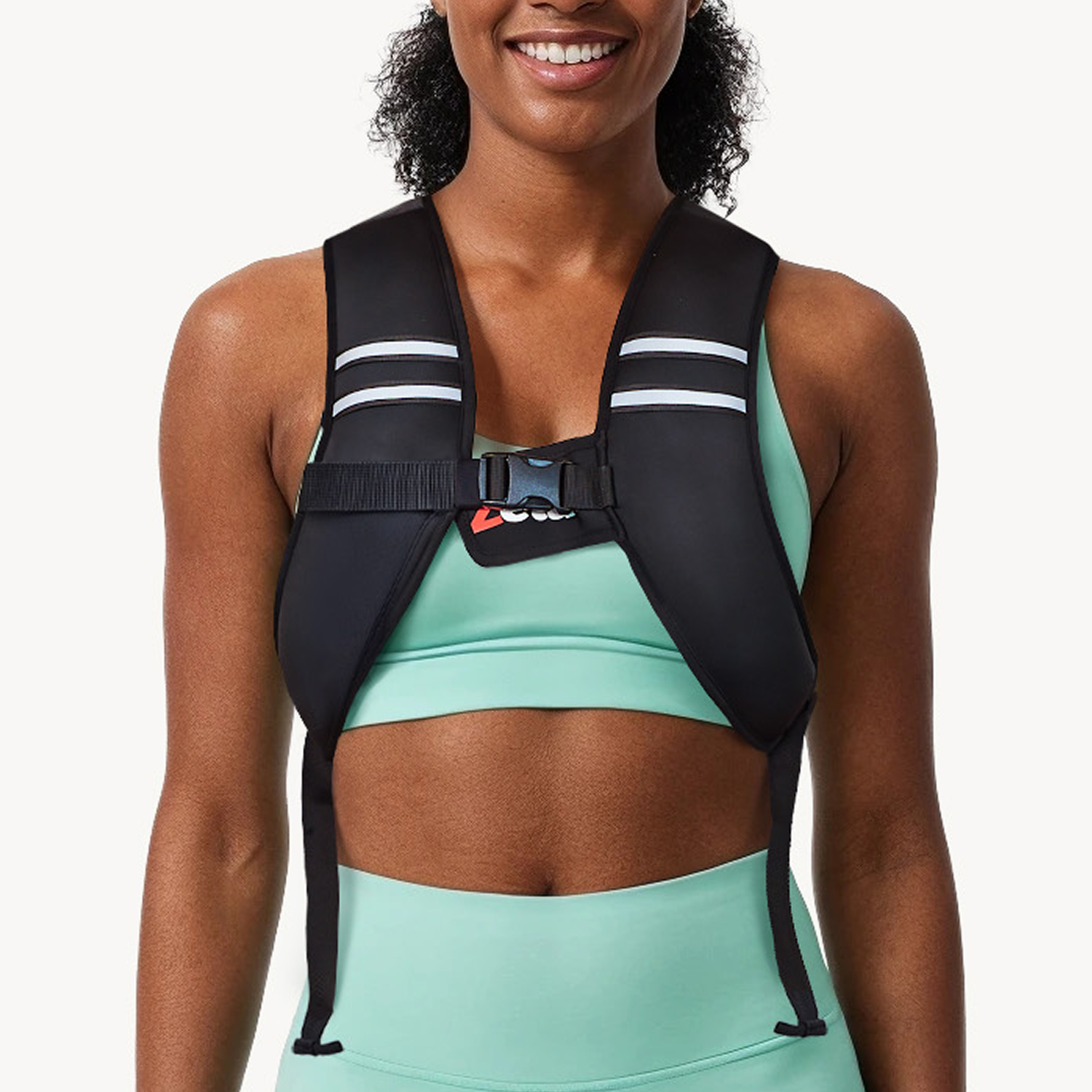
Best Breathable Weighted Vest: Stay Cool During Every Workout
Adding a weighted vest to your fitness routine is one of the most effective ways to build functional strength, burn extra calories, and boost cardiovascular endurance. However, most weighted vests turn into personal saunas within ten minutes. Before you even reach your peak set, you're dealing with uncomfortable chafing, restricted breathing, and heat exhaustion that tanks your workout performance.
Today’s top weighted vests for walking incorporate open-mesh panels, moisture-wicking technical fabrics, streamlined cuts, and specialized airflow channels. We’ve tested the best breathable weighted vests on the market.
Why Breathability Is One of the Most Important Features in a Weighted Vest

When you add load to your body, your heart works harder, spiking your internal core temperature. If your weighted vest acts as an insulator, heat has nowhere to escape.

To uncover how real users interact with their gear, researchers evaluated user experiences in the Weighted Vest Quantitative Research Report (February 2026) by Zelus. Surveying 1,069 weighted vest owners (including 347 Zelus users and 722 competitor-brand users across various price tiers), the study revealed that heat buildup, bulk, and lack of ventilation are among the most persistent complaints for athletes and daily walkers alike.

Trapped heat and restricted airflow can lead to premature exhaustion, excessive sweating, and severe chafing—an issue that extends even to casual activities like walking and dog walking, where 28% of users report feeling suffocated by poor breathability and another 23% complain about excessive bulk.
Prioritizing breathable materials promotes natural thermoregulation, allowing you to train harder, stay comfortable, and extend your endurance no matter the activity intensity.
Features to Look for in the Best Breathable Weighted Vest

Flexible weight technology
Next-generation vests utilize ultra-flexible silicone-infused weights (such as Z-Fit™ tech). Unlike loose sand bags that require thick, padded fabric walls to prevent tearing, silicone weights are durable on their own.
Thin profile
A slim profile lies flat against your torso. It allows air to stream around your body naturally, fits discreetly under clothing, and dramatically reduces momentum bounce when running.
By eliminating half the bulk found in standard models, the Z-Fit™ Slim Weighted Vest removes the stifling insulation layer that typically traps body heat. The stream-lined fit keeps the weight pinned close to your center of gravity, letting natural airflow cool your skin while preventing the awkward shifting and chafing common during high-impact training.
Easy-to-clean materials
Select materials with water-resistant surfaces or antimicrobial linings. High-grade synthetic fabrics and silicone components can easily be wiped down with a damp cloth or hand-washed without clumping internal materials.
Breathable fabric construction
True thermal control relies on specialized materials engineered to keep you cool and dry throughout your workout. Strategically placed mesh panels form the backbone of a breathable vest, targeting high-sweat zones like the chest and spine. By opening up these critical areas to natural airflow, heat can continuously disperse off your body rather than building up beneath thick fabric layers.
Working alongside external ventilation, a sweat-wicking lining actively draws moisture away from your skin and channels it toward the vest's outer surface for rapid evaporation. Paired with lightweight, quick-drying materials, this prevents the vest from soaking up pounds of perspiration during long training sessions—keeping your gear light, comfortable, and free from heavy sweat retention.
Best Breathable Weighted Vest: Z-Fit™ Slim Weighted Vest
Ice-Cool & Ultra-Breathable Performance
Traditional vests use thick neoprene and loose iron sand pockets that trap body heat like a sauna. When frozen, trapped moisture turns them into rigid, unyielding blocks of ice.
The Z-Fit™ Slim Weighted Vest completely redefines breathable thermal comfort using Silicone-Iron Fusion Technology. By encapsulating iron inside medical-grade silicone, its ultra-thin profile allows heat to escape while promoting natural airflow. When chilled in the freezer, it delivers a deep, refreshing cooling effect that stays 100% pliable, soft, and body-contouring—keeping your core cool during intense workouts.
3 Best Zelus Cooling Weighted Vest for Summer: Stay Cool & Active with Z-Fit™
Regular vs Cooling Weighted Vest: Key Cooling Benefits Explained
Maximized Airflow with Zero Weight Shift
Bulkier vests bounce, shift, and block ventilation across your chest and back. Featuring a sleek, unibody design, the Z-Fit™ Slim Weighted Vest stays completely stable without stifling your body. Its low-profile fit covers minimal surface area, allowing your skin to breathe naturally during dynamic walking, outdoor yoga, deep stretching, or functional strength training.
Silent, Sweat-Free Training
With no loose sand or clanking plates, the Z-Fit™ Slim Weighted Vest operates in total silence. Its smooth, moisture-resistant surface won't absorb sweat or trap bacteria, making it the ultimate low-profile, breathable choice for quiet home workouts, office wear, or warm-weather outdoor sessions.
Z-Fit™ Series Explained: Why Silicone-Iron is a Game Changer
|
Feature |
Traditional Weighted Vest |
Zelus Z-Fit™ |
|
Weight Stability |
Shifts, bounces, and settles unevenly |
Remains completely stable and balanced |
|
Flexibility |
Rigid and restrictive |
Dynamic and body-following |
|
Noise Level |
Loud sand rustling or metal clanking |
Entirely silent |
|
Daily Wearability |
Bulky, heavy, and conspicuous |
Sleek, low-profile, and comfortable |
Why Silicone Weighted Vests Stay Cooler Than Iron Sand Models

Traditional iron sand weighted vests have long been a popular option because they are affordable and widely available. However, many users find that they become uncomfortable during longer workouts, especially in warm weather.
According to the Zelus Weighted Vest Quantitative Research Report (February 2026), users of iron sand weighted vests reported issues such as heat buildup, excessive bulk, shifting during movement, and cleaning difficulties. Silicone weighted vests address many of these common pain points through improved materials and a more ergonomic design.
Better Flexibility
One of the biggest differences between silicone and iron sand weighted vests is flexibility. Iron sand models typically rely on rigid weight pockets filled with loose sand or iron particles, making the vest feel stiff and less able to conform to the body's shape. Silicone-weight technology, on the other hand, allows the weights to flex naturally with every movement.
Less Pressure on the Body
Comfort depends not only on the total weight of a vest but also on how that weight is distributed. Traditional iron sand vests often concentrate weight in separate pockets, which can create pressure points on the shoulders, neck, and upper chest. Over time, these pressure points can become uncomfortable, particularly during strength training or extended walks.
Silicone weighted vests typically distribute weight more evenly across the torso. Because the flexible material conforms to the body's contours, pressure is spread over a larger surface area instead of being concentrated in a few locations. This design can reduce fatigue around the shoulders and collarbone while improving overall stability.
Improved Airflow
Breathability is one of the main reasons many athletes choose silicone weighted vests. Traditional iron sand models are often thicker because they require multiple weight compartments to hold the sand securely. This extra bulk reduces airflow and traps heat against the body, making workouts feel hotter and sweatier.
Silicone weighted vests generally feature a slimmer profile that allows more air to circulate between the vest and the body. Many designs also incorporate moisture-wicking fabrics and ventilated materials that help sweat evaporate more quickly. As a result, users stay cooler during activities such as walking, jogging, and high-intensity interval training.
Easier Maintenance
Sweat, dust, and everyday use can quickly make a weighted vest dirty, particularly if it is worn for cardio or outdoor exercise. Many traditional iron sand vests contain fabric weight pockets that absorb moisture and are difficult to clean thoroughly. Over time, trapped sweat can lead to unpleasant odors and bacteria buildup.
Silicone surfaces are generally easier to wipe clean and less likely to absorb moisture than fabric-filled compartments. Depending on the design, many silicone weighted vests also feature removable or washable outer materials, making regular maintenance much simpler.
3 Best Washable, Non-Toxic Weighted Vests From Zelus
Quieter During Movement
Noise may seem like a small detail, but it can noticeably affect the workout experience. As users run, jump, or perform dynamic exercises, loose iron sand can shift inside its compartments, producing subtle movement and friction. Combined with bouncing weight pockets, this can make the vest feel less stable and more distracting.
Silicone-weight technology typically secures the weight more uniformly throughout the vest, minimizing internal movement and reducing noise. A quieter vest creates a more natural wearing experience whether you're walking around the neighborhood, training in the gym, or exercising early in the morning when you want to avoid unnecessary distraction.
Although noise was not specifically measured in the survey, many of the reported complaints—including vest movement, uneven weight distribution, and excessive bulk—are closely related to the design characteristics that also contribute to unwanted movement and sound. By reducing shifting and improving overall stability, silicone weighted vests offer a quieter, more comfortable experience across a wide range of activities.
Iron Sand vs. Silicone-Iron vs. Solid Iron Blocks: A Materials Guide
How to Stay Cool While Wearing a Weighted Vest in Hot Weather

Staying cool while wearing a weighted vest is about more than choosing breathable materials. The way you prepare your vest, dress for your workout, and manage your training environment can make a significant difference in comfort and performance.
Freeze Your Vest Before Your Workout
If you're using a silicone weighted vest, chilling it before exercise is an easy way to stay cooler during warm-weather workouts. Follow Zelus' simple three-step method:
- Wipe away sweat and let the vest air dry completely. Never freeze a damp vest, as frost buildup can affect the seams and hygiene.
- Place the dry vest in a sealed, airtight storage bag to protect it from moisture and prevent it from absorbing refrigerator or freezer odors.
- Lay the bagged vest flat in the refrigerator for 60 minutes or in the freezer for up to 45 minutes. Wear it immediately after chilling for a refreshing cooling effect at the start of your workout.
Wear Moisture-Wicking Clothing
Your clothing plays an important role in regulating body temperature. Instead of wearing cotton, choose lightweight, moisture-wicking shirts made from polyester, nylon, or performance blends. These fabrics pull sweat away from your skin, allowing it to evaporate more quickly and helping your body cool itself naturally.
A breathable weighted vest performs best when paired with breathable clothing. Combining the two can significantly reduce the sticky, overheated feeling that often develops during longer training sessions.
Choose the Correct Vest Weight
Many people assume that a heavier vest automatically delivers better results, but wearing more weight than necessary often causes excess heat, fatigue, and discomfort. A vest that is too heavy can also increase pressure on your shoulders and reduce airflow around your torso.
For most beginners, choosing a vest that weighs about 5% to 10% of your body weight provides enough resistance without sacrificing comfort. As your fitness improves, you can gradually increase the load while maintaining good movement and proper posture.
A Simple Guide to Buying Your First Weighted Vest
Exercise During Cooler Hours
The time of day can have a major impact on how comfortable your workout feels. If possible, schedule outdoor training during the early morning or late evening when temperatures are lower and direct sunlight is less intense.
Avoid exercising during the hottest part of the afternoon, especially in humid climates. Even the most breathable weighted vest cannot fully offset extreme heat exposure. Training during cooler hours helps prevent overheating while allowing you to maintain better performance throughout your workout.
Clean the Vest Regularly
Sweat, body oils, and dirt can build up quickly inside a weighted vest, especially after cardio sessions or outdoor activities. Regular cleaning helps maintain breathability, reduces odors, and prevents bacteria from accumulating in the fabric.
After each workout, wipe down the vest with a damp cloth and allow it to air dry completely before storing it. If your vest includes removable covers or washable components, follow the manufacturer's care instructions to keep the materials in good condition. A clean vest not only lasts longer but also feels cooler and more comfortable every time you wear it.
How To Wash and Maintain Your Zelus Weighted Vest
Stay Hydrated
Even with a breathable weighted vest, your body generates more heat when carrying additional weight. Drinking enough water before, during, and after exercise helps regulate body temperature and replaces fluids lost through sweating.
For longer workouts or training in hot weather, keep a water bottle nearby and take regular hydration breaks. If you're exercising for more than an hour or sweating heavily, consider a sports drink with electrolytes to replace sodium and other minerals lost during exercise. Proper hydration supports endurance, improves recovery, and helps you stay cool throughout your workout.
5 Rules for Wearing a Summer Weighted Vest in the Heat (Before You Pass Out)
Conclusion
Breathability is far more than just a luxury feature—it directly governs your comfort, personal hygiene, and overall athletic performance. When a weighted vest traps excess heat, it accelerates fatigue, causes painful chafing, and locks in sweat and odors that compromise the lifespan of your gear.
When choosing a weighted vest for your daily training, don't let traditional designs hold you back. Prioritize innovative breathable fabrics, ultra-slim weight tech, and an ergonomic fit. Investing in gear that stays cool and moves naturally with your body ensures you can push your physical limits, maintain hygiene, and stay comfortable through every single rep and mile.
FAQ
Do weighted vests get sweaty?
Yes, weighted vests can become sweaty during exercise, especially in warm weather or during high-intensity workouts. Breathable silicone weighted vests with moisture-wicking fabrics and ventilated designs help improve airflow and keep you cooler.
Is there a downside to wearing a weighted vest?
A weighted vest is safe for most healthy individuals when used correctly, but wearing one that is too heavy or poorly fitted can lead to discomfort, restricted movement, joint stress, or muscle fatigue. Beginners should start with a lighter weight—typically 5% to 10% of their body weight—and gradually increase the load as their strength and conditioning improve.
6 Reasons Your Weighted Vest Might Be Hurting Your Body
What weighted vest can be worn under clothes?
The best weighted vest for wearing under clothes is a slim, low-profile model that fits closely to the body. Silicone weighted vests are often a better choice than traditional iron sand designs because they are thinner, more flexible, and distribute weight evenly, making them easier to conceal under a hoodie, jacket, or loose-fitting sweatshirt.
Does a weighted vest help with breathing?
A weighted vest does not directly improve lung function or breathing capacity. However, wearing one during appropriately paced exercise may increase your cardiovascular workload, encouraging your heart and lungs to work harder over time.
The vest should fit comfortably without compressing your chest, as an overly tight vest can make breathing feel more difficult.
Is it okay to walk every day with a weighted vest?
Yes, walking every day with a weighted vest can be an effective way to increase calorie burn, improve cardiovascular fitness, and build muscular endurance, provided the weight is appropriate and you maintain good posture.
Start with shorter walks and a lighter vest, and pay attention to how your body responds before increasing the duration or weight.
How Long Should You Wear a Weighted Vest?
Can you lose belly fat by walking with a weighted vest?
Walking with a weighted vest can increase the number of calories you burn compared to walking without extra weight, which may support overall fat loss when combined with a balanced diet and regular exercise.
However, it is not possible to target belly fat specifically. As you reduce your overall body fat through a consistent calorie deficit and active lifestyle, abdominal fat will gradually decrease as well.
Before You Go…
Here are a few handpicked articles to inspire your next self-care moment.


![How to Make an Ice Weighted Vest? [Turn to Sub-Zero]](http://zelusfitness.com/cdn/shop/articles/Frame_18.png?v=1784190178&width=2000)