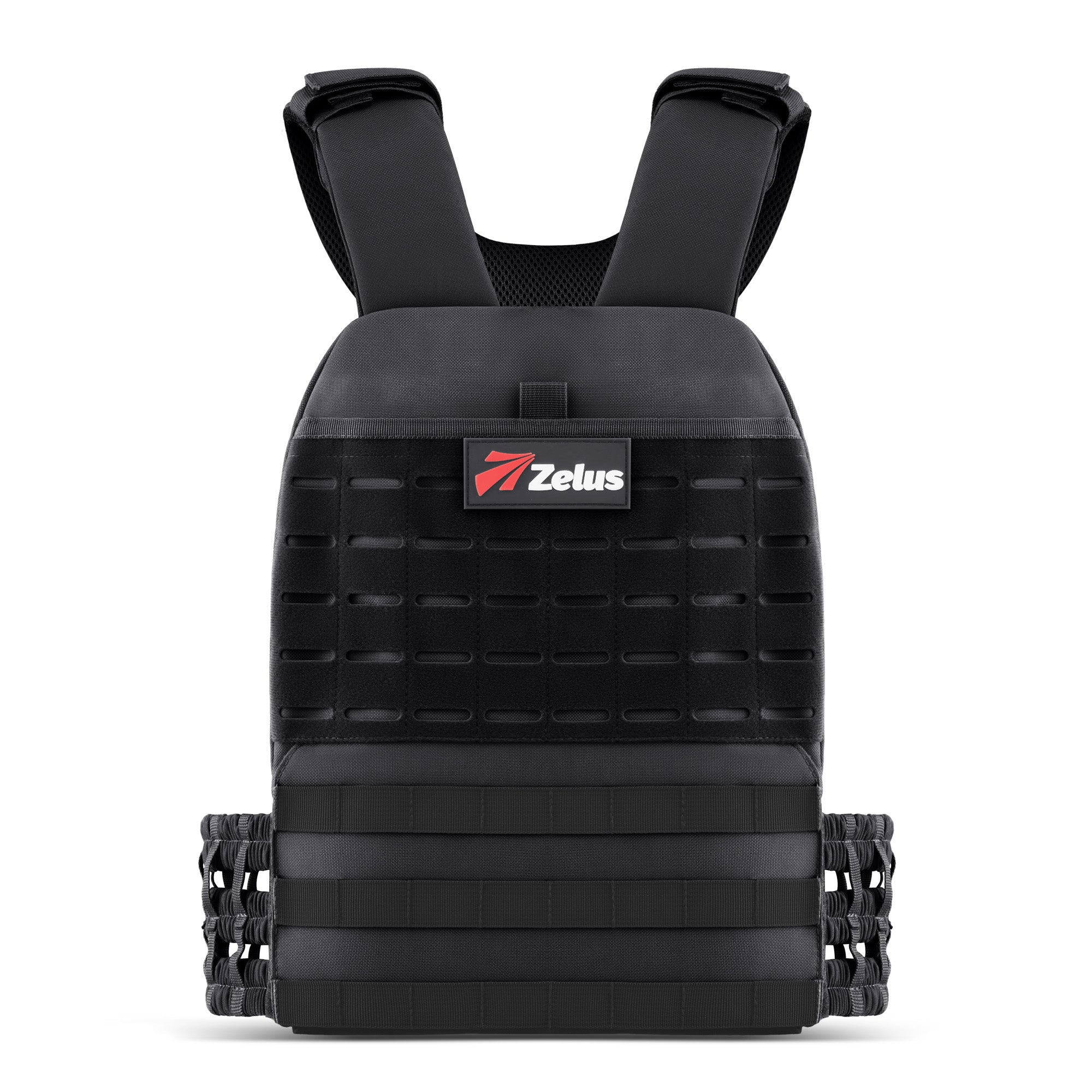
Weighted Vest

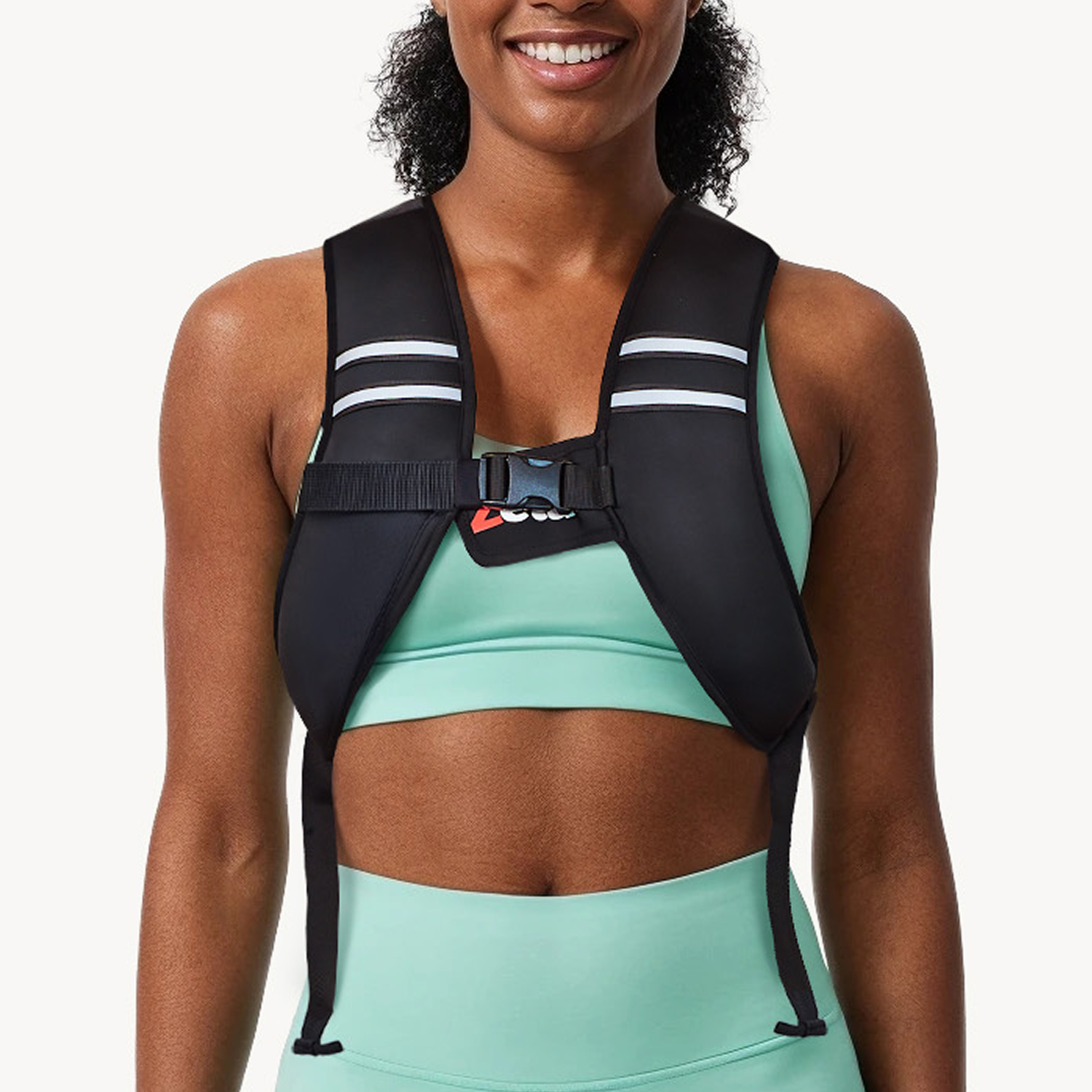
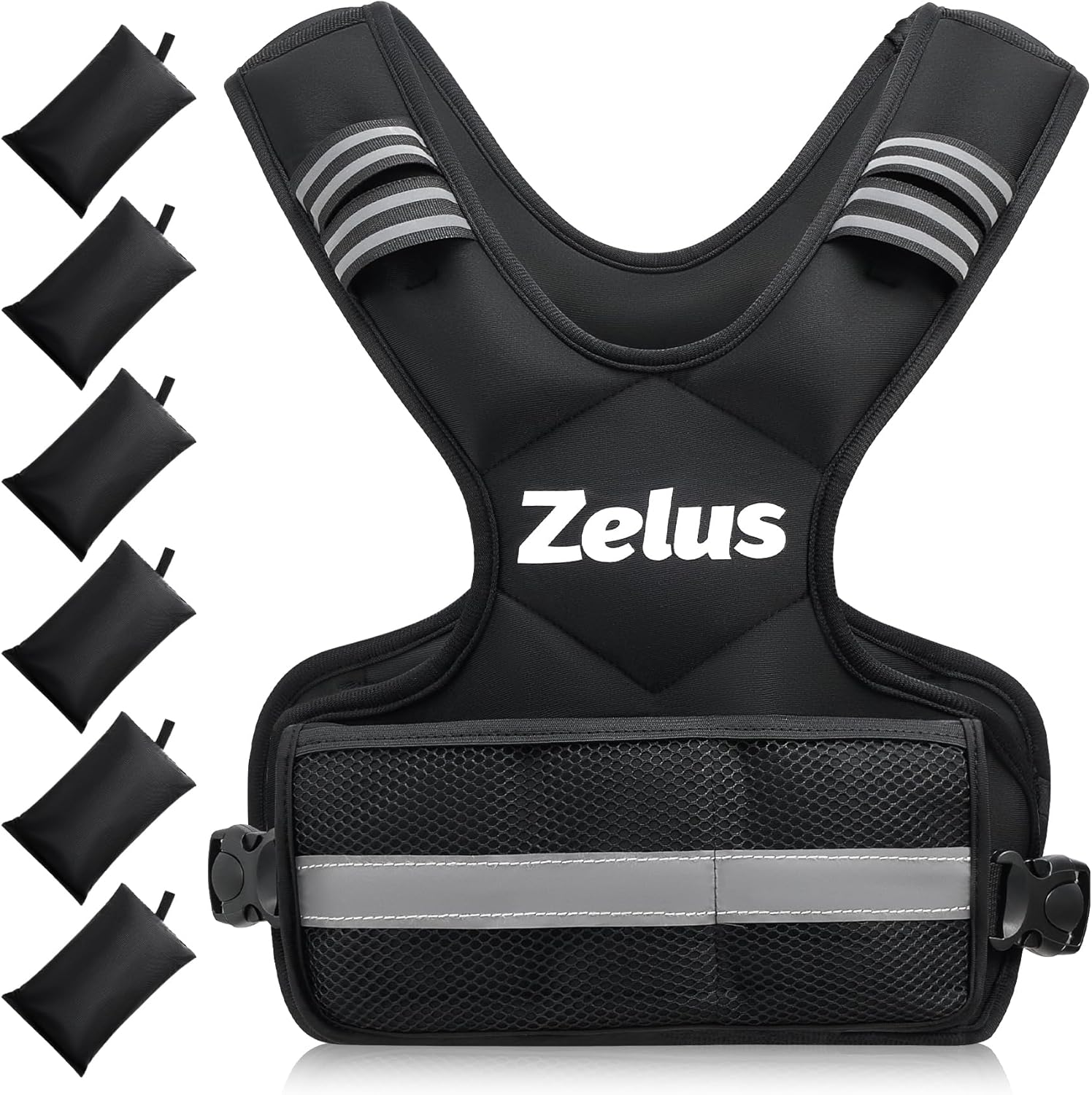
Take your workouts to the next level with our Adjustable Weight Vest for Women and Men. Designed for both comfort and versatility, Zelus weight vest enables you to gradually increase resistance, allowing you to tailor your training to match your fitness level.
Whether you’re performing strength training exercises like squats, lunges, or push-ups, enhancing cardio sessions such as running or walking, or adding intensity to bodyweight workouts, our weight vests add an extra challenge that helps build strength, endurance, and stamina.

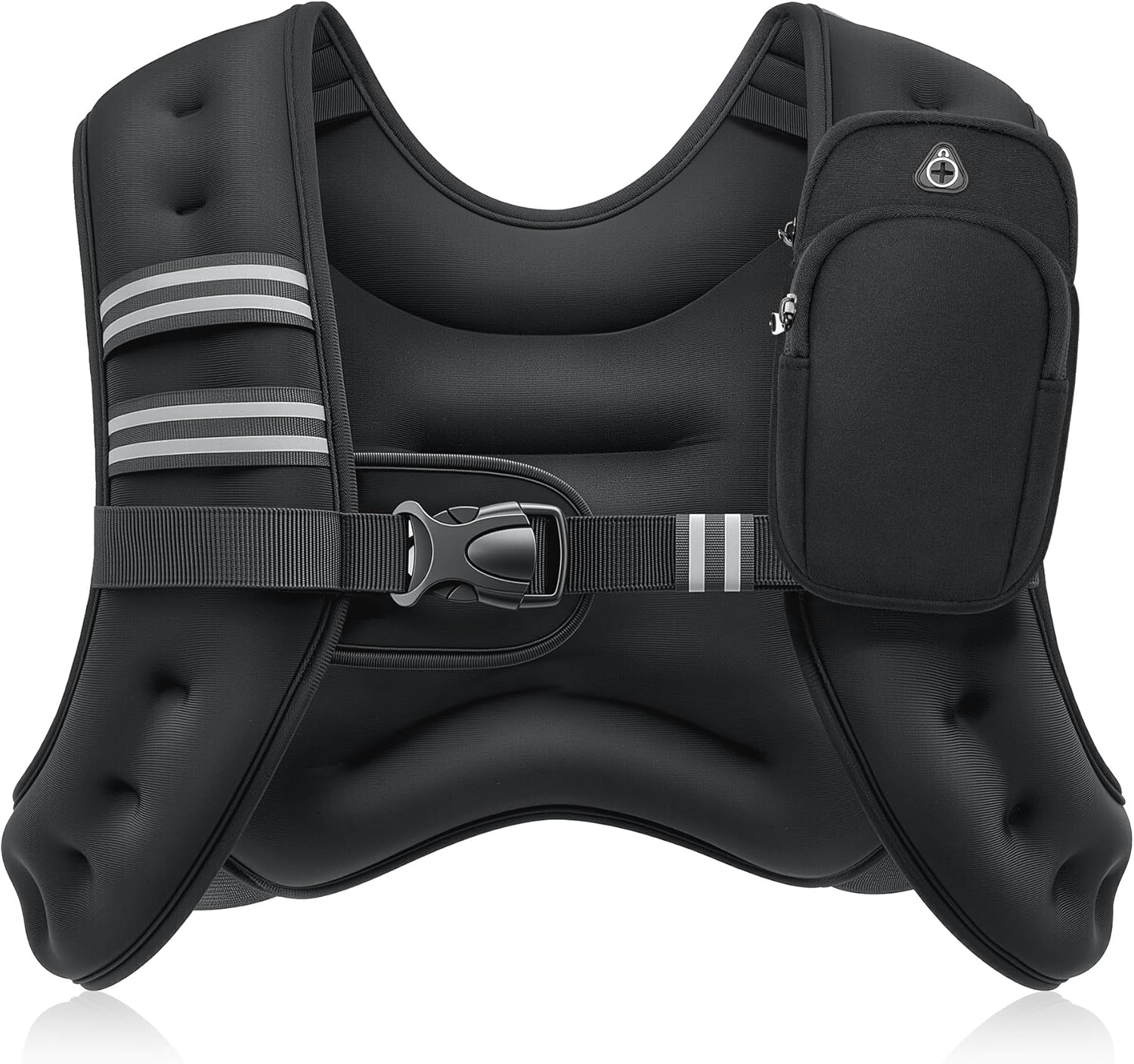
Classic X-Shaped Weighted Vest - Fixed Weight
4.8
Regular price From $42.99
Colors
Z-Fit™ Slim Weighted Vest
4.9
Regular price From $47.99
Colors
Classic Y-Shaped Weighted Vest - Adjustable Weight
4.8
Regular price From $39.99
Colors
Classic U-Shaped Weighted Vest - Fixed Weight
4.9
Regular price From $39.99
Colors

You've viewed 15 of 15 results

Find What Fits You Best

Whether you walk, run, lift, or just want to move more — there's a weighted product made for exactly that. Find the one that matches your goals and lifestyle.

Cooling Surface, Perfect for the your Summer Time
  • Forget everything you know about bulky plates and rigid sandbags. Our proprietary Z-Fit™ technology infuses fine iron powder into high-grade silicone, creating a seamless, one-piece weighted layer. It doesn’t just sit on you—it breathes with you. Experience a vest that mimics your body’s natural mechanics, providing constant tension without the friction.
  • Built for hot-weather training, the breathable outer fabric stays cool and dry against your skin—so summer runs and outdoor workouts never feel like a battle against your gear.

Check Out Our Latest Reviews

See how our weighted vests perform in real workouts and why they're the right fit for your training.

How to Choose the Right Weighted Vest?

Not all weighted vests are created equal. The ideal choice for a casual walker will look completely different from what a sprinter or cross-training athlete needs. Choosing the wrong weighted vest can lead to chafing, awkward weight shifting, limited range of motion and so on.

Adjustable vs. Fixed Weight Vest

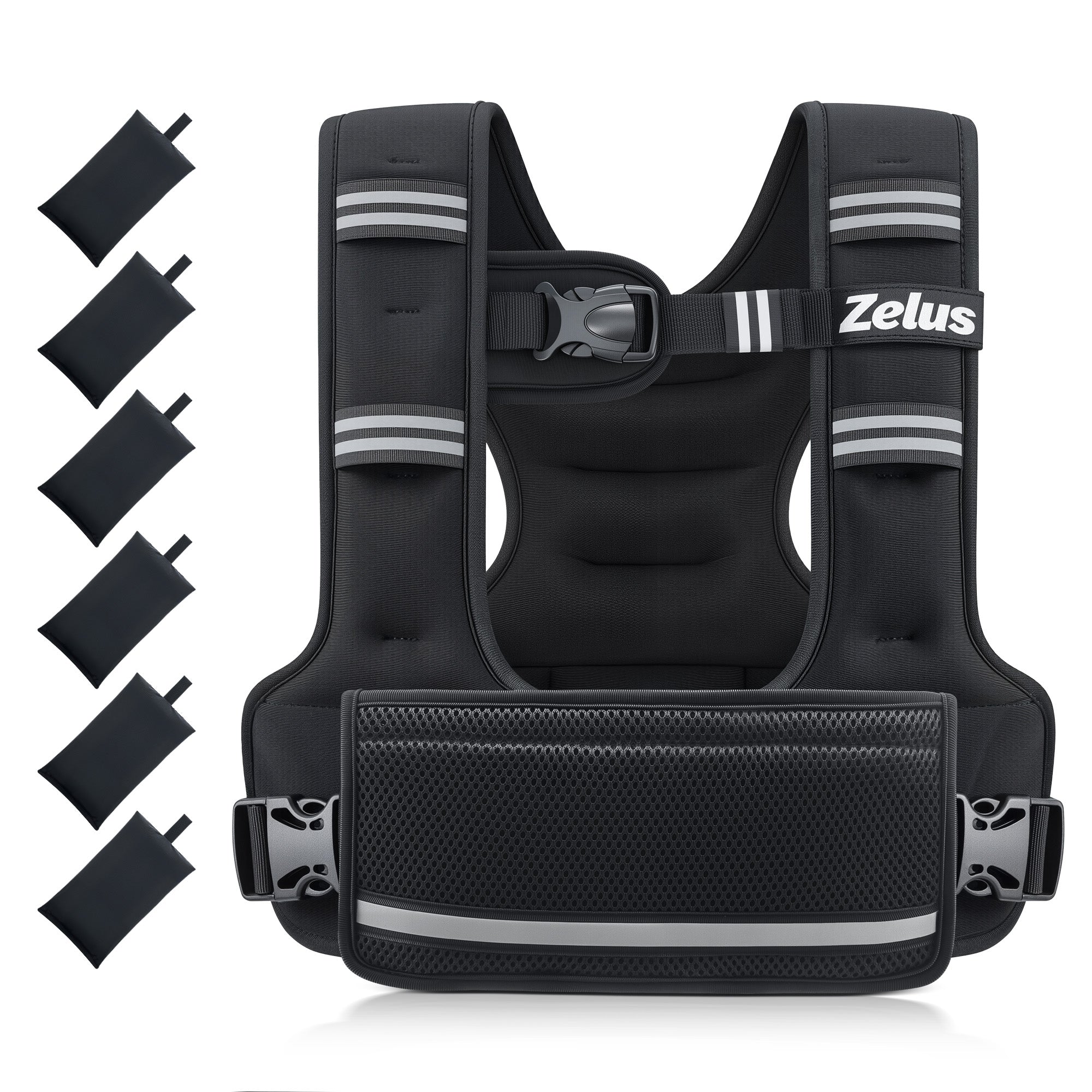
  • Adjustable Weight Vest: Look for designs with removable sandbags, iron weights, or flexible metal plates. These allow you to scale resistance up or down based on your workout, progressive overload goals, or specific fitness level.
  • Fixed Weight Vest: While fixed models generally offer a lower price point and simpler design, they lack versatility, you cannot adjust the load as your strength improves or as you switch between different exercises.

Fixed vs Adjustable Weighted Vests: Which Should You Buy First?

Fitness Goals

Before comparing specific models, define how you plan to train. The mechanics of walking, sprinting, and lifting heavy place vastly different demands on a weighted vest, so identifying your primary activity will immediately narrow your choices.

Weighted Vest for Walking and Daily Fitness

If your primary goal is to burn extra calories during daily walks, rucking, or low-impact cardio, a breathable weight vest should be your top priorities. A weight vest for walking should feature soft, non-abrasive linings, highly breathable mesh panels, and an ergonomic cut that allows your arms to swing naturally.

Lightweight, flexible options—often filled with sand or soft weights—work best here. For walking, you do not need heavy tactical plates or overly rigid frames; you need a secure, supple fit that stays comfortable over miles of continuous wear.

Weighted Vest for Running and High-Intensity Training

High-impact movements like running, jumping rope, box jumps, and burpees present a unique challenge: bounce. A poorly fitted weight vest will slap against your chest and shoulders with every stride, leading to rapid fatigue, chafing, and altered biomechanics.

When choosing a weighted vest for running, prioritize:

  • Low-bounce, compression-style designs that hug the torso tightly.
  • A compact footprint that sits high on the chest to keep your core and hips free.
  • Lightweight construction with minimal excess bulk.
  • Even weight distribution across the front and back to maintain natural running posture.

If a weight vest is even slightly loose, it will shift during dynamic movements, causing discomfort and distracting from your workout.

Weighted Vest for Strength Training and Calisthenics

If you plan to use a weighted vest for strength training —such as pull-ups, push-ups, dips, squats, and lunges—prioritize heavy capacity and durability over ultra-lightweight mobility.

Look for heavy-duty weight vests capable of holding substantial weight (often 30 to 100+ lb) through thick nylon fabrics and reinforced stitching. The loading system should accommodate precise weight adjustments so you can apply progressive overload over time without compromising movement mechanics during deep squats or full-range pull-ups.

If your routine mixes outdoor walks, bodyweight workouts, and occasional interval sessions, choose an all-purpose weight vest that balances comfort, adjustability, and weight capacity.

For most recreationally active users, a moderate-capacity weight vest capable of holding between 20 and 30 lb provides the sweet spot. These models offer enough resistance to challenge you during strength work while remaining streamlined enough for walking or moderate conditioning drills.

Weighted Vest Size and Fit

Fit is the single most important factor determining whether you will love or abandon your weighted vest. A weight vest that feels fine sitting still can become unbearable five minutes into an intense session if it restricts your diaphragm or shifts out of place.

Fit Differences: Men vs. Women

Because weight distribution and torso anatomy differ significantly, standard unisex weighted vests (which are usually cut for broader, flatter male torsos) don't fit everyone equally well.

Weighted Vest for Men

Men generally feature broader shoulder girdles, wider trapezius muscles, and a classic V-tapered torso. Standard box-cut styles and tactical plate carriers adapt easily to this frame because they lie flat against a broader chest and back with minimal contouring required.

  • Shoulder Strap Clearance: Look for generously padded, wide shoulder straps. Straps that sit too close together will pinch the neck or dig into the traps under heavy loads, while straps set too wide can limit arm movement during overhead presses or running.
  • Torso Anchoring: Because men typically have less pronounced hip flares, the main stability challenge is preventing horizontal bounce. Cinch the mid-torso adjustment tight around the lower ribs to lock the weight against your upper back and chest, keeping the center of mass close to your body.
  • Movement Freedom: Ensure the armhole cutouts are deep enough to allow full arm extension and shoulder rotation without the weighted workout vest rubbing against the lats or armpits.
Weighted Vest for Women

Women typically have a shorter center-of-mass distance between the shoulders and hips, along with a narrower shoulder neck-line and natural thoracic curves. Standard long-torso weight vests for men often hit the hips, shift constantly, or compress the chest painfully.

  • Short-Torso Profile (Cropped Cut): A shorter length is critical to keep the bottom edge of the weight vest sitting comfortably above the natural waist. This prevents the frame from riding up or jamming into the hip bones during deep squats, lunges, or high-knees.
  • Narrower Shoulder Ergonomics: Women’s shoulder girdles are generally narrower. Look for straps with an ergonomic taper or inward angle to prevent them from slipping outward during dynamic movements.
  • Contoured Side Straps & Lacing: Weighted vests with flexible elastic side-lacing or stretch neoprene panels conform naturally to a narrower waist while accommodating thoracic expansion. This creates a secure, compression-like anchor around the ribcage without flattening the bust line.
Weighted Vest for Larger Busts & Plus-Size Women

Finding a comfortable fit with larger chest measurements requires focusing on strategic strap placement and balanced weight distribution rather than raw, tight squeezing. Traditional, rigid tactical options can crush the chest and restrict full lung expansion. Choosing a targeted large busted weighted vest for women or a well-designed plus size weighted vest for women allows you to accommodate curves without sacrificing stability or comfort.

Go with the U-shape? X-shape? Y-shape? Or Z-Fit?

  • X-Shape, U-Shape, or Short Cuts: Opt for X-shape, U-shape, or short-torso designs. These styles distribute weight primarily across the upper chest, shoulders, and upper back, completely avoiding rigid plate panels directly across the bust line.
  • Flexible Side Lacing & Neoprene: Look for weighted vests made with stretch neoprene or flexible elastic side cords. They stretch comfortably over the bust while maintaining a snug, secure compression fit around the ribcage.
  • High-Set Placement: Ensure the bottom of the weight vest sits right above your natural waist. Positioning the weighted vest higher keeps the weight anchored near your center of gravity while leaving the chest area free to expand comfortably as you breathe.

Secure but Comfortable Fit

A weighted vest should fit like a well-fitted shirt or athletic harness: snug against your torso, stable during movement, but never tight enough to impede deep breathing.

Proper fit directly improves workout stability and performance. When the weight stays firmly anchored to your center of gravity, your muscles work against the load rather than fighting to stabilize a sloshing or sliding external weight.

Your Training Style

Match the snugness of your fit to the speed of your training:

  1. Tighter, compression-fit designs: Essential for high-speed or explosive workouts like running, agility drills, and plyometrics. The weight vest must move as an extension of your body.
  2. Slightly relaxed, higher-capacity fits: Acceptable for slower, controlled strength exercises like bodyweight squats or dips, where high-speed impact is minimal.
  3. Adjustable Straps and Custom Fit Features

Because body shapes vary widely, look for models with versatile adjustment points. Essential fit features include:

  1. Adjustable shoulder straps to position the top of the weight vest properly on your chest.
  2. Girth/waist straps (often utilizing heavy-duty Velcro or elastic compression panels) to anchor the bottom.
  3. Quick-release buckles or cinch straps that let you fine-tune tightness mid-workout.

Proper adjustability prevents the weight vest from riding up toward your neck during inverted movements or bouncing against your lower back while running.

Construction and Durability

A weighted vest undergoes continuous stress from heavy loads, sweat, friction, and outdoor elements. Investing in solid craftsmanship ensures safety, long-term performance, and value.

Materials

High-quality weight vests are typically built from high-denier synthetic fabrics designed to resist tearing, stretching, and abrasion:

  • Cordura Nylon (500D to 1000D): The gold standard for tactical and heavy-duty weighted vests, offering exceptional tear resistance and longevity.
  • Reinforced Polyester Blends: Common in mid-range weight vests; offers strong performance at a lighter weight and lower price point.
  • Water-Resistant and Anti-Microbial Coatings: Essential if you train outdoors in adverse weather or sweat heavily.

Closure System

The closure system keeps the weighted vest secured around your torso under tension. Compare the primary options:

  • Heavy-Duty Buckles: Offer maximum security and quick release, making them ideal for heavy plate-loaded weighted vests.
  • Wide Velcro Straps: Provide infinite micro-adjustments for a precise fit, though quality varies; look for commercial-grade hook-and-loop closures.
  • Compression Straps / Elastic Cummerbunds: Help absorb torso expansion as you breathe heavily during high-intensity conditioning.

Robust closure systems preserve stability, enhance safety, and extend the overall lifespan of the weighted vest.

Cleaning and Maintenance

Weighted vests absorb significant amounts of sweat. Over time, poorly maintained fabric can harbor odor and degrade. Look for designs that feature:

  • Removable weight inserts so the outer shell can be easily cleaned.
  • Machine-washable materials or easy-to-wipe, water-resistant surfaces.
  • Sweat-resistant inner linings that prevent moisture from soaking directly into fabric layers.

Extra Features to Consider

Depending on where and how you train, small design details can add major convenience:

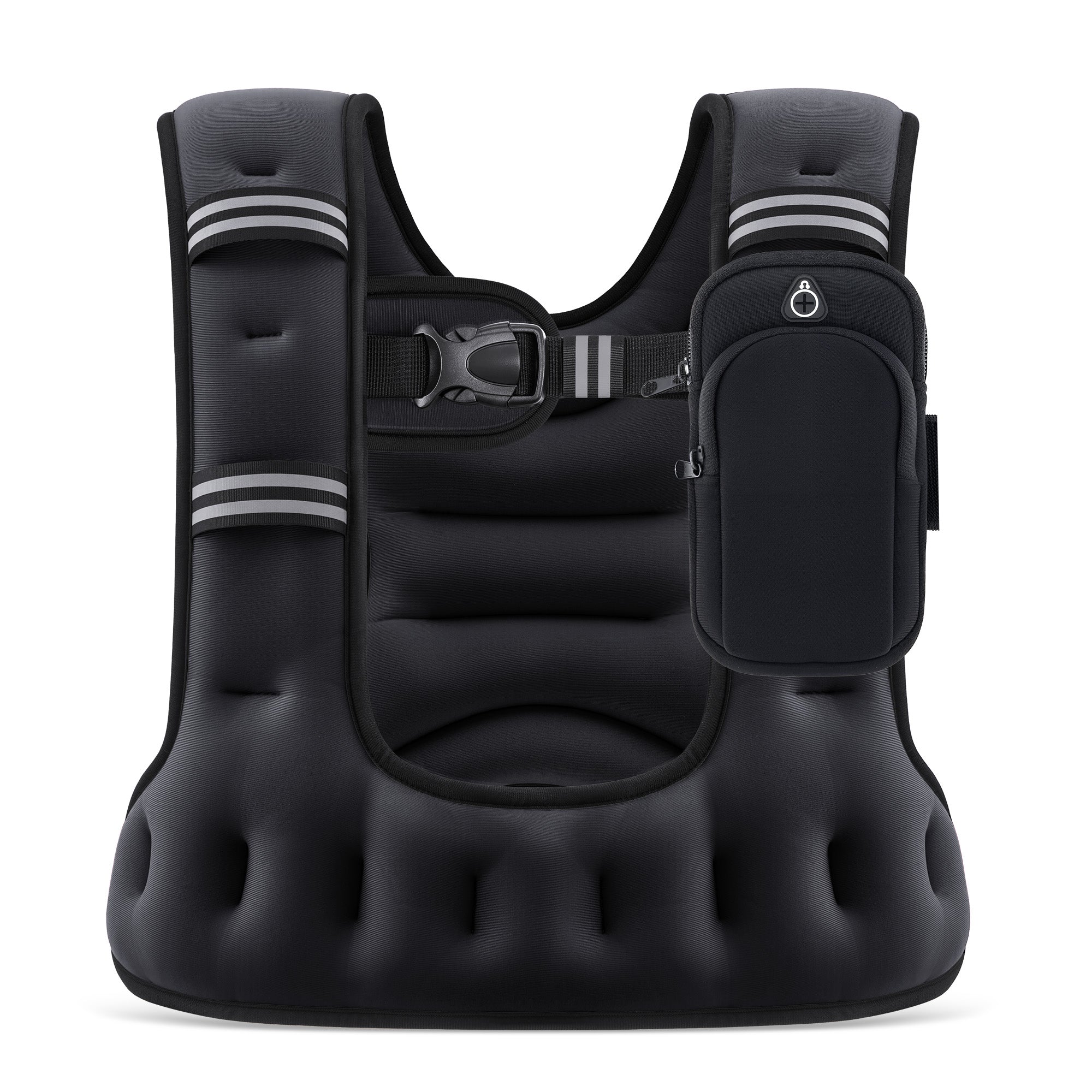
  1. Storage pockets: Convenient for holding a phone, keys, or cards during outdoor walks.
  2. Hydration bladder attachments or bottle holders: Useful for long rucking sessions.
  3. Reflective striping: Critical for safety during early morning or late-night road workouts.
  4. Breathable mesh paneling: Improves airflow to keep core body temperature lower during summer training.

Weighted Vest Weight

Selecting the right starting weight—and understanding your capacity for growth—prevents injury and ensures continuous progress.

Common Weighted Vest Ranges

  • 5 to 20 lb: Ideal for beginners, endurance runners, and casual walking.
  • 20 to 40 lb: The standard sweet spot for intermediate lifters, calisthenics, and conditioning.
  • 40+ lb: Advanced territory, primarily used for heavy strength training, tactical preparation, and short-duration conditioning.

Match Weight to Your Fitness Level

  • Beginners: Start lighter than you think you need (around 5–10% of your total body weight). Prioritize comfortable movement and proper form before adding substantial resistance.
  • Intermediates: Aim for approximately 10–15% of your body weight. Focus on progressive overload by gradually adding resistance as your joint stability and cardiovascular baseline improve.
  • Advanced Athletes: Utilize heavier adjustable options (20% or more of body weight) tailored specifically to low-rep strength work or specialized performance testing.

Unless you purchase a weighted vest strictly for a fixed task (like casual walking), an adjustable weighted vest is almost always the superior choice. Adjustable models feature individual pockets or plate sleeves, allowing you to add or remove weight in small increments. This versatility lets you:

  • Apply progressive overload safely over months of training.
  • Customize weight based on the exercise (e.g., heavier for squats, lighter for pull-ups or running).
  • Allow multiple people in the same household to use the same weighted vest.

Type of Weight Material

The filler material inside a weighted vest dictates its overall bulk, flexibility, and how comfortable it feels pressing against your ribs and chest. Different materials balance density and comfort in distinct ways, so choosing the right type ensures your weight vest stays comfortable throughout your workout routine.

Iron Sand vs. Silicone-Iron vs. Solid Iron Blocks: A Materials Guide

Iron or Steel Weights

Iron and steel weights (small cast iron bars, solid ingots, or laser-cut steel plates) are the most durable and space-efficient loading materials available. Because metal is extremely dense, these weights pack substantial resistance into a remarkably small footprint. 

This low-profile design allows the weighted vest to sit flush against your torso without feeling bulky or restricting your arm movement. Iron and steel weights are ideal for heavy strength training, tactical workouts, and high-intensity calisthenics, as they never degrade, leak, or shift out of shape under heavy loads.

For users who prioritize maximum load capacity, stability, and performance, Zelus Performance Series Weighted Vests are designed with durable iron weight inserts to deliver a professional-grade training experience. 

Sand-Filled Weights

Sand-filled weights consist of iron sand or high-density silica sand sealed inside small neoprene or heavy-duty fabric pouches. 

The primary advantage of sand is its pliability: the pouches shift slightly to conform naturally to the contours of your body, eliminating hard pressure points against your ribs or collarbones. They are also generally more affordable than solid metal alternatives. 

However, sand pouches tend to be bulkier for the same weight, and over extended periods of aggressive use or friction, poor-quality seams can potentially leak fine sand into the weighted vest pockets. Sand-filled options work best for walking, daily fitness, and entry-level conditioning where flexibility and comfort are top priorities.

For those looking for a comfortable and budget-friendly weighted vest, Zelus Classic Series Weighted Vests are an excellent choice. 

Silicone or Flexible Weight Technology

A leading example of this next-generation design is Zelus Z-Fit™ Technology, which combines silicone flexibility with silicone-iron infused weighting to create a more comfortable, body-hugging fit. 

The innovative unibody flexible construction conforms to your natural movements, helping reduce pressure points and provide a “second skin” feel during walking, running, hiking, yoga, and functional training. 

With 0-noise performance, the Z-Fit™ weight vest eliminates the shifting, clanking, and rattling sounds often associated with traditional weighted vests, allowing for a smoother and more discreet workout experience.

Compared with conventional weighted vests, Z-Fit™ weighted vest delivers a 50% less bulky design, maintaining effective resistance while offering a slimmer, more ergonomic profile. Y

The flexible silicone-iron cooling weighted vest also remains soft and pliable after being chilled in the refrigerator or freezer, making it ideal for hot-weather activities. Users can enjoy up to a refreshing cooling sensation during summer walks, hikes, or outdoor workouts without sacrificing comfort or flexibility.

Regular vs Cooling Weighted Vest: Key Cooling Benefits Explained

3 Best Zelus Cooling Weighted Vest for Summer: Stay Cool & Active with Z-Fit™

Weighted Vest Appearance and Design

While functionality dictates performance, design impacts how often you actually use the gear. It can be tempting to buy a weighted vest based on sleek aesthetics or military styling, but performance features must come first. 

A stylish weight vest that chafes your neck or bounces wildly during workouts will quickly end up sitting in a closet. Always verify fit, adjustability, and material quality before factoring in appearance.

That said, buying a weight vest you feel confident in encourages long-term consistency. Modern weight vests come in a wide range of designs, including:

  • Slim-profile, under-clothing weight vest: Designed for a discreet appearance, these low-profile weight vests can be worn comfortably under a jacket or loose clothing during outdoor walks, commuting, or everyday activities. They are ideal for users who want added resistance without a bulky look.
  • Tactical weighted vest: tactical styles often feature reinforced materials, adjustable straps, and modular attachment options. They are well suited for rucking, obstacle training, military-style workouts, and demanding outdoor activities. 
  • Minimalist weight vest: Featuring clean lines, these weight vests are optimized for gym workouts, running, HIIT, and functional fitness. Lightweight construction and ergonomic shaping help support unrestricted movement during dynamic exercises.

Set a Budget Before Buying

Setting a realistic budget before shopping helps you narrow down options while ensuring you don't overspend on heavy-duty features you might not actually need. 

Weighted vests span a wide price spectrum, generally from $30 to upwards of $250, and understanding what each price point delivers makes it far easier to match your financial commitment to your training demands.

Entry-Level Weighted Vests

Best beginner weighted vests typically range from $30 to $60 and cater mainly to beginners or casual users. Weighted vests in this category often feature pre-loaded sand weights or basic nylon pockets with fixed loads, along with simple strap closures.

Mid-Range Weighted Vests

Mid-range weighted vests, priced between $60 and $130, represent the sweet spot for most home gym enthusiasts and regular exercisers. In this tier, you will find durable nylon blends, reinforced stitching, and flexible weight-pocket systems that use removable sand pouches or cast iron blocks. 

Premium Weighted Vests

Premium weighted vests range from $130 to $250 or more and are built for competitive athletes, high-impact running, and intense functional fitness training. These top-tier models utilize military-grade materials like 1000D Cordura, laser-cut steel plates, quick-release buckles, and stretch-compression waistbands that minimize bounce entirely. 

Front-Loaded vs. Back-Loaded Weight Distribution

Where the weight sits on your torso influences your posture, balance, and muscle engagement. Front-loaded weight places resistance directly across your chest and anterior core, which forces your abdominal muscles to work harder to keep you upright. While this can feel compact and easily accessible, carrying too much weight exclusively on the front can pull your shoulders forward if your back strength is lacking.

Back-loaded weight shifts the center of gravity to your upper back, closely mimicking the feeling of a hiking backpack or rucksack. Many people prefer back-loaded weighted vests for rucking because the position feels natural for upright locomotion. For well-rounded fitness, however, most athletes perform best with a balanced, 50/50 front-to-back distribution that keeps your center of gravity neutral and protects your natural joint alignment during complex movements.

Benefits of a Weighted Vest

A weighted vest is a versatile fitness tool that adds external resistance to your body during movement, increasing the challenge of everyday activities and workouts. Whether you are walking, running, strength training, hiking, or performing functional exercises, a weighted vest can help improve fitness results by making your body work harder.

Calorie Burn and Weight Loss

One of the biggest benefits of wearing a weighted vest is increased energy expenditure. By adding extra resistance, your muscles must work harder with every step, which can raise your heart rate and increase calorie burn compared with exercising without additional weight.

Activities like walking, hiking, and stair climbing become more challenging, helping users create a higher-intensity workout without dramatically increasing exercise time. A weighted vest for weight loss can be a practical way to add intensity to daily movement.

Muscle Strength and Endurance

A weighted vest adds progressive resistance to bodyweight exercises, helping stimulate muscle adaptation. Movements such as squats, lunges, push-ups, pull-ups, and step-ups become more demanding, encouraging greater muscle engagement.

Unlike traditional gym equipment, a weighted vest allows you to train with resistance while maintaining natural movement patterns. It is especially useful for improving lower-body strength, core stability, and muscular endurance.

Bone Density and Bone Health

Weight-bearing exercise places controlled stress on bones, which can encourage the body to maintain and strengthen bone tissue. Wearing a weighted vest for bone density during walking or resistance exercises increases the load placed on your skeleton, making your workouts more impactful.

For adults interested in maintaining bone strength as they age, low-impact weighted vest activities such as walking can be an effective addition to a balanced fitness routine.

Best Weighted Vest for Seniors: Buying Guide & Top Picks

Always consult your healthcare provider before beginning weighted vest exercises, especially if you have existing bone, joint, or medical conditions, and follow professional medical advice. 

Better Posture

Wearing a properly fitted weighted vest can help encourage better posture by adding controlled resistance that engages the upper back, core, and stabilizing muscles. The additional load challenges your body to maintain proper alignment and encourages stronger postural awareness during activities such as walking, hiking, and functional training.

Over time, consistent training with appropriate weight can help improve core stability, balance, and body control. To maximize benefits and reduce strain, choose a weighted vest for posture that fits securely, distributes weight evenly, and use a load appropriate for your fitness level.

Cardiovascular Fitness

Adding weight makes your heart and lungs work harder during movement. A simple walk with a weighted vest can become a more challenging cardiovascular workout, improving stamina and endurance over time.

Weighted vest training can be especially beneficial for people who want a higher-intensity workout without increasing speed or impact. For example, a brisk walk with a weight vest may provide a greater challenge while remaining easier on joints than running.

Weighted Vest FAQ

Is it good for you to wear a weighted vest?

Wearing a weighted vest can be great for fitness, strength, and endurance. Weighted vests increase resistance during exercises like walking, running, push-ups, and squats, helping you burn more calories, build muscle, and improve bone health and posture.

Can you wear a weighted vest if you have scoliosis?

If you have scoliosis, you can wear a weighted vest, but caution is essential. Start with a light, adjustable weighted vest, focus on proper form, and increase weight gradually under professional guidance. When used safely, weighted vests can help strengthen core muscles and improve posture without straining the spine.

Should I use a weighted vest if I have osteoporosis?

If you have osteoporosis, using a weighted vest can be beneficial, but it must be done carefully. Light-to-moderate weight vests can help strengthen bones, improve posture, and increase muscle support, which may reduce fracture risk over time. 

Are weighted vests good for autism?

Weighted vests can be helpful for individuals with autism, particularly those who benefit from deep pressure stimulation. The gentle, consistent weight provides a calming, grounding effect, which can help reduce anxiety, improve focus, and support sensory regulation during daily activities or learning.

What are the different types of weighted vests?

Weighted vests come in different types to match various training needs. Z Series vests are lightweight and flexible, ideal for running, walking, and dynamic workouts.

The Classic Series offers a traditional design with evenly distributed weight, suitable for strength training and general fitness.

The Performance Series features modular, heavier loading with removable plates or bricks, making it perfect for progressive resistance, rucking, and high-intensity training.

What are the safety considerations when using a weighted vest?

Key safety considerations for using a weighted vest start with choosing an appropriate starting weight, typically 5–10% of your body weight, to allow your muscles, joints, and spine to adapt gradually. Always listen to your body: stop immediately if you experience pain, dizziness, numbness, or discomfort.

What are the different features of weight vests?

Weighted vests feature adjustable weights (removable plates or sandbags) to match your fitness level, along with durable materials like nylon or neoprene for long-term use. Designs range from lightweight, low-profile styles for running to heavier, full-torso vests for strength training. Many also include reflective strips, quick-release buckles, and secure weight pockets, making them comfortable, safe, and versatile.

How to properly wear a weighted vest?

To properly wear a weighted vest, choose one that fits snugly yet comfortably with adjustable straps to ensure even weight distribution across your shoulders, chest, and back.

Start with a lighter load—typically 5–10% of your body weight—and maintain good posture by keeping your chest up, shoulders back, and core engaged throughout your activity.

Begin with low-impact exercises like walking or light jogging before gradually progressing to more intense movements such as running, squats, or rucking.

If you have pre-existing conditions such as scoliosis, osteoporosis, or joint issues, it’s important to consult a healthcare professional before using a weighted vest.