Vibration Plate Makes You Feel Itchy? 5 Perfectly Normal Reasons
If you feel itchy after using a vibration plate, do not panic; it's a fairly common experience, and it is usually harmless, especially for first-time users.
In most cases, itchiness after using a vibration plate is a short-term, harmless response to the increased blood circulation, nerve stimulation, and muscle activation caused by the quick vibrations of the plate. Most people adapt quickly, and the sensation fades with consistent use.
However, if the itchiness is extremely painful or accompanied by other symptoms, it is highly advised to consult your healthcare provider.
Does a Vibration Plate Cause Itching?
Yes, a vibration plate can cause itching in some people, and it is usually a normal temporary response.
The rapid vibrations increase blood circulation, lymph flow, and nerve stimulation, which can activate skin nerve endings and create a tingling or itchy sensation, especially in the legs or areas with less muscle coverage.
In some cases, this reaction is also linked to a mild histamine release, which can make the skin feel slightly itchy or “crawly” after a session. Dry skin, dehydration, or high-intensity settings can make the sensation more noticeable.
Most of the time, it fades shortly after you stop using the machine and is not harmful, but if the itching is severe, persistent, or accompanied by redness or rash, it may indicate skin sensitivity or overuse.
Why Does Vibration Plate Cause Itching?
If you can figure out the exact reason the vibration plate is causing your skin to itch, you might be able to minimize the itchiness with a few tips and ensure a more comfortable experience.
So, let's explore 5 common reasons why a vibration plate would cause itchiness, when to be concerned, and what you can do about it.

1. Increased Blood Flow (Vasodilation)
The most common reason why a vibration plate would cause your body to itch is increased blood flow, known in medical terms as vasodilation.
When you stand or exercise on a vibration plate, your muscles contract rapidly, which stimulates circulation and increases blood flow to the skin and muscle tissue. As blood vessels expand, nerve endings in the skin are stimulated, which can create a tingling or itchy sensation.
Is it normal?
Vibration plate causing vasodilation, and skin itching is very normal. This is the most common reason people get itchy after using a vibration plate. Just keep using the plate, and it will fade with time.
You can also go for a vibration with adjustable levels of intensity. Starting at low intensity can help your body adjust. You can also begin with these six simple vibration plate exercises to ease yourself into the workout.
2. Nerve Stimulation
The mechanical vibrations of the vibration plate can stimulate sensory nerves near the surface of the skin. If you’re not used to it, this will feel itchy, tingly, or like “pins and needles.”
Think of it like when your leg “wakes up” after falling asleep.
This, too, is perfectly normal, especially if you are using your vibration plate for whole body vibration. It's a sign your nervous system is responding to unfamiliar stimulation.
3. Dry Skin or Sensitive Skin
Sometimes, the itchiness of the vibration plate happens because your skin is dry or extra sensitive.
The vibration increases friction between your clothes and skin, and if your skin is already dry or sensitive, this can trigger itchiness, especially on the legs, thighs, or stomach.
Is Vibration plate itchiness, as a result of sensitive skin, normal?
Yes, it is normal, but also perfectly avoidable. Perhaps your skincare needs a little improvement, especially around the time of day when you habitually use the plate.
Consider moisturizing before stepping on the vibration plate if this is a persistent problem.

4. Histamine Release
If you experience some itchiness and/or redness after using your vibration plate, it may be your body responding to the increased blood flow or physical stimulation.
Some people’s bodies respond to physical stimulation like vibrations by releasing histamines, which are chemicals involved in immune responses. This can mimic a mild allergic reaction and cause itchiness, redness, or even mild hives.
Is This Normal?
Vibration plate itchiness as a result of histamine release is relatively normal for sensitive individuals. It should not be dangerous unless you have a known histamine intolerance or allergy.
5. Lactic Acid Buildup or Micro-Muscle Contractions
As your muscles contract rapidly during vibration training, they may produce small amounts of lactic acid. This can irritate nerve endings and feel itchy or “crawly,” especially if you're new to this type of movement.
This is quite normal, particularly for beginners or those new to vibration training.
How Long Does Itching Last After Vibration Plate?
Itching after using a vibration plate usually lasts a few minutes to a couple of hours, and in most cases it fades completely the same day.
For some people—especially beginners or those using higher intensity settings—it can linger a bit longer, but it should still gradually settle as circulation returns to normal and the nervous system calms down.
If the itching lasts more than 24 hours, keeps coming back strongly after each session, or is accompanied by redness, rash, or swelling, it may suggest skin sensitivity, irritation, or an allergic reaction rather than a normal vibration response, and you may need to reduce intensity or stop using it temporarily.
Is Itching After Vibration Plates Good?
Itching after using a vibration plate is usually a normal reaction caused by increased blood flow, nerve stimulation, or mild histamine release in the skin, and it typically feels like temporary tingling or mild irritation that fades soon after the session; it is not a sign of extra fat burning or “detox,” but rather how your body responds to vibration, and while mild itching is generally harmless, you should be cautious if it becomes intense, persistent, or is accompanied by redness, rash, or swelling, as that may indicate skin sensitivity or an allergic reaction.
How to Stop Itching From the Vibration Plate Naturally?
If you experience itching after using a vibration plate, the treatment is usually simple and focuses on calming the skin and reducing overstimulation. Most cases are mild and temporary, so home care is often enough.
- Start slow – Shorter sessions (1–3 minutes) at low intensity can help your body adjust.
- Wear tight-fitting, smooth workout clothes to reduce skin friction.
- Moisturize skin beforehand if you’re prone to dryness.
- Stay hydrated, as dehydration can amplify skin and nerve sensitivity.
- Warm up with light movement before jumping on the plate to improve circulation gradually.
You might want to consult this guide for tips on how to use a vibration plate.

When Vibration Plate Itchiness Might Be a Problem
Though normal in most cases, there are specific instances where feeling itchy after using a vibration plate is an indication of an underlying health problem.
- The itch is accompanied by a rash, swelling, or hives.
- You experience dizziness, chest tightness, or shortness of breath.
- The itching persists long after your session ends.
- The sensation is painful, burning, or involves numbness.
In these cases, it's wise to stop using the vibration plate and speak with a healthcare provider. There may be an underlying issue such as poor circulation, neuropathy, histamine sensitivity, or a skin condition.
Avoid Itching and Other Discomforts with A Full Body Vibration Plate
A practical way to ensure you never run into discomfort with a vibration plate is to go for one that has several vibration speed levels.
Most problems on a vibration plate can be mitigated by lowering the speed and intensity of the vibrations. If vibration speeds are limited on your machine, you might be stuck with a problem.
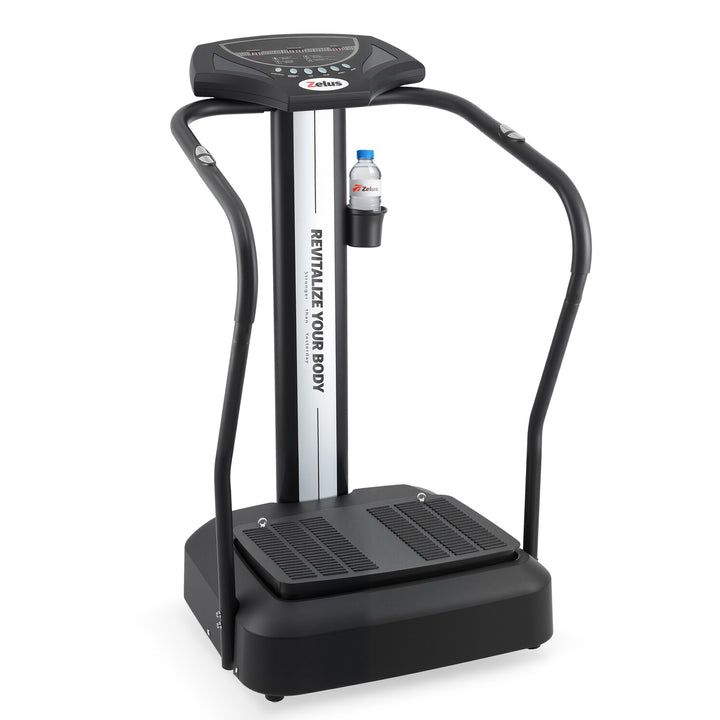
The Zelus 500W Exercise Plate is ideal for both beginners and fitness enthusiasts, with 3 preset modes and 99 speed levels for a customized workout. A powerful 500W motor delivers controlled vibrations to engage muscles and stimulate circulation.
- Made of premium steel, supports up to 330 lbs.
- Includes resistance bands for full-body muscle toning.
- Built-in audio enhances your workout experience.
- Features quality caster wheels for easy movement and space-saving storage.
Should You Continue Using the Plate?
| Scenario | Recommendation |
| Itchiness is mild and fades after a few minutes | ✅ Continue using; your body will likely adapt over time |
| Itchiness is linked to dry or sensitive skin | ✅ Try using lotion, wear smoother clothing, and keep hydrated |
| You get an allergic-type reaction or burning sensations | ⚠️ Stop use and consult a doctor |
| Itching gets worse with each session or doesn’t improve | ⚠️ Pause use and reassess with a professional |
Final Thoughts
If you’re feeling itchy while using a vibration plate, you’re not alone—and you’re probably not in danger. However, if anything about the reaction feels off, especially if it’s intense, painful, or comes with other symptoms, it’s smart to check in with a healthcare provider.
Explore the 9 best vibration benefits as expressed by users.
FAQ
Why do my legs itch after a vibration plate?
Your legs may itch after using a vibration plate because the vibrations strongly stimulate blood flow, lymph circulation, and nerve endings in the skin and muscles. This increased circulation can trigger a mild histamine release, which often feels like tingling or itching, especially in the lower legs where blood and fluid shift more noticeably. It can also happen if your skin is slightly dry, sensitive, or not used to this type of mechanical stimulation.
Why am I itchy after lymphatic drainage?
Itching after lymphatic drainage massage is usually a normal reaction caused by increased lymph flow, which helps move waste and fluid through the body and can trigger mild histamine release, nerve stimulation, or temporary skin dryness that feels itchy; it typically fades within a few hours to a day, but if the itching is severe, persistent, or comes with rash, redness, or swelling, it could indicate a sensitivity or allergic reaction that may need attention.
What is 10 minutes on a vibration plate equivalent to?
10 minutes on a vibration plate is often estimated to feel roughly equivalent to about 2,000–3,000 steps at a moderate walking pace in terms of muscle activation and light energy expenditure.
While you’re not actually “walking,” the rapid vibrations cause your muscles to contract and relax many times per second, which can simulate some of the neuromuscular activity you’d get from walking.
What are the side effects of vibration plates?
Vibration plates are generally safe when used properly, but possible side effects include tingling, itching, dizziness, muscle soreness, fatigue, or mild joint discomfort due to increased circulation and nerve stimulation, especially when first starting or using high intensity settings.
In rare cases, they may worsen conditions like vertigo, joint injuries, herniated discs, or other musculoskeletal issues, and they are usually not recommended for people who are pregnant, have serious cardiovascular conditions, severe osteoporosis, recent surgery, or implanted devices such as pacemakers, so moderation and correct usage are important to avoid unwanted effects.
Can you lose belly fat on a vibration plate?
A vibration plate can support weight loss when combined with diet control, cardio exercise, and strength training, but it won’t “target” or directly reduce belly fat on its own. Fat loss happens across the whole body based on genetics, hormones, and overall energy balance, not localized vibration.
How many calories does a vibration plate burn in 30 minutes?
A 30-minute session on a vibration plate typically burns about 50–150 calories for most people, depending on body weight, vibration intensity, and whether you’re just standing or doing active exercises (like squats or planks) on the machine.
Are vibration plates better than walking?
Vibration plates work by causing rapid muscle contractions to improve muscle activation, balance, and circulation. They may slightly increase calorie burn and can help as a supplement to workouts, especially for beginners or people with mobility issues, but they don’t provide the same cardiovascular benefits as walking.
What is the best speed on a vibration plate for weight loss?
For most people, moderate settings (around 10–20 Hz) are generally the most practical for supporting weight loss because they allow longer, more sustainable sessions while still stimulating muscle activation and increasing calorie burn.
High speed (20–30 Hz) does create stronger muscle contractions and can be useful for strength and toning effects, but it’s often harder to maintain for long periods and may cause more fatigue or discomfort, especially for beginners. Because of this, it’s usually better suited for short, intense sets rather than full sessions.
Do vibration plates reduce cellulite?
Vibration plates may help reduce the appearance of cellulite, but they do not eliminate it.
Before You Go…
Here are a few handpicked articles to inspire your next self-care moment.