Murph WOD with a 20 lb vs 45 lb Weighted Vest: Time, Form & Recovery Data
For many CrossFit athletes, completing Murph Rx with a 20-pound weighted vest is already a significant achievement. Yet every year, some experienced athletes choose to raise the stakes by wearing a 45-pound weighted vest, turning an already grueling Hero WOD into an extreme endurance challenge.
Scaling up to 45 lbs isn't just a minor step up—it's a massive, unofficial scaling penalty that drastically shifts the metabolic demand, places extreme stress on your joints, and significantly changes recovery times. Here is how standard load compares to heavy load across time, form, and recovery.
What Is the Murph WOD?
The Murph WOD is one of the most iconic Hero Workouts in CrossFit, created to honor U.S. Navy Lieutenant Michael P. Murphy, who was killed in action during Operation Red Wings in Afghanistan in 2005. Originally known as Body Armor, it was Murphy's favorite workout and was later renamed in his memory. Today, tens of thousands of athletes around the world complete Murph each Memorial Day as a tribute to his sacrifice and the service of fallen military members.
The workout follows a straightforward but physically demanding format: a 1-mile run, 100 pull-ups, 200 push-ups, 300 air squats, and another 1-mile run. To perform Murph according to the official standard, participants wear a 20-pound weighted vest or body armor for men or a 14-pound weighted vest for women throughout the entire workout, adding an extra level of difficulty to every movement.
Although the workout can be completed exactly as written, many athletes choose to partition the bodyweight exercises into smaller, more manageable sets. One of the most popular approaches is the classic Cindy format, which consists of 20 rounds of 5 pull-ups, 10 push-ups, and 15 air squats before finishing the final run. This strategy helps maintain a steady pace, reduces muscle fatigue, and allows for more consistent performance throughout the workout.
Completion times vary based on experience, fitness level, and whether the workout is performed with a weighted vest. Most experienced CrossFit athletes aim to finish Murph in 45 to 60 minutes, while first-time participants may take longer. Regardless of your finishing time, Murph is ultimately about perseverance, honoring Lieutenant Murphy's legacy, and pushing yourself both physically and mentally.
20 lb vs 45 lb Weighted Vest Weight for Murph: Comparison Table
|
Category |
20 lb Vest (Rx) |
45 lb Vest |
|
Official Standard |
Yes |
No |
|
Intended Purpose |
Murph Rx |
Heavy Murph / Tactical Training |
|
Added Load |
Standard |
+125% heavier |
|
Typical Time Range |
46–57 minutes |
65–90+ minutes |
|
Recovery Time |
2–4 days |
5–10+ days |
|
Running Efficiency |
Moderate reduction |
Significant reduction |
|
Pull-up Difficulty |
High |
Extremely High |
|
Push-up Fatigue |
Moderate |
Severe |
|
Squat Stress |
High |
Very High |
|
Joint Impact |
Moderate |
Extremely High |
|
Recovery Time |
2–4 days |
5–10+ days |
|
Recommended For |
Most experienced CrossFit athletes |
Elite athletes only |
20 lb vs 45 lb Murph: Time Comparison

The 20 lb Rx Standard
The 20 lb weighted vest is the official Rx standard for Murph and is designed to simulate the weight of military body armor while still allowing athletes to perform high-volume bodyweight movements with proper technique. For most experienced CrossFit athletes, wearing a 20-pound vest adds approximately 8 to 12 minutes to an unweighted Murph completion time. While the additional load makes every run, pull-up, push-up, and air squat more demanding, it provides a controlled increase in resistance without significantly disrupting movement mechanics. When paired with good pacing and proper training, the 20 lb vest offers a challenging yet manageable test of strength, endurance, and mental resilience.
The 45 lb "Heavy Murph"

A 45 lb weighted vest transforms Murph into an unofficial "Heavy Murph," an extreme variation intended only for elite athletes or individuals preparing for tactical and military events such as GORUCK challenges. Instead of simply making the workout harder, the additional 25 pounds dramatically changes how your body performs every movement. Completion times can increase by 25 to 45 minutes or more, as athletes often need frequent rest breaks to recover from the heightened cardiovascular and muscular demands. The heavier load also places continuous downward force on the spine, hips, knees, and ankles throughout the 2-mile run and 300 air squats, significantly increasing joint stress, muscular fatigue, and the likelihood of technique breakdown. Because of these demands, a 45 lb Murph should only be attempted after extensive preparation and experience with both weighted training and the standard Rx workout.
|
Workout Variant |
Typical Time Range |
|
Unweighted Murph |
38–45 minutes |
|
20 lb Murph |
46–57 minutes |
|
45 lb Heavy Murph |
65–90+ minutes |
20 lb vs 45 lb Murph: How Extra Weight Affects Movement Quality

Adding weight to your Murph workout doesn't just make it feel harder—it changes how your body moves. While the official 20 lb Rx vest is designed to preserve proper movement mechanics, jumping to a 45 lb vest significantly alters your running gait, upper-body endurance, and squat technique. As fatigue accumulates, maintaining good form becomes increasingly challenging, which can reduce performance and increase the risk of injury.
Running
Every additional pound increases the force transmitted through your knees, hips, ankles, and lower back with every step. During Murph's two 1-mile runs, a 45-pound vest places substantially more stress on your joints than the standard Rx load. As a result, your running cadence naturally slows, ground impact becomes greater, and your stride length shortens to compensate for the extra weight. Your heart rate also climbs more quickly, making it harder to maintain a consistent pace. For many athletes, the final mile becomes the toughest portion of the workout as fatigue from the bodyweight movements combines with the increased cardiovascular demand.
Pull-Ups
Adding 45 pounds means every pull-up requires significantly more pulling strength and grip endurance. Athletes often notice their forearms and hands fatiguing much earlier than they would with a 20-pound vest, forcing them to break their pull-ups into smaller sets. Rest periods between rounds typically become longer, and even experienced athletes who normally complete large unbroken sets may find themselves switching to single repetitions much sooner than expected. Maintaining efficient movement becomes increasingly difficult as grip strength declines.
Push-Ups
A heavier weighted vest places constant pressure against your chest and shoulders throughout every push-up. The additional load increases the demand on the chest, shoulders, triceps, and core, causing muscular fatigue to build much faster than with the standard Rx vest. As exhaustion sets in, athletes often require more frequent rest breaks, and maintaining proper chest-to-floor depth becomes increasingly challenging. Without careful attention to technique, form can deteriorate significantly during the later stages of the workout.
Air Squats
Completing 300 air squats already places considerable stress on the lower body, even without added weight. Wearing a 45-pound vest increases the compressive forces through the knees, hips, and lower back with every repetition. As fatigue builds, athletes commonly experience a loss of squat depth, increased forward torso lean, slower squat speed, and greater lower back fatigue. These compensations can reduce movement efficiency and place additional strain on the joints, making proper technique much harder to maintain throughout the final rounds of the workout.
20 lb vs 45 lb Murph Recovery: The Biggest Difference
The most significant difference between completing Murph with a 20-pound vest and a 45-pound vest isn't necessarily your finish time—it's how long your body takes to recover afterward. While both versions are physically demanding, the heavier vest creates substantially more muscle damage, joint stress, and overall fatigue. Understanding the recovery demands of each option can help you plan your training and reduce the risk of overtraining or injury.
Recovery After a 20 lb Murph
Most well-trained athletes recover from a standard 20 lb Rx Murph within 48 to 96 hours. It's normal to experience muscle soreness in the legs, chest, shoulders, and back, along with temporary fatigue during the first couple of days. However, with proper hydration, balanced nutrition, quality sleep, and light recovery activities such as walking or mobility work, most athletes can gradually return to their regular training routine later in the week. Although challenging, the official Rx load is designed to provide a demanding workout without causing excessive recovery times for athletes who are adequately prepared.
Recovery After a 45 lb Murph
Completing a 45 lb Heavy Murph places significantly greater stress on the muscles, joints, and nervous system. Recovery often includes severe delayed onset muscle soreness (DOMS), noticeable lower back fatigue, joint stiffness, and a temporary decline in athletic performance that can last several days. Because of the substantially higher training load, some athletes may require a week or more before they are fully recovered and ready for heavy lifting or high-volume conditioning workouts. To minimize the risk of overuse injuries and prolonged fatigue, athletes should prioritize rest, hydration, protein intake, mobility work, and allow additional recovery time before resuming intense training.
20 lb vs 45 lb Murph: Injury Risk
The official 20-pound Murph standard is already an intense physical challenge, but it is designed to be a sustainable load for well-prepared athletes who have trained specifically for high-volume endurance movements. The weight closely mimics the demands of carrying military body armor while still allowing athletes to maintain reasonable movement quality throughout the runs, pull-ups, push-ups, and air squats.
A 45-pound weighted vest, however, creates a much greater level of stress on the body. The additional load increases the likelihood of common overuse issues such as knee irritation, hip discomfort, shoulder strain, and lower back fatigue. As muscles become exhausted throughout the workout, maintaining proper technique also becomes more difficult, increasing the chance of movement compensations that can place extra stress on joints and connective tissues.
The heavier vest also creates significantly greater metabolic demands, causing heart rate to rise faster and fatigue to accumulate more quickly. This makes proper pacing, hydration, and recovery strategies even more important. Athletes who attempt a Heavy Murph without adequate preparation may find that the added weight compromises their form long before the workout is complete.
For these reasons, a 45-pound Heavy Murph should not be viewed as a simple progression from the standard Rx workout. It is a specialized challenge intended for experienced athletes who have already built a strong foundation with the official 20-pound version and have gradually developed the strength, endurance, and resilience required to handle the increased workload safely.
Best Weighted Vest for Murph

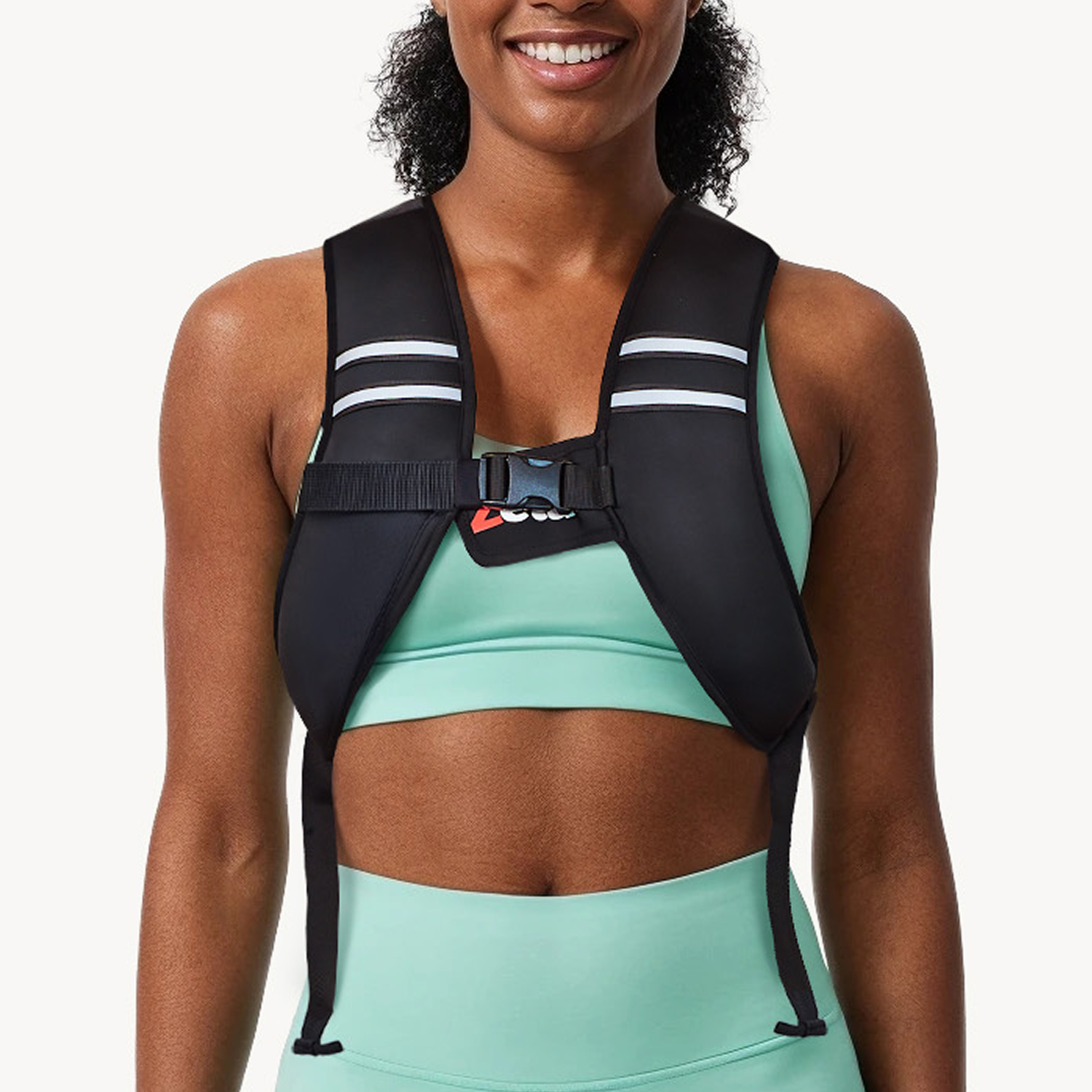
Designed for athletes who demand more from their training gear, the Performance Y-Shaped Adjustable Weighted Vest is built for intense workouts like Murph WOD, CrossFit, rucking, and strength training. Featuring a mission-grade modular plate-loading system, this vest allows you to customize your training load with adjustable weight options of 23 lb, 36 lb, and 45 lb, making it suitable for progressive training or advanced weighted challenges.
CrossFit Athletes: 23 lb, 36 lb, or 45 lb? Picking Your Competition Weight
|
Feature |
Details |
|
Product Series |
Performance |
|
Model |
Heavy Training |
|
Recommended Sports |
CrossFit · Rucking · Strength Training |
|
Weight Options |
23 lb / 36 lb / 45 lb |
|
Weight Type |
Adjustable |
|
Fill Material |
Solid Iron Block |
|
Build Material |
900D Oxford Fabric + Foam |
|
Shape |
Y-Shape |
|
Noise Level |
Low |
|
Color |
Black |
|
Reflective Strips |
Yes |
|
Cleaning |
Machine Wash |
|
Storage Pockets |
No |
When Should You Attempt Each Load?
- No Vest or 14 lb Vest: Recommended if your unweighted Murph time is longer than 55–60 minutes. Adding a heavy vest too early causes premature muscular breakdown before you can complete the work safely.
- 20 lb Weighted Vest (Rx Standard): Ideal if you can finish an unweighted Murph in under 41–50 minutes with good technique and clean rep standards.
- 45 lb Weighted Vest: Reserved strictly for elite, highly experienced CrossFit athletes seeking a specialized mental test, or tactical personnel explicitly conditioning for heavy rucking events.
What Happens When You Wear the Wrong Vest?
Choosing the wrong weighted vest can turn an already demanding Murph workout into an unnecessarily painful experience. While Murph is designed to test your endurance and mental toughness, a poorly designed vest creates distractions and discomfort that have nothing to do with your fitness. Instead of focusing on your pacing and movement, you'll spend the workout adjusting your gear and fighting unnecessary fatigue.
Excessive Bouncing and Movement
A vest that doesn't fit securely will bounce and shift with every stride during the two 1-mile runs. As the weight repeatedly slams against your chest and back, you'll waste energy trying to stabilize it, sometimes even holding the vest down with your hands while running. This constant movement not only reduces running efficiency but can also throw off your balance and increase fatigue over the course of the workout.
Neck and Shoulder Chafing
Thin, poorly padded shoulder straps concentrate the weight on a small area, creating pressure points around the neck and trapezius muscles. As sweat builds up and you continue through hundreds of repetitions, the straps can rub against your skin, leading to painful chafing, irritation, and soreness that may linger long after the workout is over.
Restricted Breathing
Some weighted vests use rigid waist straps or non-stretching cummerbunds that tighten around your rib cage. While this may seem secure at first, it becomes a problem as your breathing intensifies during Murph. A vest that doesn't expand with your chest can restrict your diaphragm, making it harder to take deep breaths and reducing your overall endurance. Choosing a vest with an adjustable, flexible fit allows your lungs to expand naturally while keeping the weight stable throughout the workout.
How to Choose the Right Weighted Vest for Murph (And Survive It)

1. Thick Shoulder Padding & Adjustable Fit
Thick shoulder pads distribute weight evenly across the traps rather than digging into the neck. Look for carriers with dual-buckle or multi-position shoulder straps to accommodate broader shoulders or larger frame sizes ("Clydesdale" division).
2. Elastic Stretch Cummerbund
Avoid rigid plastic clasps or non-flexible straps around the ribs. As blood flow increases and breathing heavy sets in, an elastic stretch band lets the vest expand with your chest while maintaining a snug fit.
3. Ergonomic Ergonomic Curved Plates
Flat steel plates leave air gaps around the chest and lower stomach. Modern 3D curved plates conform closer to the body's natural contours. Modern plates often include cut-out handles, making them easier to load, unload, or use standalone for rucking.
4. High-Chest Placement & Shorter Profile
A carrier that sits high (just below the collarbone) and remains around 2 inches shorter on the torso than standard military tactical gear leaves the diaphragm unobstructed. This allows full range of motion for deep squatting, pushing, and overhead pulling.
5. Breathable Inner Lining
If training in heat or without an undershirt, smooth, moisture-wicking mesh lining prevents skin abrasion during high-rep push-ups and air squats.
Pro-Tips for Murph Success
To get the most out of your training and gear setup, consider these additions:
- Chafing Prevention: Apply anti-chafing balm (like BodyGlide) around the collarbone, armpits, and upper back before donning the vest.
- Hand Care: With 100 pull-ups on the menu, high-volume friction can tear calluses quickly. Wear gym chalk or gymnastics grips under the vest setup.
- Hydration & Storage: A front chest pocket on your vest is useful for securing car keys or a quick-release energy gel pack between the bodyweight rounds and final 1-mile run.
- Train in the Gear First: Never wear a brand-new, unadjusted weighted vest for the first time on Memorial Day. Complete at least 2–3 shorter weighted workouts weeks prior to test strap tension and plate placement.
Final Thoughts
The official 20 lb Murph is already one of the most demanding benchmark workouts in CrossFit, offering an excellent test of endurance, strength, and mental resilience. For most athletes, it provides more than enough challenge while allowing good movement quality and manageable recovery.
A 45 lb Murph, however, is an unofficial "Heavy Murph" that dramatically increases joint stress, cardiovascular demand, and recovery time. Rather than being the next step after the Rx standard, it should be viewed as a specialized challenge for elite athletes or those training specifically for tactical and military events.
Choose the weight that matches your current fitness level, train progressively, and remember that finishing Murph safely with solid technique is a far greater accomplishment than simply carrying more weight.
Before You Go…
Here are a few handpicked articles to inspire your next self-care moment.


![How to Make an Ice Weighted Vest? [Turn to Sub-Zero]](http://zelusfitness.com/cdn/shop/articles/Frame_18.png?v=1784190178&width=2000)