![How to Make an Ice Weighted Vest? [Turn to Sub-Zero]](http://zelusfitness.com/cdn/shop/articles/Frame_18.png?v=1784190178&width=2000)
How to Make an Ice Weighted Vest? [Turn to Sub-Zero]
Summer is the ultimate test of mental and physical grit. Trying to get an outdoor workout, run, or rucking session when the temperature climbs past 30°C can quickly turn grueling. Your heart rate spikes, your sweat-wicking gear gets saturated, and the heat makes your standard weighted vest feel like a heavy, insulating blanket wrapped around your chest.
But what if you could use that heavy vest to actually keep you cool? By safely chilling your weighted vest before heading out, you can transform it into a cooling weighted vest. However, before you toss your gear into the freezer, there's a right way and a wrong way to do this. Let’s break down exactly how to make your own ice weighted vest safely and effectively.
What We Learned Surveying 1,000+ Weighted Vest Users

In fact, heat discomfort is the single biggest barrier to summer training—a reality backed by hard data. In a comprehensive consumer survey we conducted between January 15 and February 1, 2026, we gathered insights from 1,069 verified weighted vest users across a professional online sample database.
The data highlights a massive demand for summer-friendly gear:
- The Breathability Priority: An overwhelming 47% to 55% of users rated breathability (Breathable Fabrics) as their absolute top priority (Top 1 Importance).
- The Value of Cool Tech: When it comes to beating the heat, users are willing to put their money where their sweat is. 32% to 43% of respondents ranked cooling-touch fabrics as a critical necessity, with this feature yielding the highest premium value—users are willing to pay a 50% or higher price premium just to have advanced cooling-touch fabric integrated into their vests.
But you don’t have to wait for your next upgrade to cool down. By safely pre-chilling your vest, you can instantly transform it into a cooling workout companion.
What Is an Ice Weighted Vest?

An ice weighted vest is a weighted vest that has been chilled in a refrigerator or freezer before use to provide a cooling sensation during exercise or outdoor activities. Unlike cooling vests that contain ice packs, frozen gel inserts, or phase-change materials (PCM), an ice weighted vest relies on the vest's own materials to retain cold for a limited time. Once chilled, it can help make walking, rucking, hiking, or strength training feel more comfortable in hot weather while still providing the resistance benefits of a traditional weighted vest.
Regular vs Cooling Weighted Vest: Key Cooling Benefits Explained
It's important to understand that an ice weighted vest is not a vest filled with ice cubes or frozen packs. Adding loose ice or homemade ice packs to a standard weighted vest can create uneven weight distribution, increase moisture, and potentially damage the vest.
Instead, if your vest is designed to tolerate cold storage, the recommended approach is to chill the entire vest according to the manufacturer's instructions. For example, some silicone-weighted vests can be refrigerated for about 60 minutes or placed in the freezer for up to 45 minutes before being worn over a T-shirt or moisture-wicking base layer.
Can You Put a Weighted Vest in the Fridge or Freezer?

Yes, but only if the manufacturer says your weighted vest is suitable for cold storage. Some modern weighted vests made with flexible silicone-iron or other cold-tolerant materials can be safely chilled to provide a cooling sensation during hot-weather workouts.
Iron Sand vs. Silicone-Iron vs. Solid Iron Blocks: Which Weighted Vest Is Better?
However, not every weighted vest is designed for refrigeration or freezing. Vests filled with materials that absorb moisture, contain removable electronics, or use adhesives that may become brittle at low temperatures should never be placed in a refrigerator or freezer unless the manufacturer specifically approves it.
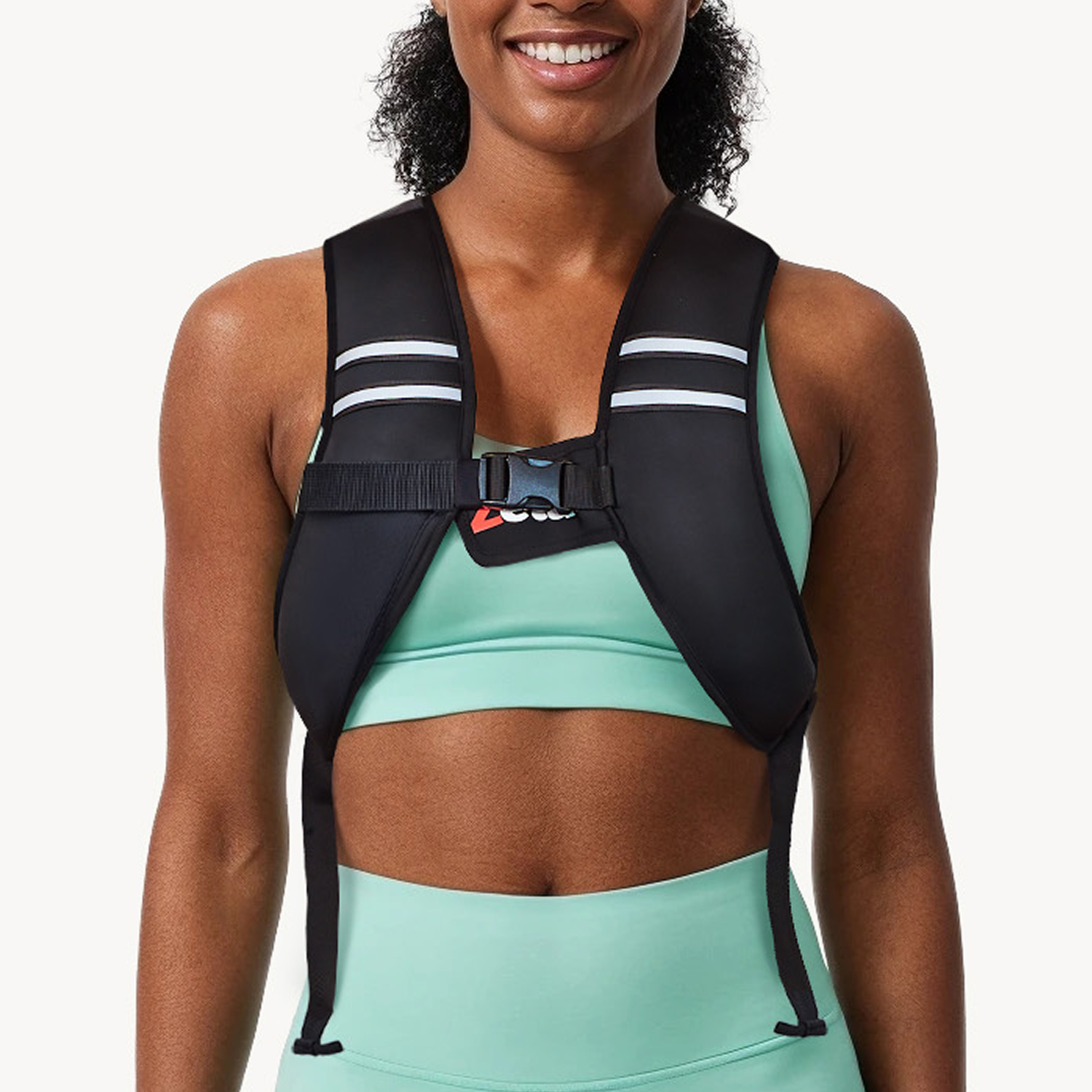
The Zelus Z-Fit™ is the only weighted vest on the market specifically designed to be safely chilled in the fridge or freezer. Thanks to its innovative silicone-iron weights, the vest remains incredibly soft, flexible, and form-fitting even when frozen—never stiffening into a block or leaking condensation like traditional gear.
3 Best Zelus Cooling Weighted Vest for Summer
How to Make an Ice Weighted Vest in 3 Easy Steps

To get the perfect chill without damaging your gear, follow Zelus official three-step method:
1.Clean & Dry
Start with a completely dry vest. If you just finished a sweaty workout, wipe the vest down thoroughly with a damp cloth and let it air dry completely before chilling. Placing a damp vest in the freezer will cause frost buildup, which can damage the seams and cause hygiene issues.
2.Bag It
Slide the clean, dry vest into its sealed, airtight storage bag (like the Zelus storage bag). This is a non-negotiable step. The sealed bag keeps your vest separated from food particles and prevents the fabric from absorbing unwanted "fridge odors."
3.Chill
Place the bagged vest flat in your refrigerator or freezer.
- In the Refrigerator: Chill for 60 minutes.
-
In the Freezer: Freeze for no longer than 45 minutes.
Once the time is up, retrieve your vest and wear it immediately.
Fridge vs. Freezer: Which Cooling Method Is Better?
Depending on your workout intensity and the outside temperature, you'll want to choose the right cooling tier. Here is how they compare:
|
Feature |
Refrigerator (60 Mins) |
Freezer (45 Mins Max) |
|
Cooling Intensity |
Gentle, refreshing chill |
Strong, deep cold |
|
Preparation Time |
60 minutes |
45 minutes (Strict limit) |
|
Over-Chilling Risk |
Extremely low |
Higher (Must monitor time) |
|
Best For |
Everyday use, light walks, outdoor chores |
High-intensity workouts, very hot days |
How to Wear an Ice Weighted Vest Safely

Because frozen weights hold onto cold so efficiently, you must treat your chilled vest with the same respect you would a clinical ice pack.
5 Rules for Wearing a Summer Weighted Vest in the Heat
- Always Wear It Over Clothing: Never place a chilled or frozen weighted vest directly against bare skin. Always wear it over a T-shirt, tank top, or a moisture-wicking base layer to protect your skin from cold injuries (ice burn).
- Limit Freezer Exposure: Do not leave your vest in the freezer for hours or overnight. Stick strictly to the 45-minute maximum limit. Over-freezing can make the vest too stiff to wear comfortably and may eventually degrade the materials.
- Stop Using If It Feels Uncomfortably Cold: If you experience shivering, skin pain, or numbness, remove the vest immediately. Let it sit at room temperature for a few minutes to warm up slightly before putting it back on.
Who Should Avoid Cold-Wear?
While a chilled weighted vest is a fantastic comfort aid for most, certain individuals should skip the cold-wear method.
Please consult your healthcare provider before wearing a chilled or frozen vest if you have:
- Raynaud's syndrome or extreme cold sensitivity
- Cold urticaria (hives triggered by cold temperatures)
- Cardiovascular (heart) conditions or poor circulation
If you have any of these conditions, you can still safely enjoy the benefits of your weighted vest by wearing it unchilled.
6 Reasons Your Weighted Vest Might Be Hurting Your Body
Mistakes to Avoid When Making an Ice Weighted Vest

Avoid these common mistakes to extend the lifespan of your vest and stay safe:
- Putting a Wet Vest in the Freezer: Moisture expands when frozen, which can tear the stitching of your vest and cause mildew smells.
- Wearing It on Bare Skin: Direct contact with chilled weights can cause rapid vasoconstriction or localized skin irritation. Always layer up!
- Leaving It in the Freezer for Hours: Extended freezing does not make the cooling effect last longer; it only makes the vest uncomfortably stiff.
- Placing It Next to Food Unprotected: Keep your kitchen hygienic. Always use a sealed bag to keep raw food juices and vest sweat completely isolated.
- Claiming It Prevents Heat Illness: A chilled weighted vest is designed strictly for personal comfort during exercise. It is not a medical device, nor is it a treatment or preventative measure for heat stroke or heat exhaustion. Always stay hydrated and seek shade if you feel dizzy or overheated.
Final Thoughts
Turning your weighted vest into an ice weighted vest is the ultimate summer workout hack. By sticking to the simple three-step, you can safely beat the heat while keeping your training on track. Just remember to respect the official cooling methods, always wear a shirt underneath, and let the chilled weights do the rest!
FAQs
Is it hygienic to put my weighted vest in the refrigerator?
Yes, but only if you use a sealed storage bag. Keeping the vest zipped inside a dedicated, clean bag prevents any contact with food while ensuring the fabric stays dry and odor-free.
Can a weighted vest become too cold?
Absolutely. If left in the freezer past the 45-minute mark, the weights can hold an excessive amount of cold. This is why we enforce the freezer cap and require wearing a shirt underneath the vest.
Can I wear an ice weighted vest directly on my skin?
No. To prevent cold injury or skin irritation, always wear a shirt or base layer underneath the vest.
Can I leave my weighted vest in the freezer overnight?
No. We strongly advise against overnight freezing. Limit freezer time to a maximum of 45 minutes to protect the integrity of the vest's materials and ensure a safe wear temperature.
Does chilling improve workout performance?
While a chilled vest makes training in hot weather much more comfortable and tolerable, it is designed for sensory comfort and does not carry medical performance or health claims.
Can every weighted vest be chilled?
No. Many traditional vests filled with sand or non-sealed metal plates will rust or develop mold if exposed to condensation. Only chill vests made of water-resistant, high-quality materials (such as silicone-wrapped weights) that are explicitly cleared by the manufacturer for cold storage.
Before You Go…
Here are a few handpicked articles to inspire your next self-care moment.