










You've viewed 12 of 12 results
Choosing the right weighted vest is key to maximizing your workouts safely and effectively. With options varying in weight, fit, design, and adjustability, selecting a vest that matches your fitness goals, body type, and activity level can make all the difference.
Choosing the right size weighted vest depends on your body weight, fitness goals, and activity type. A safe guideline is to start with a weighted vest that adds 2–5% of your body weight for beginners, 5–10% for intermediate users, and 10–15% or more for advanced strength training.
Proper fit is crucial: women, petite, or smaller-torso users should opt for contoured or smaller weighted vests, while men or larger-torso users need wider shoulder and chest panels to distribute weight evenly.
Read More: What Size Weighted Vest Should I Get
When selecting a weighted vest, it’s important to consider who will be using it, as different users often have different needs in terms of size, fit, and weight distribution.
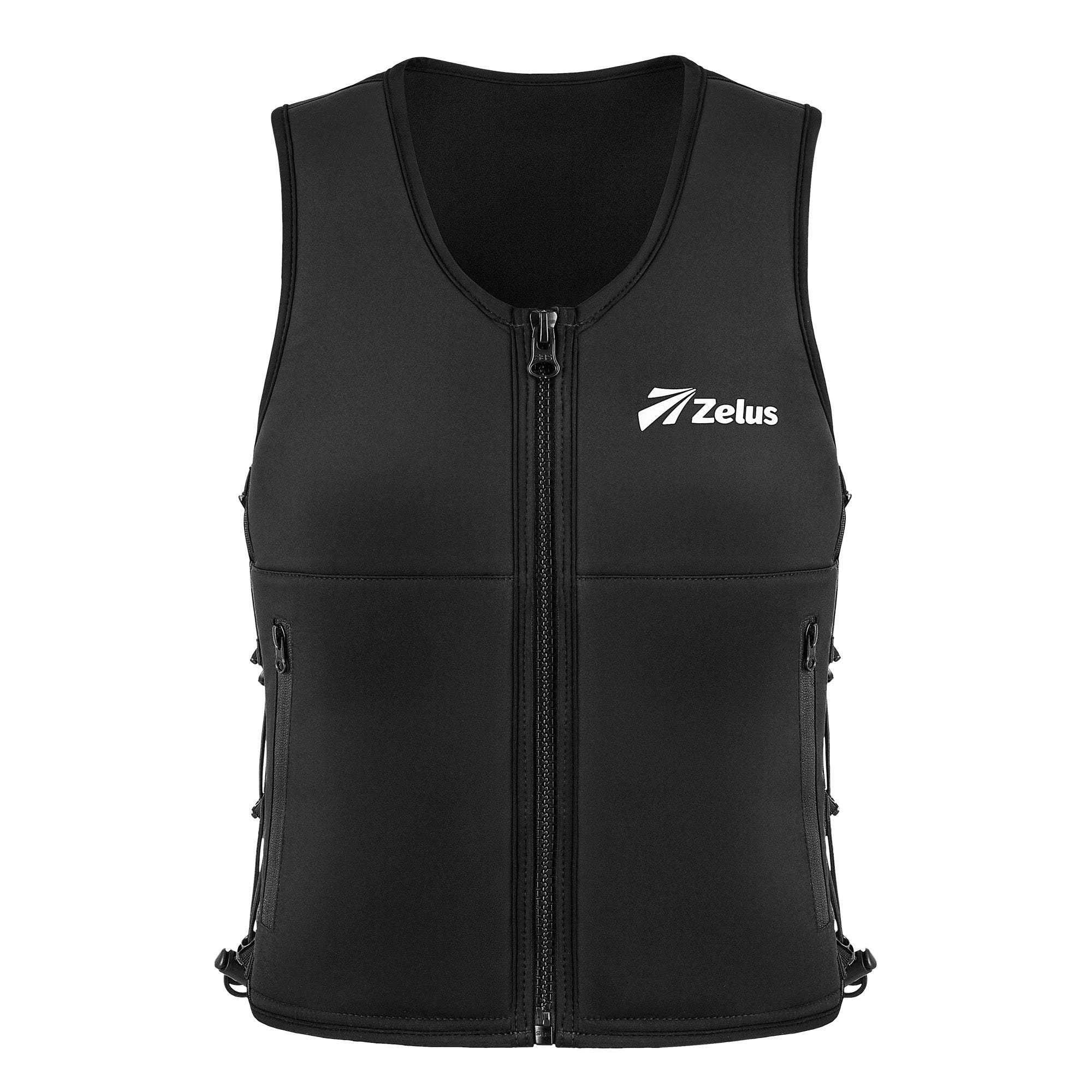
For example, a weighted vest for women typically features a more tailored fit to accommodate smaller torso lengths and narrower shoulders, ensuring comfort and stability during workouts. Ladies or female weighted vest, which are designed with women’s body shape in mind and often include adjustable sizing to prevent chafing or bouncing during movement.
On the other hand, men weighted vests may differ slightly in cut and weight capacity. A weighted vest for men usually offers a broader shoulder span and higher maximum weight to match the strength goals and body proportions of male athletes.
Weighted vests are versatile tools that can enhance a variety of training routines, from cardio to strength exercises, and even support health, rehabilitation, and weight management goals.
By adding extra resistance to your bodyweight movements or daily activities, they help improve strength, endurance, and overall fitness.
Benefits of a Weighted Vest
Running and Walking
For cardio and endurance training, weighted vests are particularly useful. Running, jogging, or brisk walking while wearing a weighted vest can increase the intensity of these activities, improving stamina, cardiovascular health, and calorie burn.
Exercises or Workouts
In strength and functional training, weighted vests add progressive resistance to bodyweight exercises, helping build muscle strength, power, and endurance. They are ideal for exercises like push-ups, squats, lunges, and pull-ups.
Health and Weight Management
Weighted vests help support bone density, improve posture, and aid fat loss. They are especially beneficial for individuals at risk of osteoporosis. By adding resistance to aerobic activities and daily movements, weighted vests boost calorie burn and engage the core, making them effective for both rehabilitation and overall fitness.
FAQ
FAQ
Is it good for you to wear a weighted vest?
Wearing a weighted vest can be great for fitness, strength, and endurance. Weighted vests increase resistance during exercises like walking, running, push-ups, and squats, helping you burn more calories, build muscle, and improve bone health and posture.
Can you wear a weighted vest if you have scoliosis?
If you have scoliosis, you can wear a weighted vest, but caution is essential. Start with a light, adjustable weighted vest, focus on proper form, and increase weight gradually under professional guidance. When used safely, weighted vests can help strengthen core muscles and improve posture without straining the spine.
Should I use a weighted vest if I have osteoporosis?
If you have osteoporosis, using a weighted vest can be beneficial, but it must be done carefully. Light-to-moderate weight vests can help strengthen bones, improve posture, and increase muscle support, which may reduce fracture risk over time.
Are weighted vests good for autism?
Weighted vests can be helpful for individuals with autism, particularly those who benefit from deep pressure stimulation. The gentle, consistent weight provides a calming, grounding effect, which can help reduce anxiety, improve focus, and support sensory regulation during daily activities or learning.
What are the different types of weighted vests?
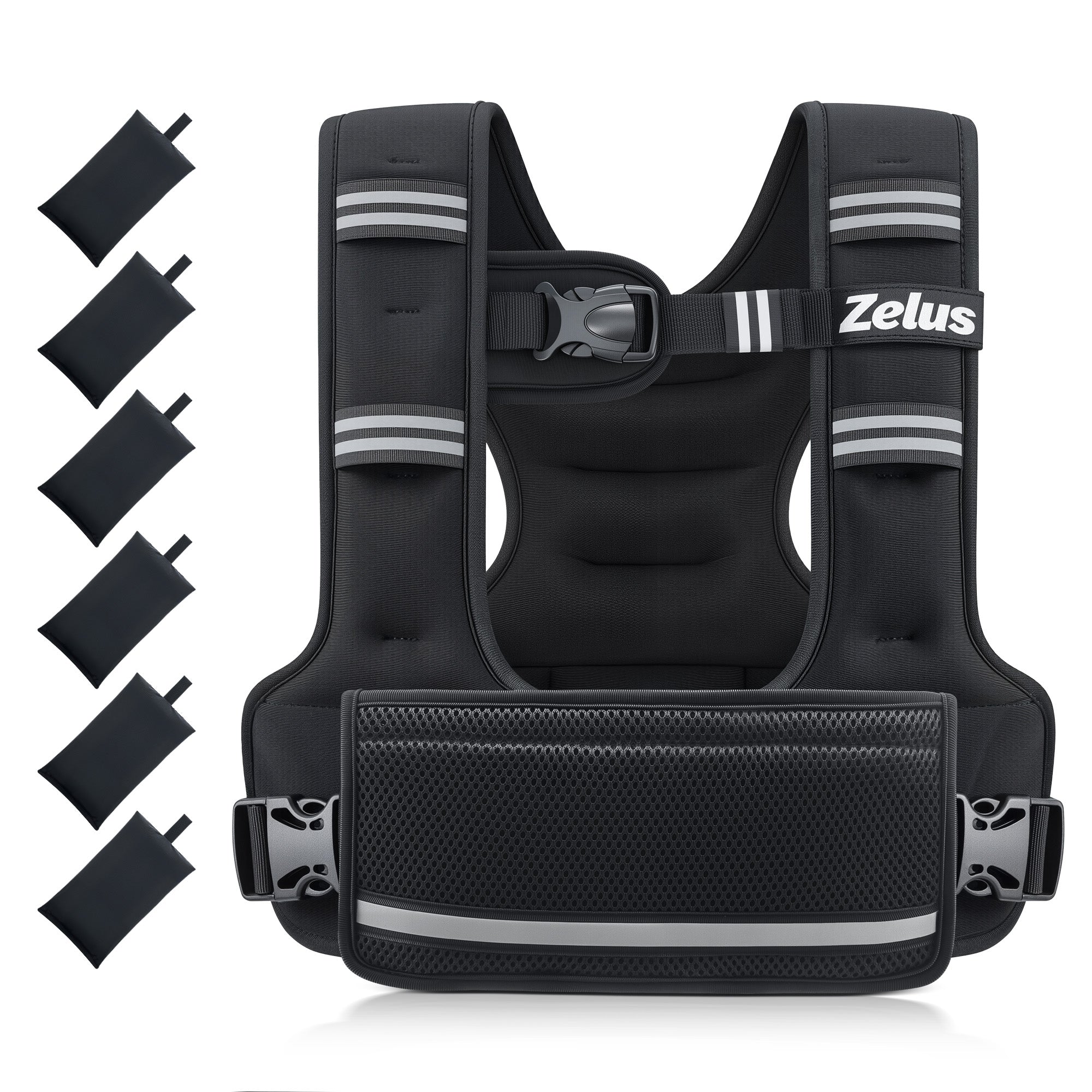
Weighted vests come in different types to match various training needs. Z Series vests are lightweight and flexible, ideal for running, walking, and dynamic workouts.
The Classic Series offers a traditional design with evenly distributed weight, suitable for strength training and general fitness.
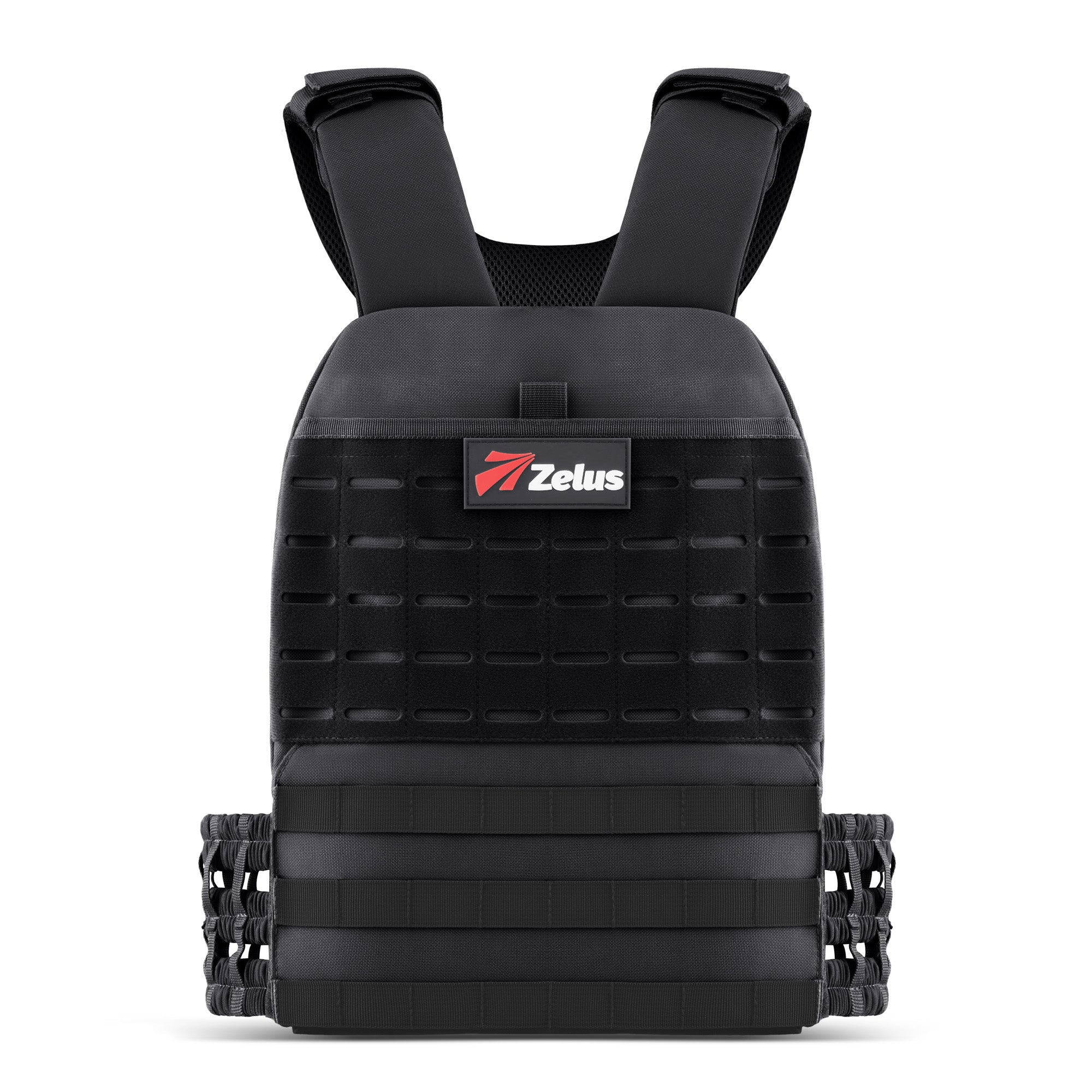
The Performance Series features modular, heavier loading with removable plates or bricks, making it perfect for progressive resistance, rucking, and high-intensity training.
What are the safety considerations when using a weighted vest?
Key safety considerations for using a weighted vest start with choosing an appropriate starting weight, typically 5–10% of your body weight, to allow your muscles, joints, and spine to adapt gradually. Always listen to your body: stop immediately if you experience pain, dizziness, numbness, or discomfort.
What are the different features of weight vests?
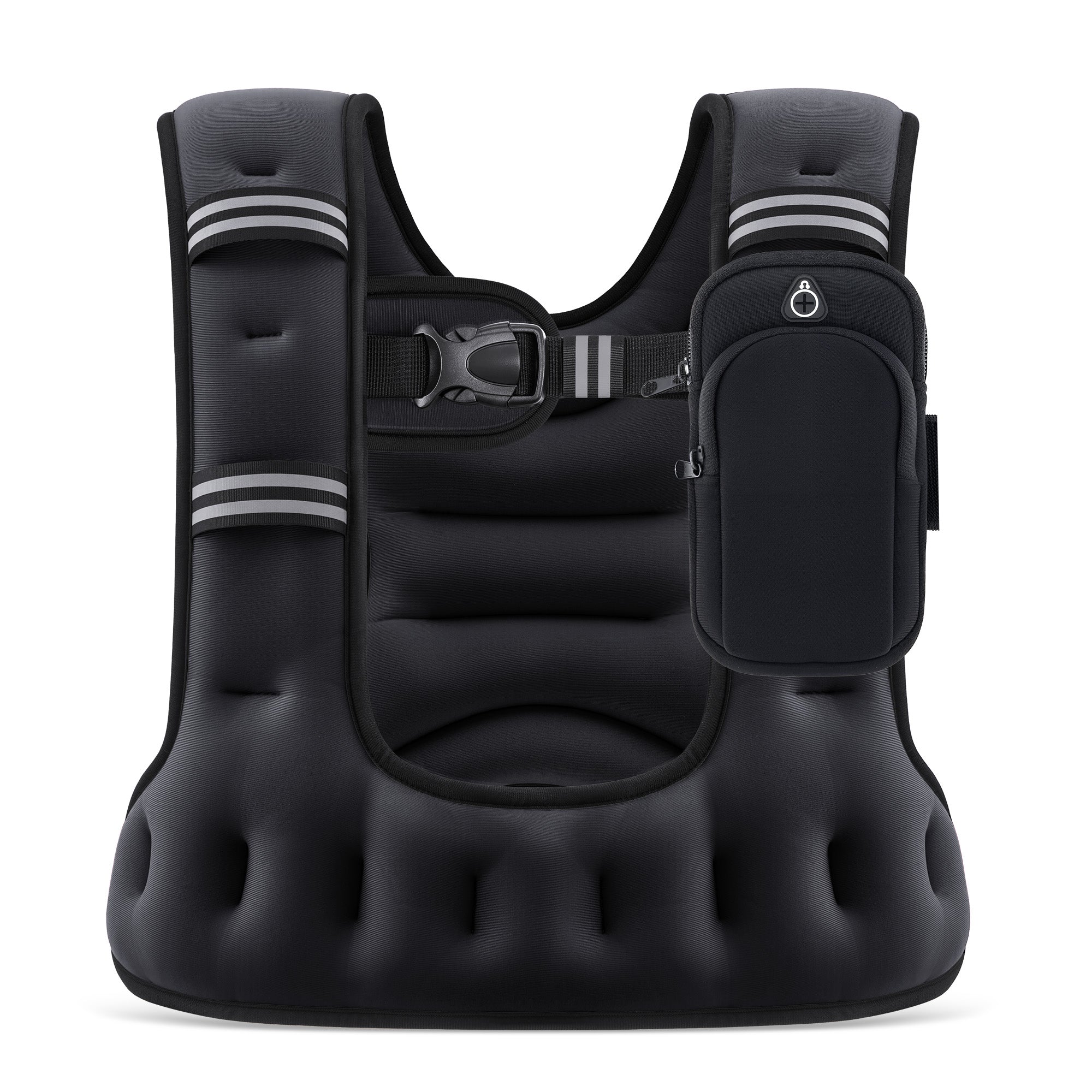
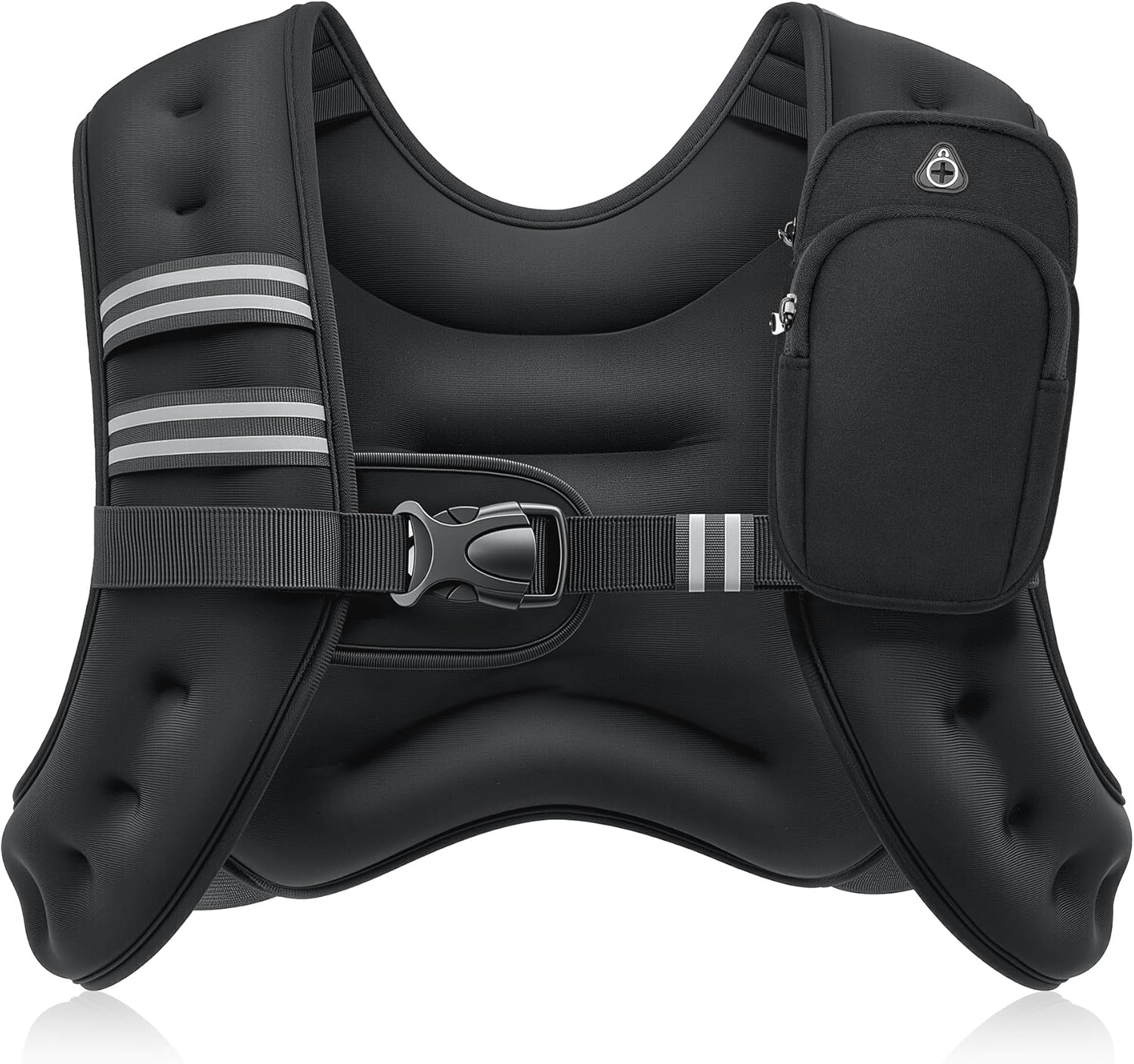
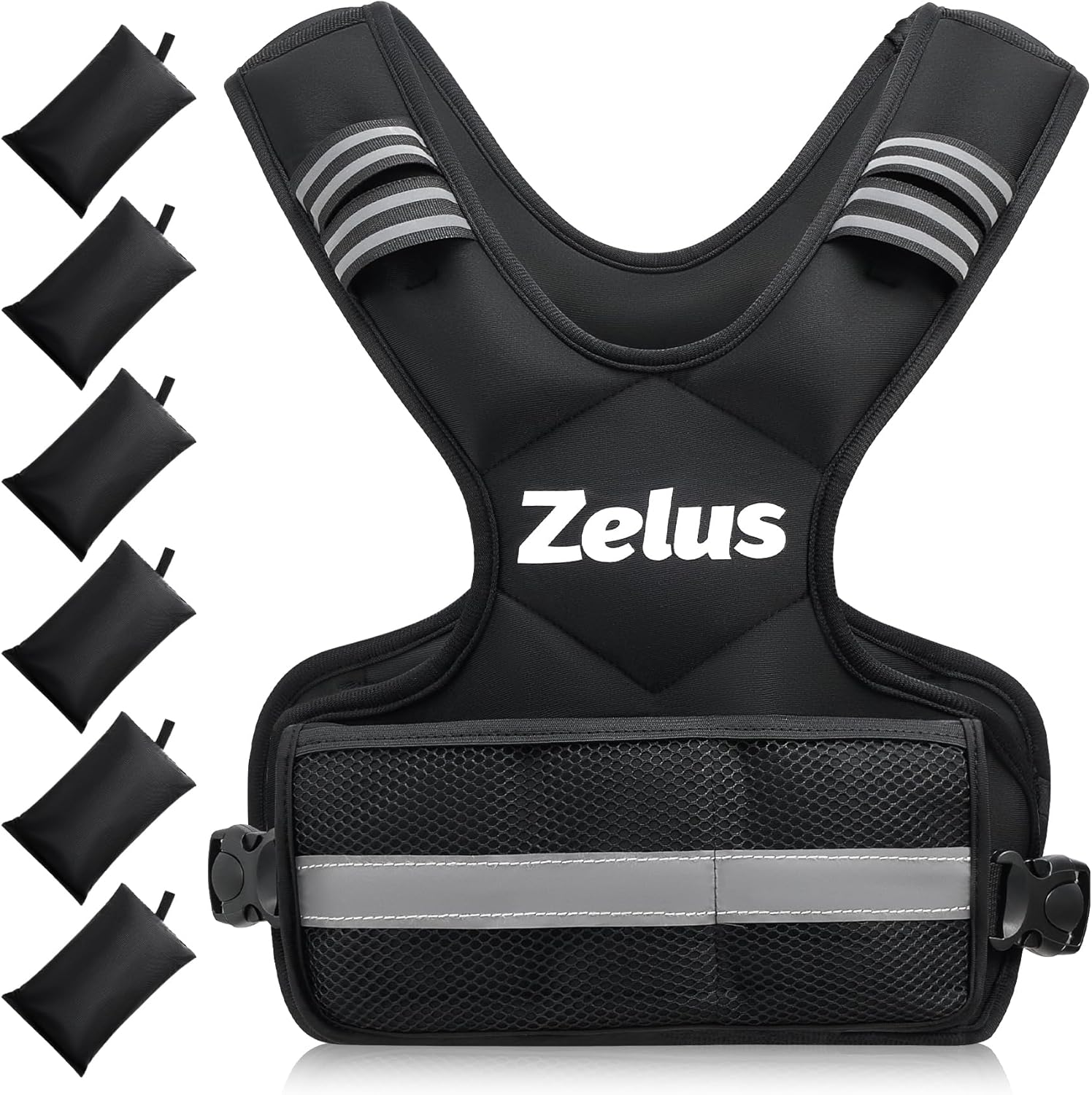
Weighted vests feature adjustable weights (removable plates or sandbags) to match your fitness level, along with durable materials like nylon or neoprene for long-term use. Designs range from lightweight, low-profile styles for running to heavier, full-torso vests for strength training. Many also include reflective strips, quick-release buckles, and secure weight pockets, making them comfortable, safe, and versatile.
How to properly wear a weighted vest?
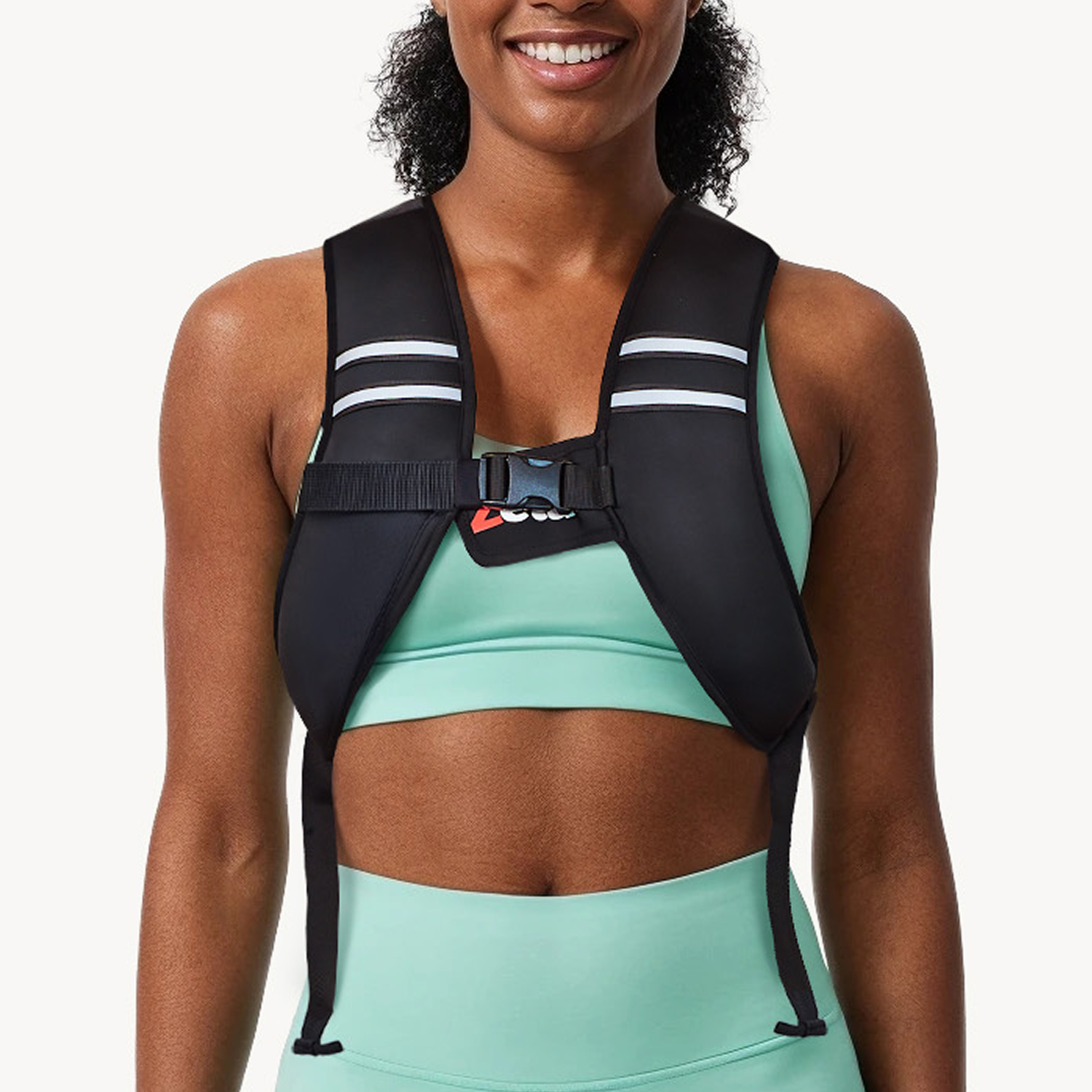
To properly wear a weighted vest, choose one that fits snugly yet comfortably with adjustable straps to ensure even weight distribution across your shoulders, chest, and back.
Start with a lighter load—typically 5–10% of your body weight—and maintain good posture by keeping your chest up, shoulders back, and core engaged throughout your activity.
Begin with low-impact exercises like walking or light jogging before gradually progressing to more intense movements such as running, squats, or rucking.
If you have pre-existing conditions such as scoliosis, osteoporosis, or joint issues, it’s important to consult a healthcare professional before using a weighted vest.